Pillar · 01
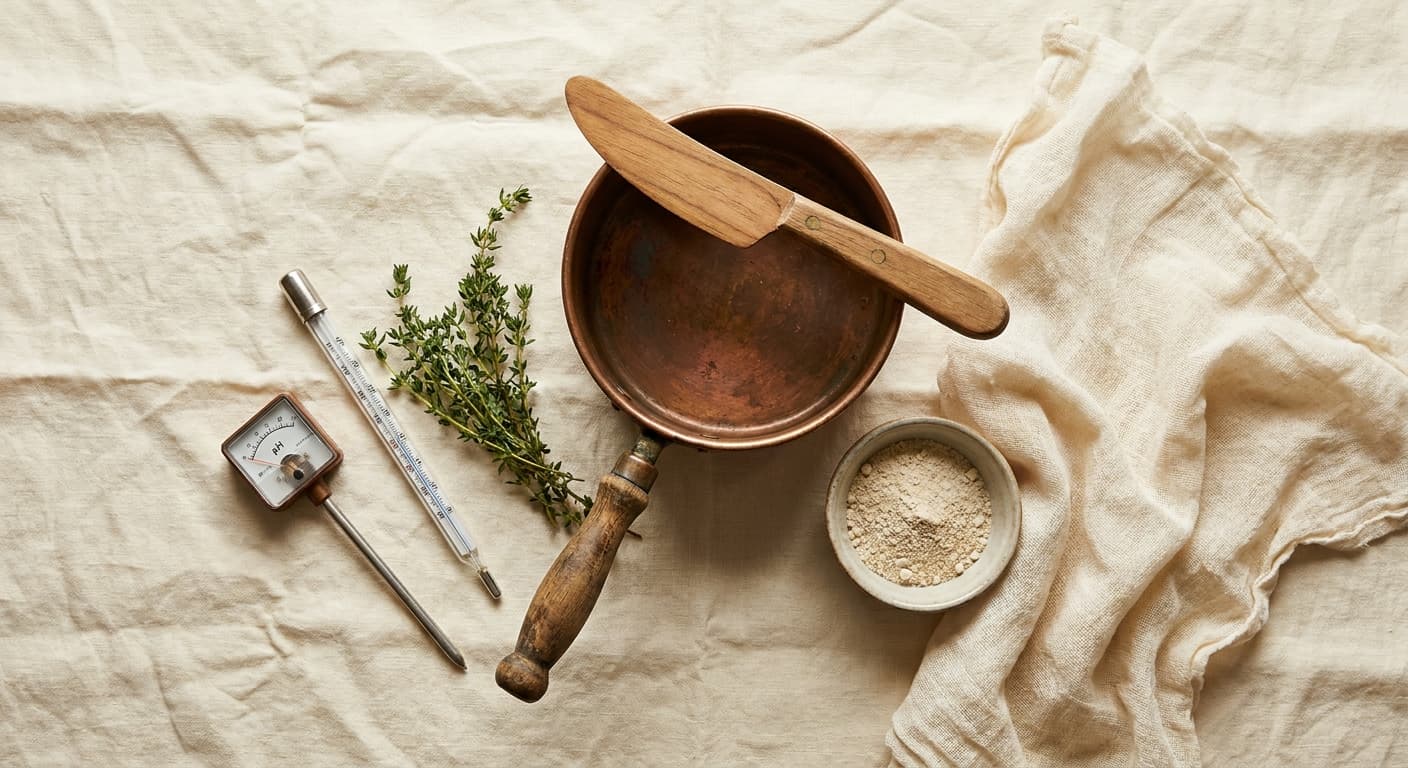
Cheese Science
Deep, working explanations of the chemistry, microbiology, and physics that turn milk into cheese — written for cheesemakers, not textbook readers.
Read the Science pillar →Five pillar topics, each with a working-cheesemaker overview and a cluster of deep-dive articles. Start anywhere; every page links onward to the next thing worth reading.
Deep, working explanations of the chemistry, microbiology, and physics that turn milk into cheese — written for cheesemakers, not textbook readers.
Read the Science pillar →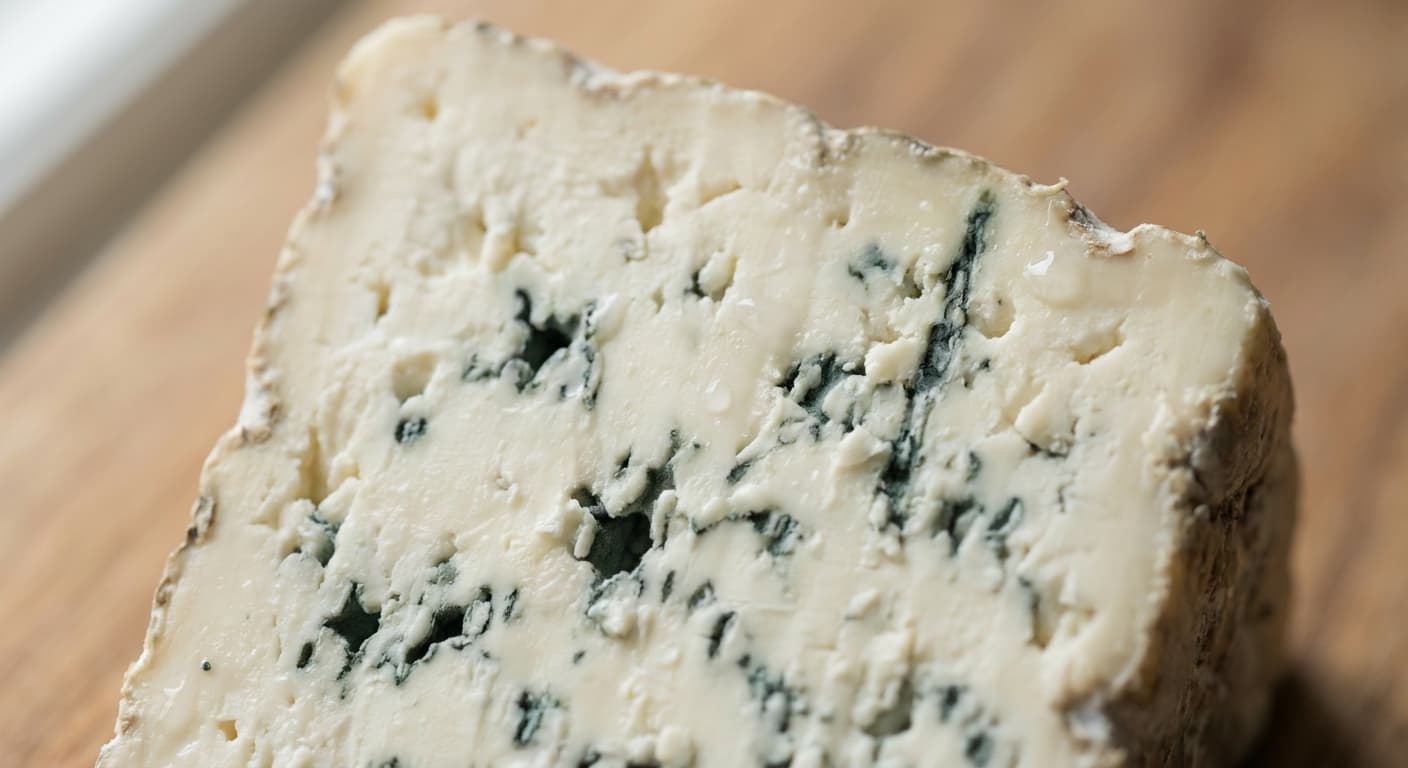
Cheesemaking is a biology problem before it is a chemistry one. This pillar covers lactation, dairy genetics, lactic acid bacteria, bacteriophages, and the modern biotechnology quietly reshaping every commercial vat.
Read the Biology pillar →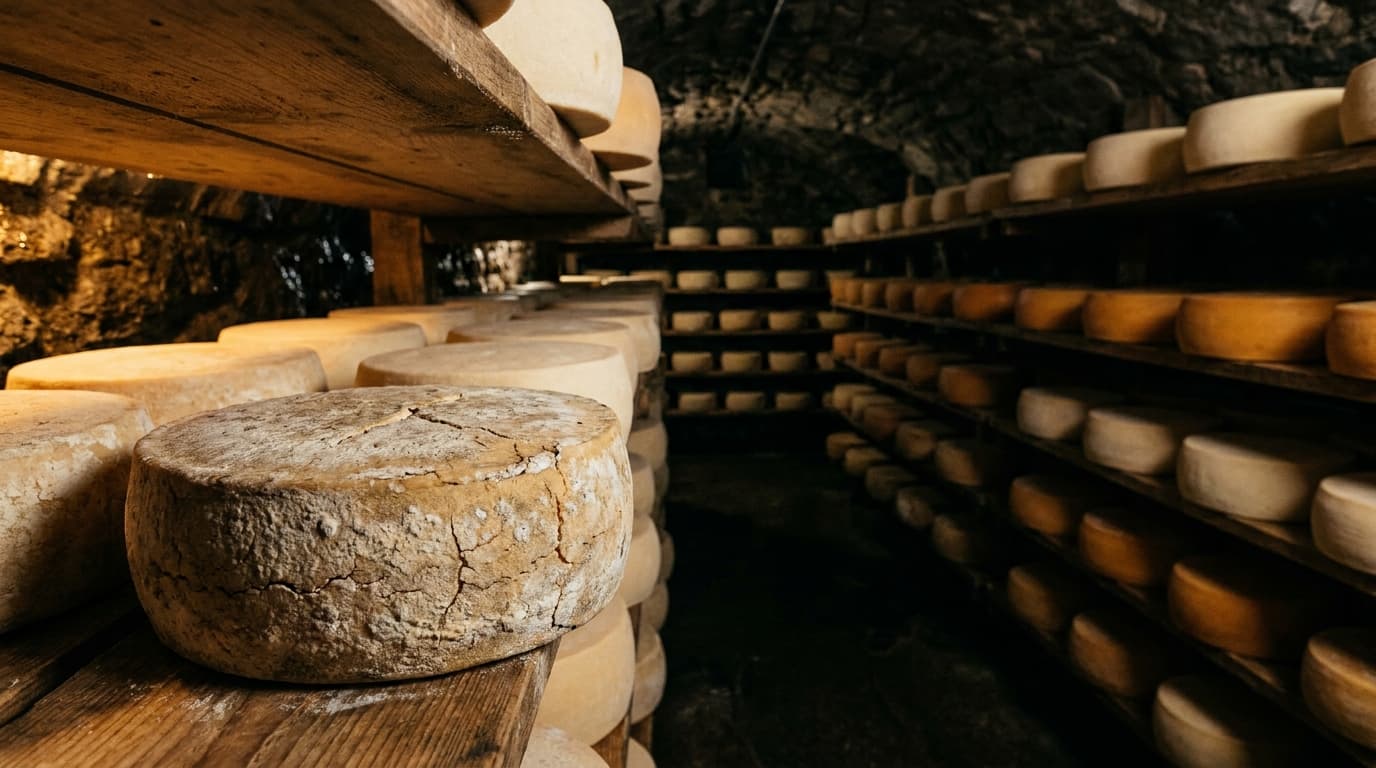
Hard, soft, washed-rind, blue, stretched-curd — the major families of cheese explained from a maker's perspective, with the defining techniques and microbiology of each.
Read the Styles pillar →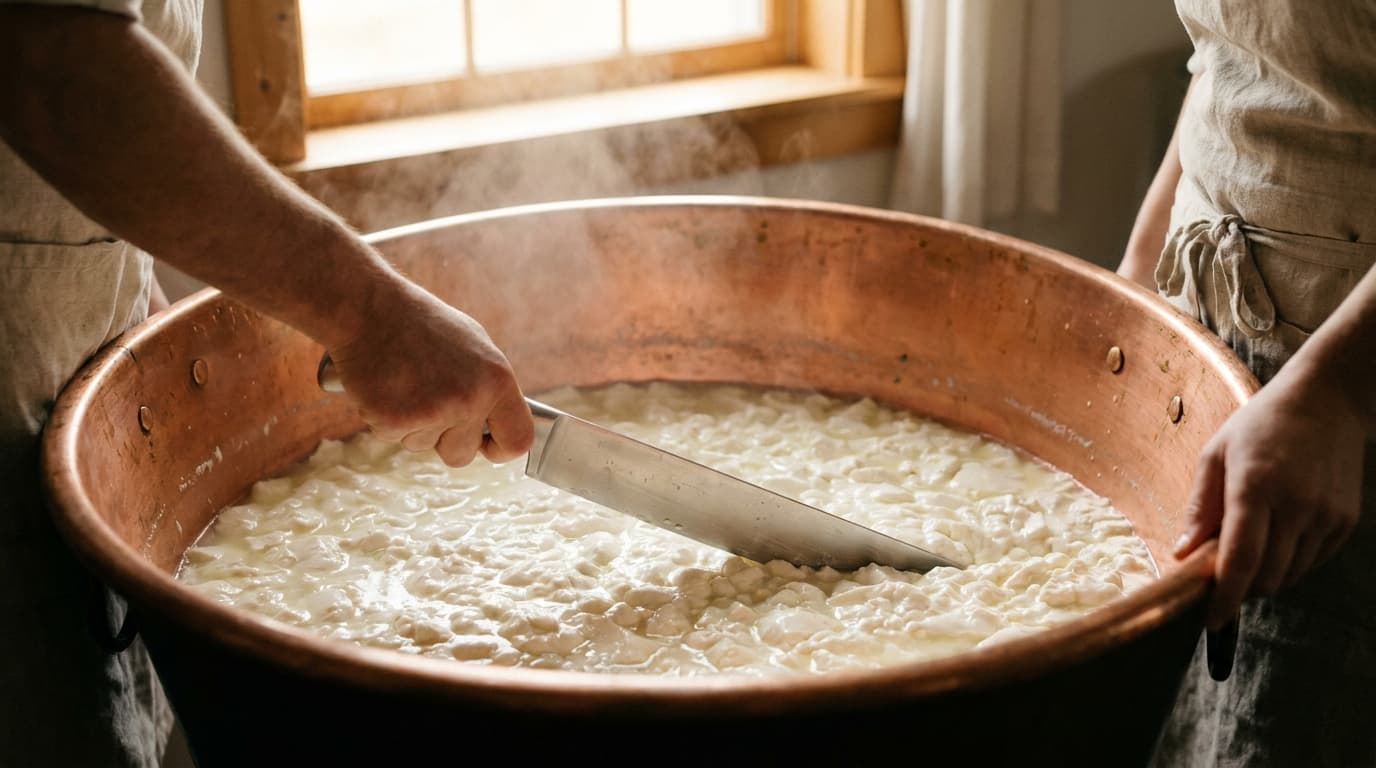
From starter cultures and rennet to pressing, salting, and affinage — the practical techniques every cheesemaker relies on, explained with clear reasoning.
Read the Techniques pillar →
What goes into a cheese beyond technique — milks by animal and season, raw versus pasteurised, salt, cultures, herbs, and the elusive idea of terroir.
Read the Ingredients pillar →Design a cheese in the Lab, then follow the analysis straight into the library to understand every choice you made.
Open the Lab →