The Pillar
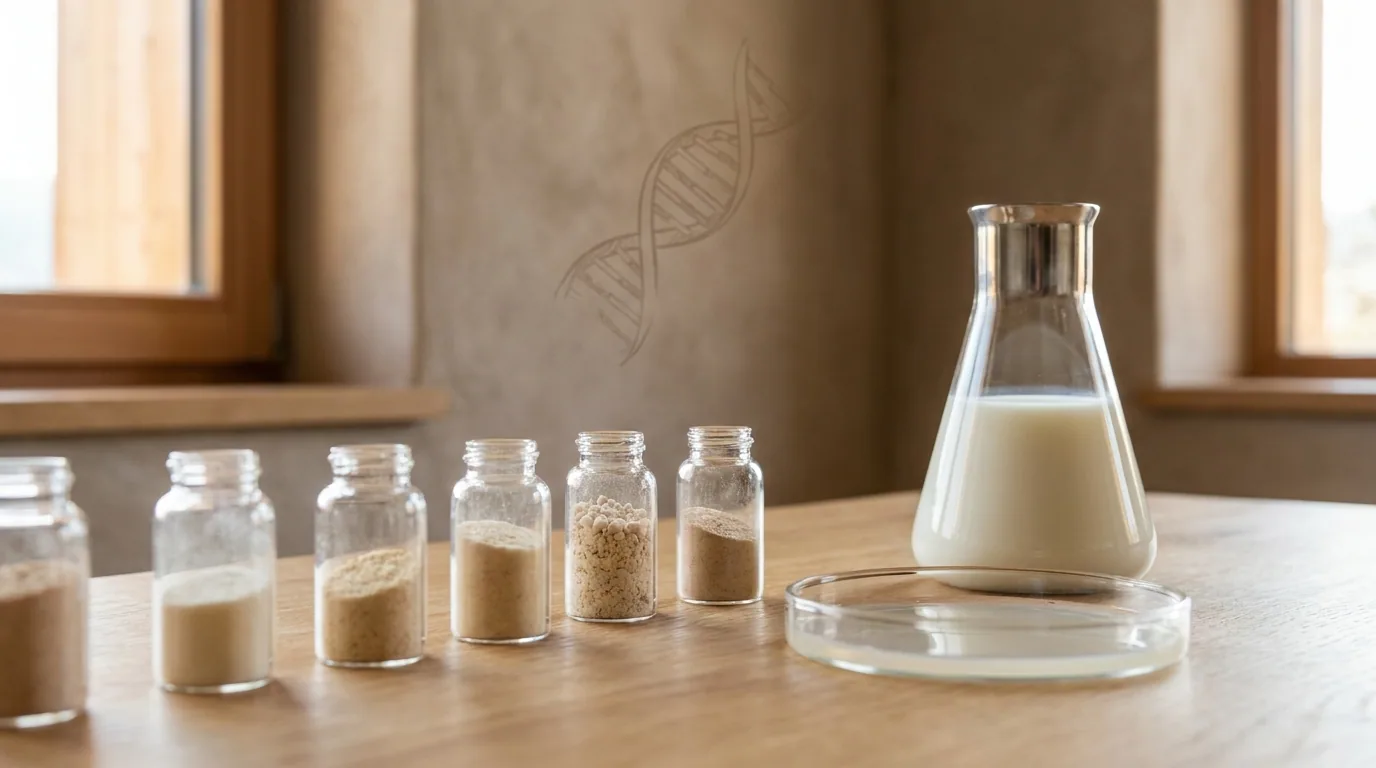
A wheel of cheese is the last chapter in a much longer biological story. Somewhere a cow (or ewe, or goat, or water buffalo) converted grass into milk through a mammary gland the size of a watermelon. Somewhere else, a freeze-dried packet of lactic acid bacteria was engineered, tested against a library of bacteriophages, and balanced into a blend a cheesemaker will pitch without thinking about any of it. And at some point — if the cheese is commercial — a fermentation tank of Aspergillus or Kluyveromyces yeast produced the exact bovine enzyme your great-grandmother extracted from a calf's stomach. This pillar is about that upstream biology, and about the biotechnology that has quietly become the invisible plumbing of modern dairy.
Milk is a biological secretion, not a recipe
Everything you do to milk during a cheesemake is downstream of biology you did not control. The cow's breed, stage of lactation, diet, health, and even time of day change the fat-to-protein ratio, the casein subtypes, the somatic cell count, and the native enzyme and microbial load. Two farms can produce milk that looks identical in a glass and sets completely differently in a vat. Understanding milk as a secretion — not as an ingredient off a shelf — is the first shift from hobbyist to practitioner.
Microbes are co-authors, not ingredients
A starter culture is not a spice. It is a living population that grows, signals, defends itself, sometimes dies, and always leaves a metabolic fingerprint on the cheese. Lactic acid bacteria (LAB) — the workhorse genera Lactococcus, Streptococcus, Lactobacillus, and Leuconostoc — each have their own biochemistry, temperature preferences, and ecological quirks. Some produce CO₂, some produce diacetyl, some produce bacteriocins that keep pathogens in check. Treating them as interchangeable powders is the single most expensive mistake a commercial cheesemaker can make.
Biotech is already in every commercial vat
Most consumers don't realise that the rennet in supermarket cheese is almost never from a calf stomach anymore. Since the early 1990s, fermentation-produced chymosin (FPC) — the exact bovine enzyme, cloned into microbial hosts like Aspergillus niger var. awamori or Kluyveromyces lactis and produced by fermentation — has dominated the market. The enzyme itself is calf chymosin; the microbe producing it is not in the final rennet preparation. This is the most successful applied biotechnology in food, and it is almost invisible.
Safety is a biology problem, not a checklist
Food safety in cheese is not about following a recipe; it is about understanding which organisms can grow in a given biological environment, and using combined hurdles — pH, water activity, salt, temperature, competing microbiota — to keep them out. Raw milk carries pathogens that industrial pasteurisation is designed to kill. Raw, low-acid additions like garlic carry Clostridium botulinum spores. Too much salt, counter-intuitively, can make cheese less safe, not more — by suppressing the protective starters before they do their job. This pillar takes all of that seriously, because small errors in biology have large consequences.
Articles in Biology
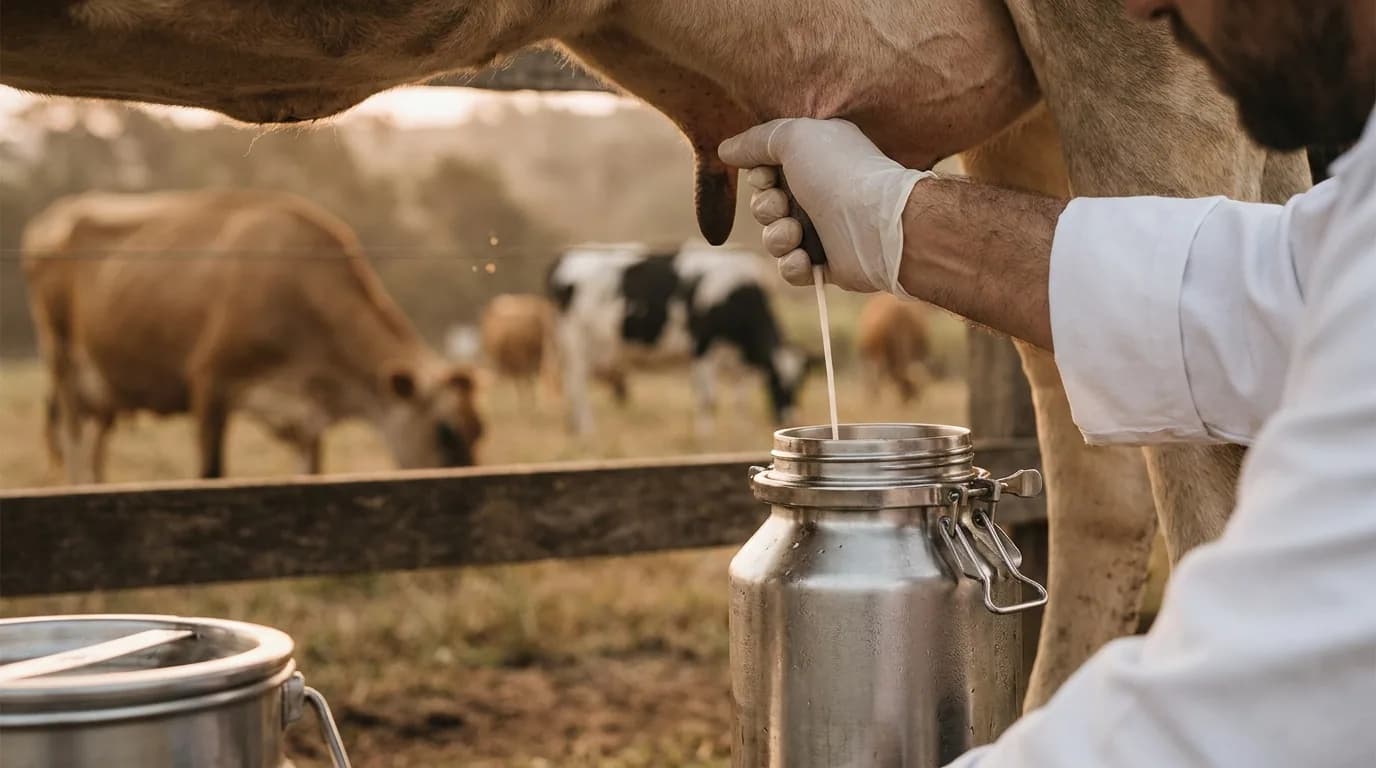
Lactation and Milk Biology: Where Cheesemaking Actually Starts
How mammary physiology, lactation stage, diet, and animal health shape the milk you pour into the vat — and what that means for your cheese.
9 min read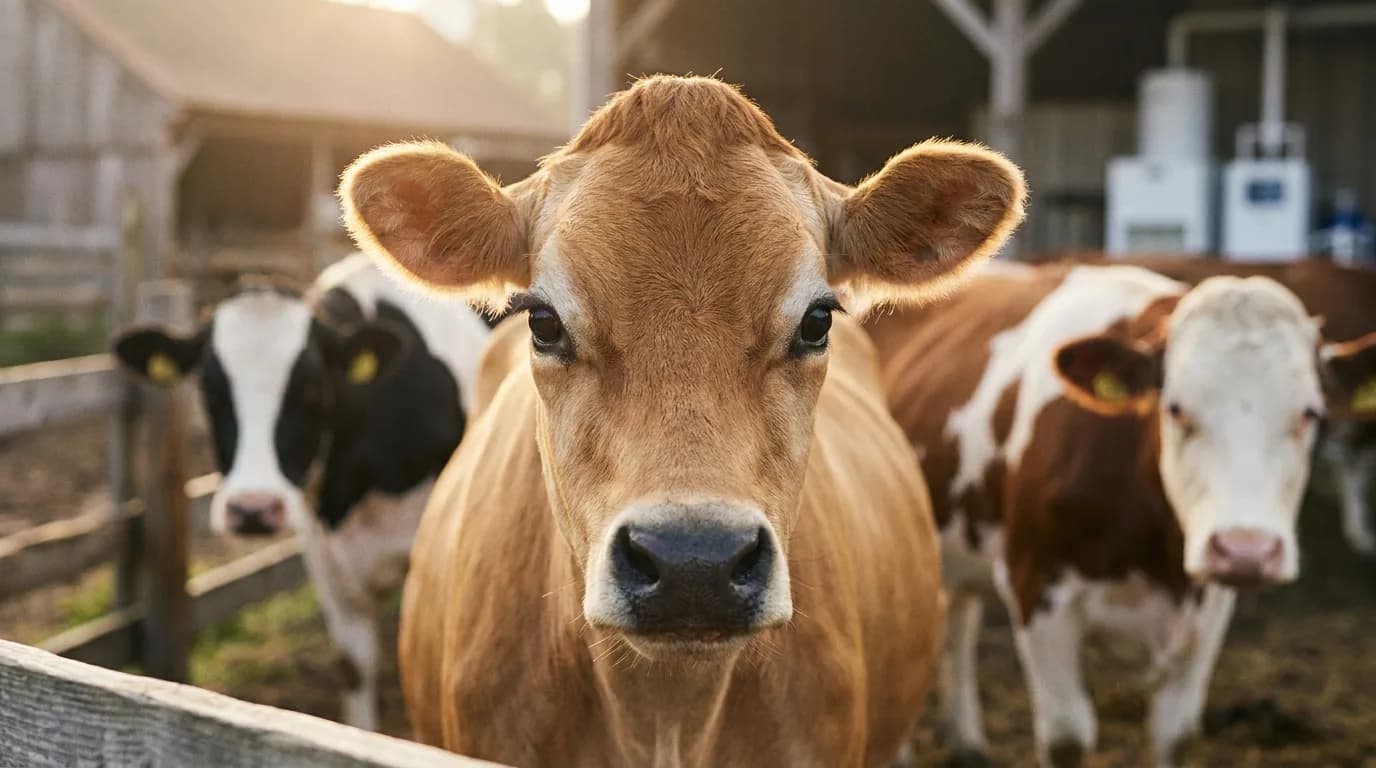
Dairy Genetics: Breeds, Species, and the A1/A2 Question
How breed and species genetics shape milk composition, cheesemaking behaviour, and the much-hyped A1/A2 beta-casein debate.
8 min read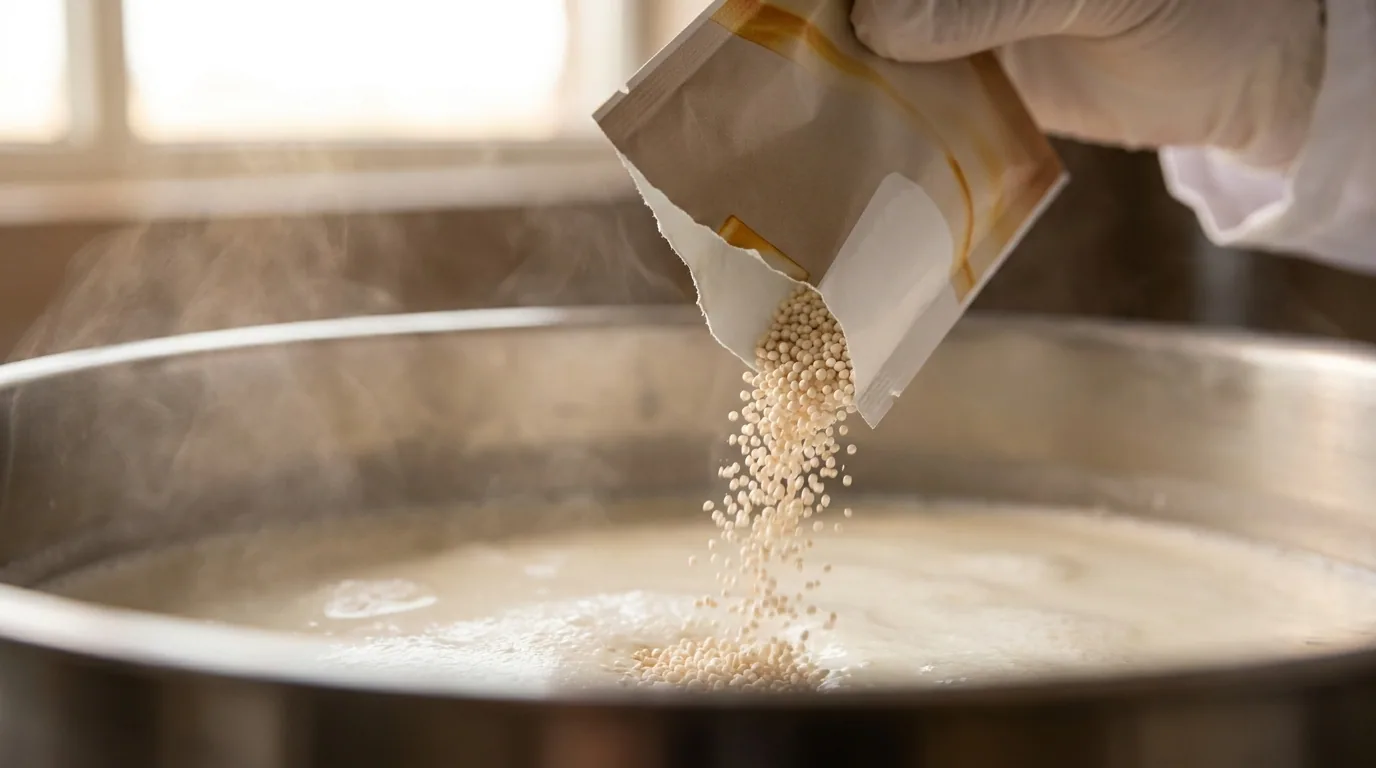
The Cell Biology of Lactic Acid Bacteria
What's actually happening inside a Lactococcus or Streptococcus cell during a cheesemake — metabolism, growth, bacteriocins, and why not all LAB are created equal.
9 min read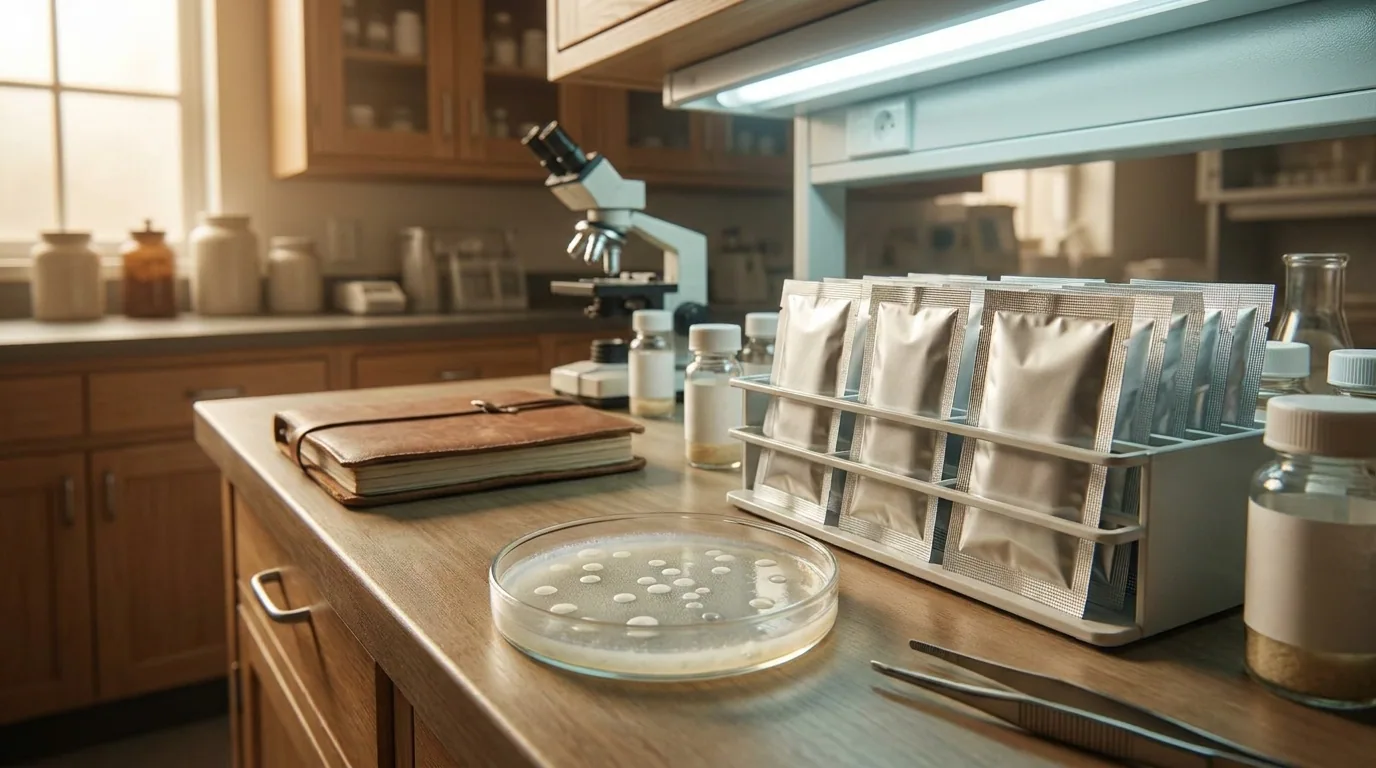
Bacteriophages and the Industrial Problem Behind Starter Rotation
Why commercial dairies rotate starter cultures, how bacteriophages can wreck a batch, and how the discovery of CRISPR in yoghurt cultures changed biology forever.
8 min read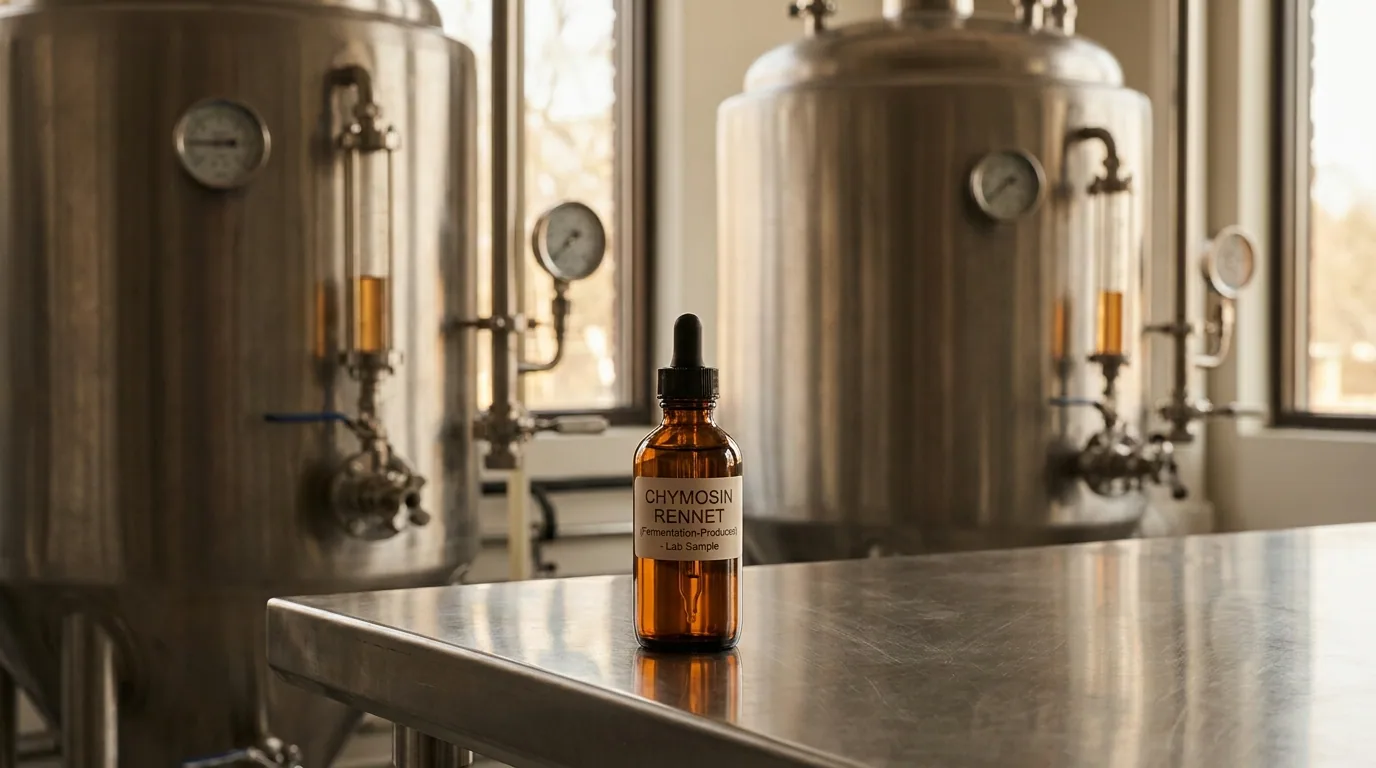
Biotechnology in Cheesemaking: FPC, Defined Starters, and Precision Fermentation
Fermentation-produced chymosin, defined-strain starter blends, and precision fermentation for animal-free casein — the biotechnology quietly remaking the dairy industry.
10 min read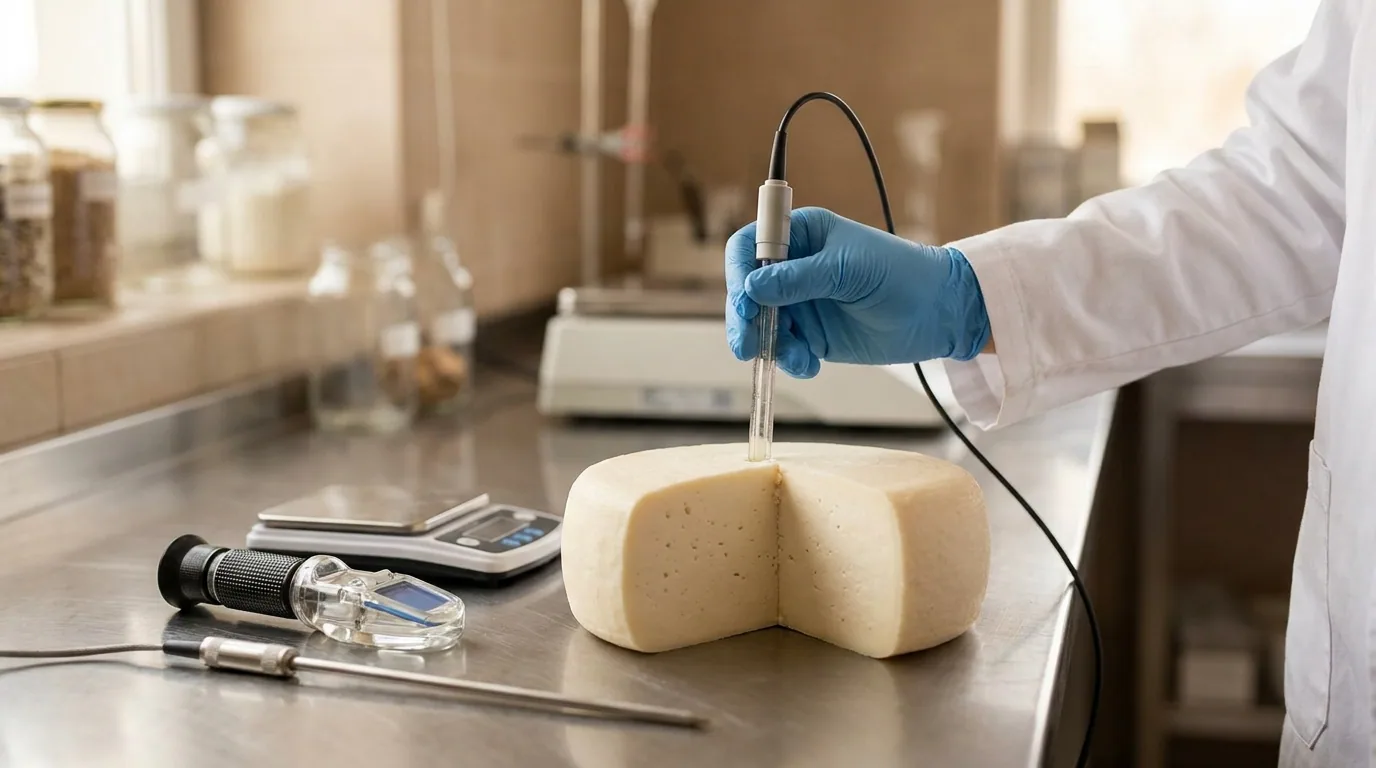
Food Safety Microbiology: Pathogens, Hurdles, and Unsafe Add-ins
The pathogens that cause real cheese recalls, the hurdle-technology principles that keep them in check, and the genuine risks from raw milk, raw garlic, and over-salting.
10 min read
Common questions about biology
Why a separate Biology pillar if there's already a Cheese Science pillar?+
Cheese Science focuses on what happens inside the cheese — chemistry, physics, microbial ecology of the finished product. Biology goes upstream (where does milk come from, what's inside a starter cell, what's a bacteriophage) and sideways (biotechnology, food-safety microbiology). They complement each other; both pillars reward reading together.
Do I need to use fermentation-produced chymosin (FPC)?+
No — traditional calf rennet, vegetable coagulants, and microbial rennets all still work. But FPC has become the default for most commercial cheese for good reasons: consistency, vegetarian-acceptability, lower cost, and a cleaner proteolytic profile than most microbial rennets. For long-aged cheeses, FPC typically produces less bitterness than older microbial rennets from Rhizomucor miehei and relatives.
Are precision-fermented dairy proteins really cheese?+
Legally in most jurisdictions, no — they can't be labelled 'cheese' without the milk. Functionally, products made from precision-fermented casein can coagulate, stretch, melt, and age in recognisable ways. The category is young. Expect the legal and sensory definitions to be fought over for the next decade.