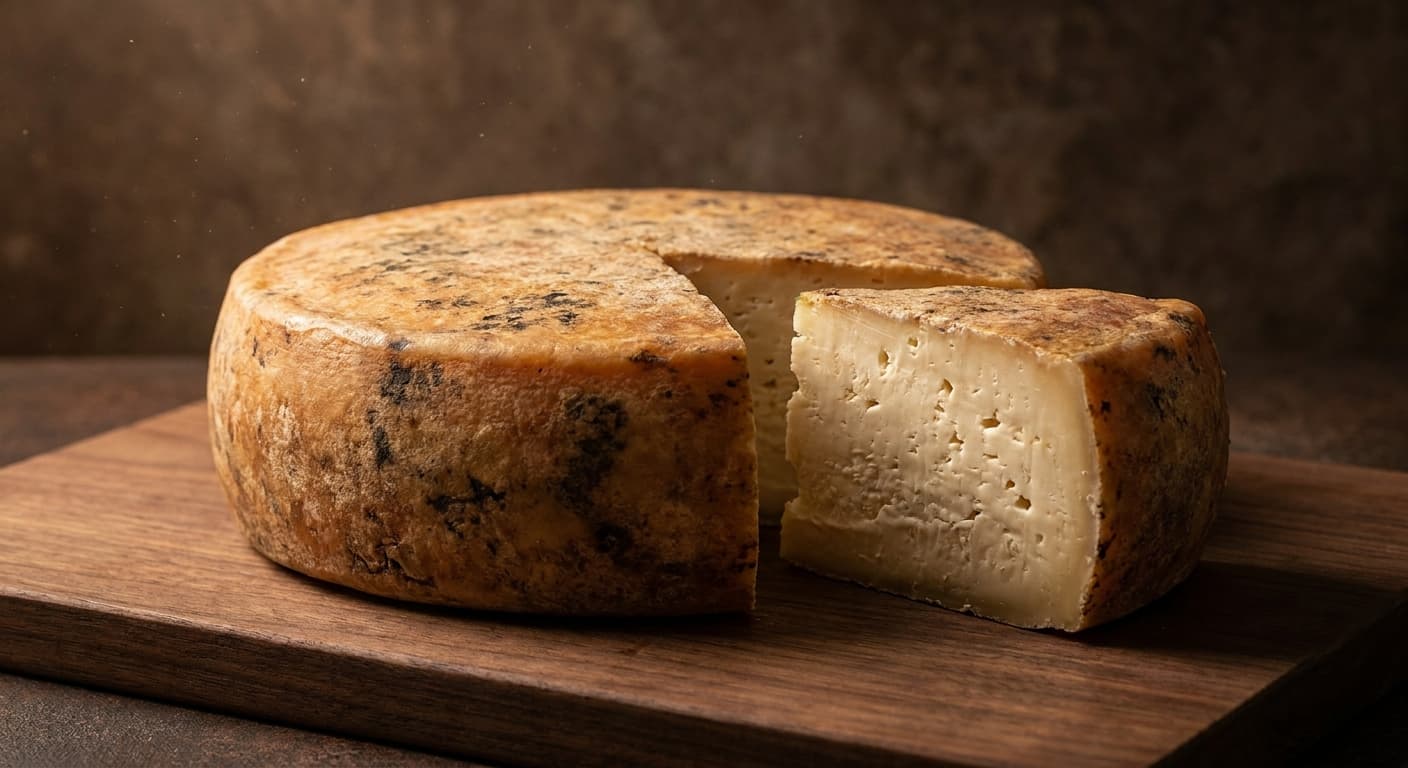
- ✓Washed-rind cheeses are rubbed or bathed with brine (sometimes with wine, beer, or spirits) during aging.
- ✓The washing selects for Brevibacterium linens and related coryneforms that drive rind colour and aroma.
- ✓The resulting cheese is pungent on the outside and usually much milder on the palate.
Washing: the defining process
During aging, the cheese's surface is wiped or bathed regularly — typically every two to four days — with a brine solution, often containing a proprietary culture of B. linens and sometimes ambient rind microbes. The brine keeps the rind moist, raises surface pH by washing away acid, and introduces or reinforces the bacterial community. Over three to six weeks, the rind changes colour from creamy to yellow, then to the characteristic pink-orange of a well-developed smear.
The smear community
A washed-rind community usually starts with salt-tolerant yeasts (Debaryomyces hansenii, Geotrichum candidum) that deacidify the surface in the first few days. Once pH is favourable, coryneform bacteria — B. linens being the best known, joined by Microbacterium, Corynebacterium, and Arthrobacter species — colonise and dominate. These organisms produce the orange carotenoid pigments, the sulphurous aromatic compounds, and the aggressive proteolysis that soft-ripens the paste from the outside in.
Famous washed-rind cheeses
- Époisses de Bourgogne — washed with Marc de Bourgogne; intensely pungent, almost spoonable at peak.
- Taleggio — Italian washed-rind, firmer and more restrained than French equivalents.
- Munster (Alsace / Vosges) — pink-orange rind, creamy paste, deeply aromatic.
- Limburger — the archetype; mild on the palate despite its reputation.
- Reblochon — washed for a shorter time, creamy, Alpine.
- Stinking Bishop — English washed-rind washed with perry; a modern classic.
Making a washed-rind cheese
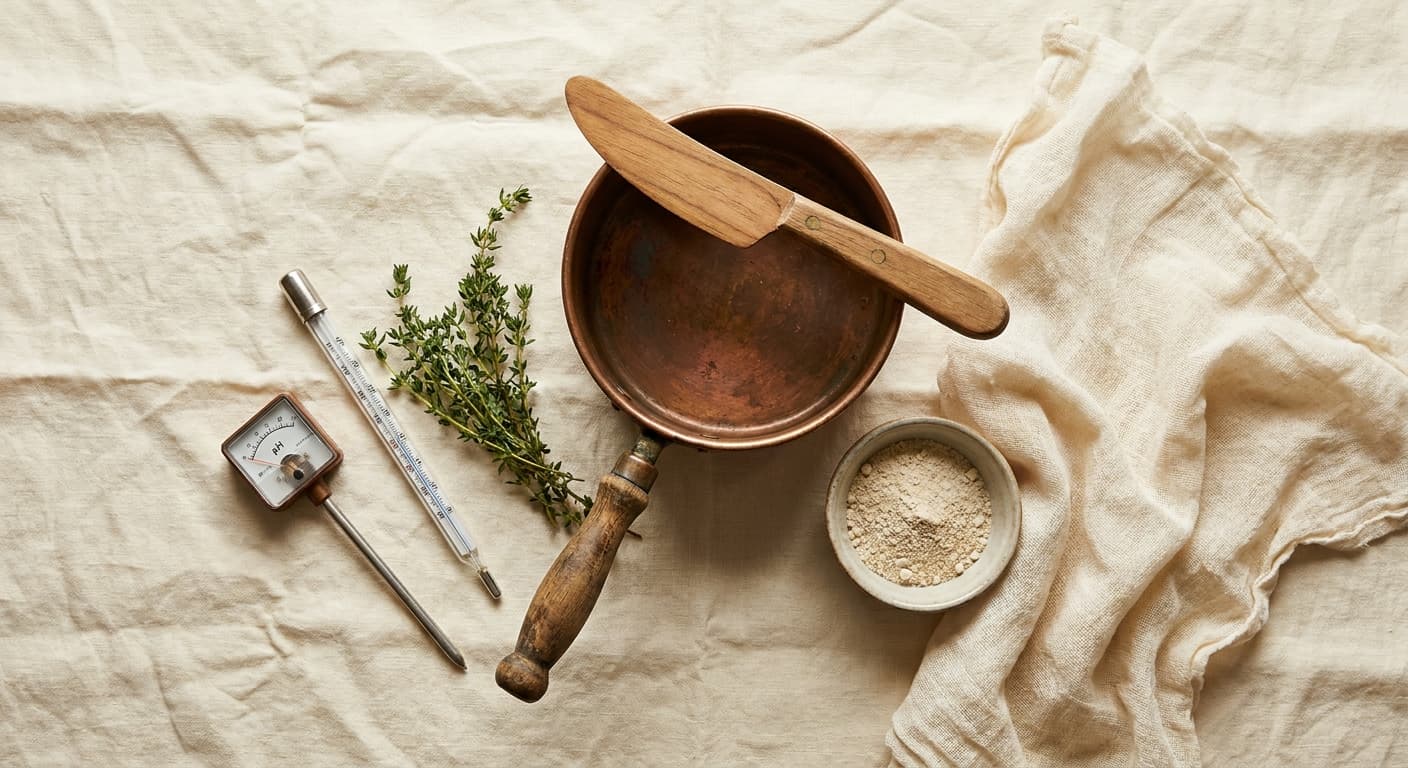
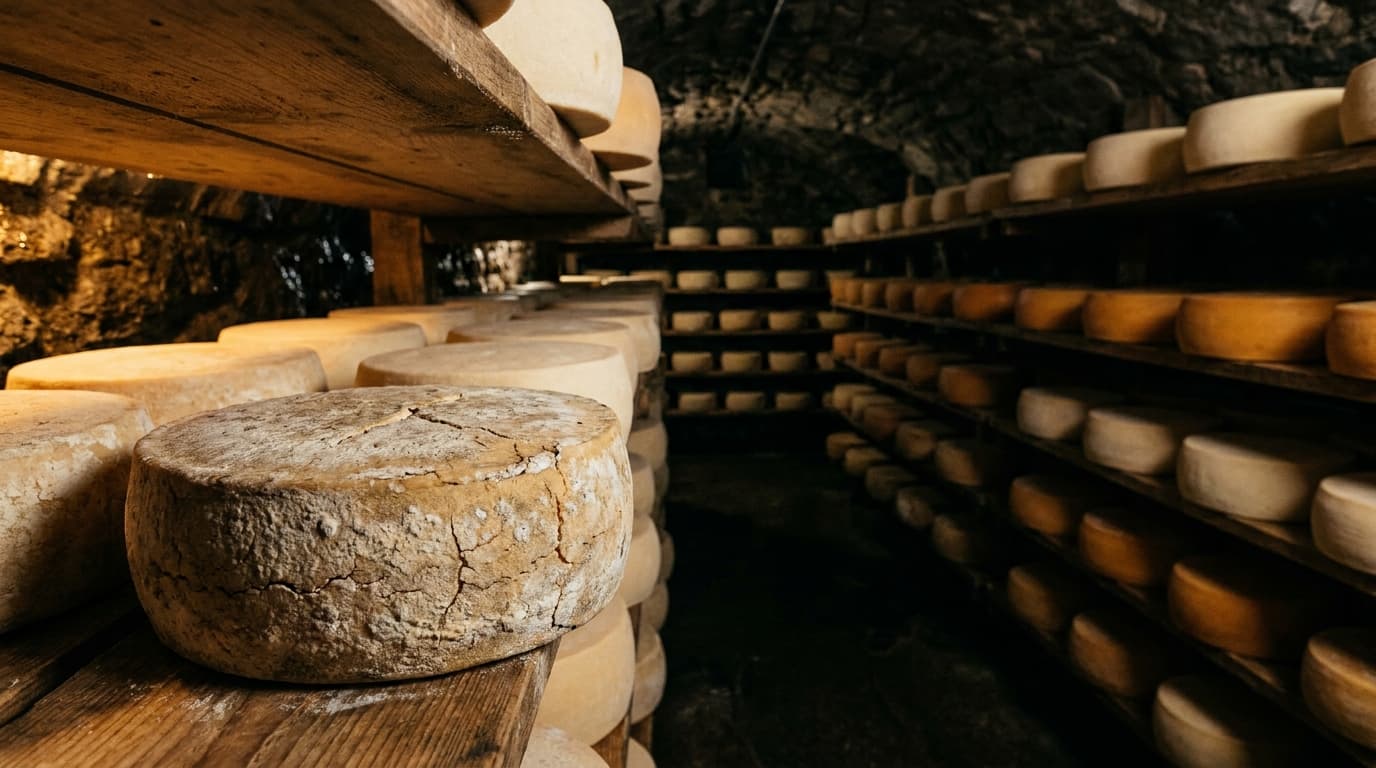
Start with a relatively high-moisture, mildly pressed cheese — a tomme base works well. After a few days of initial surface drying, begin washing. A 3% brine with a pinch of B. linens culture is a classic starting point; variations add a splash of wine, beer, perry, or spirits. Wash every two to four days, keeping the rind tacky but never running wet. Aging temperatures should be around 12–14°C with high humidity (92%+).
Typical problems and fixes
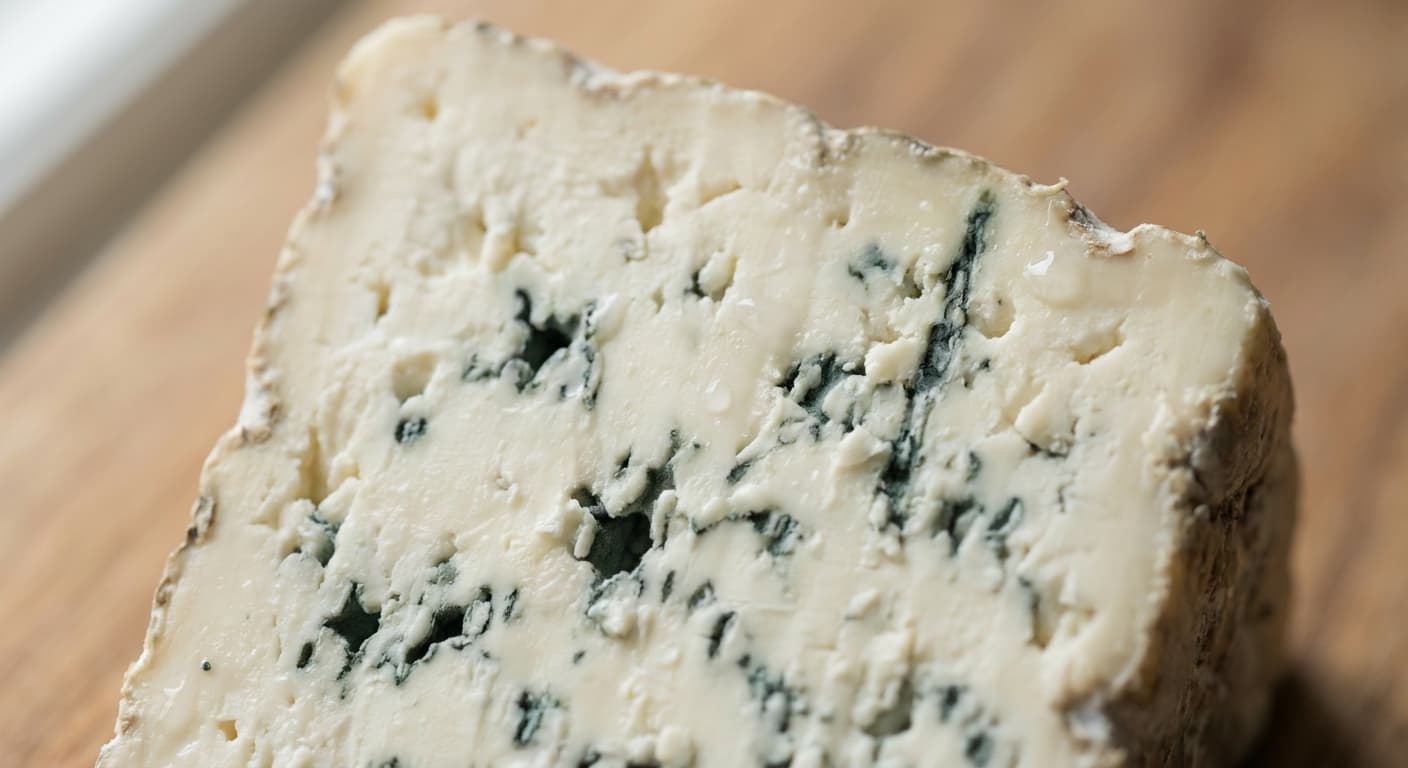
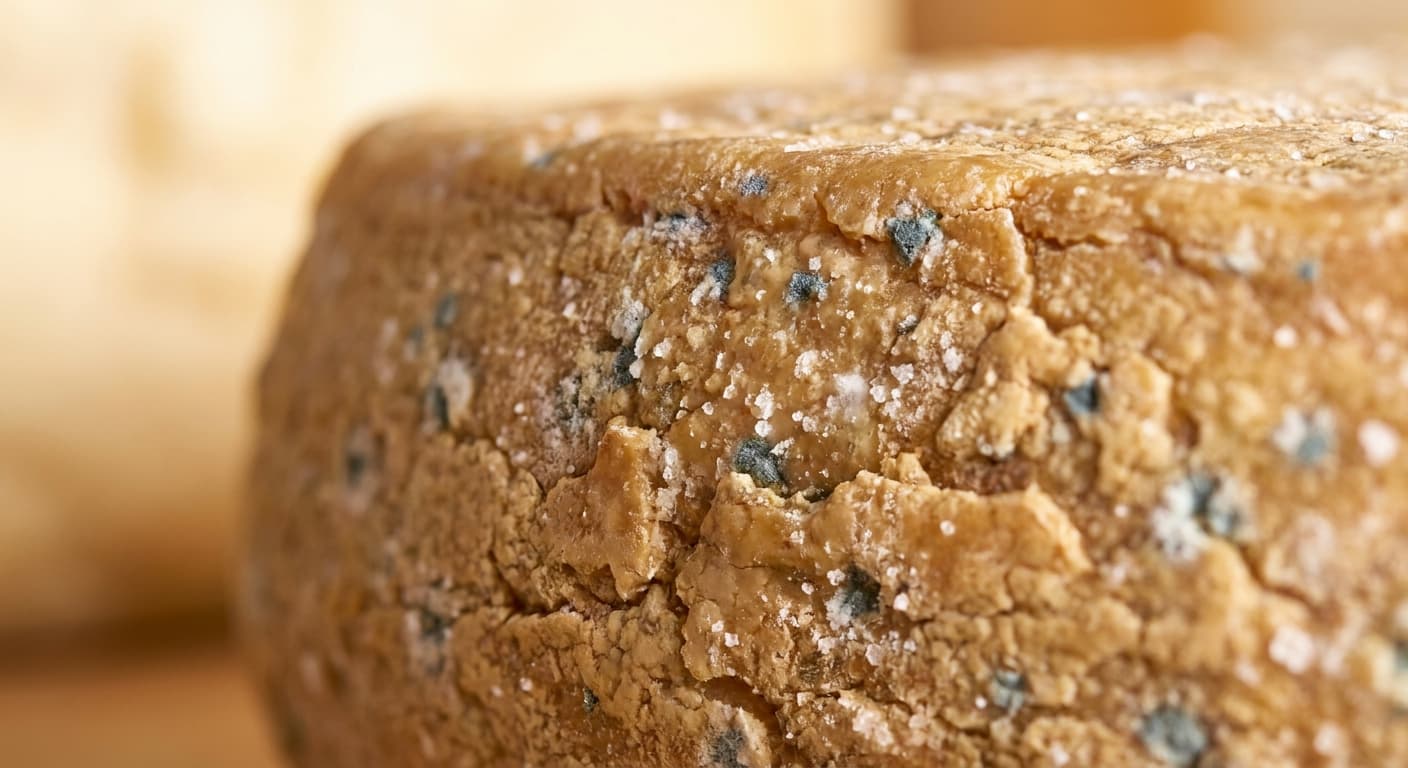
- Grey or green moulds on the rind: overly wet conditions or infrequent washing. Wipe and dry briefly.
- Rind turning slimy rather than tacky: too-warm or under-salted brine. Cool the room; raise salt.
- No colour development: culture not viable, or surface pH too low. Recheck starter, raise brine pH slightly.
- Paste too firm despite long aging: rind microbes aren't penetrating. Soften brine, extend aging.
Frequently asked
Is washed-rind cheese an acquired taste?+
The rind is intense. The paste is usually much milder — often quite creamy and only gently savoury. Many people dislike the rind and love the paste. Cut away the rind for reluctant eaters; there's no rule that says you must eat it.
Can I make washed-rind cheese without a separate aging room?+
You can try, but washed-rind microbes are aggressive colonisers and will drift onto any other cheese nearby. If you're serious about washed-rinds, keep them in a dedicated box or fridge away from your bloomy rinds.