The Pillar
Cheese is one of the oldest controlled microbial foods we have — and also one of the most quietly complex. A wheel of mature Comté is a four-dimensional ecosystem of proteins, fats, microbes, and enzymes that have been rearranging themselves, in slow motion, for a year or more. Understanding the science doesn't make cheesemaking feel mechanical; if anything, it makes the craft deeper. This pillar pulls together the core chemistry, microbiology, and physics every serious cheesemaker should carry in their head.
Milk is not a simple ingredient
Milk is an emulsion of fat globules, a colloidal suspension of casein micelles, and a solution of lactose, whey proteins, and dissolved salts — all at roughly body temperature when it leaves the animal. Every cheesemaking decision you make is a decision about how to rearrange those components. Coagulation destabilises the casein micelles. Cutting and cooking the curd expels water. Salting tunes moisture, pH, and microbial pressure. Aging rearranges the proteins and fats into something new.
Casein: the protein that makes cheese possible
Casein is what sets cheese apart from yoghurt, cream, and every other dairy product. Four closely related proteins — αS1, αS2, β, and κ-casein — bundle themselves into tiny spheres called micelles, stabilised in suspension by the hair-like κ-casein that coats their outside. When rennet cleaves the κ-casein shell, or when acid neutralises the micelle's negative charge, those micelles flocculate and form a three-dimensional protein gel. That gel is the curd.
pH is the dial that controls everything
If you could only monitor one variable during cheesemaking, pH would be it. The starter bacteria convert lactose to lactic acid, dropping pH from ~6.6 at the start to anywhere between 4.6 and 5.3 depending on style. That drop dictates how much calcium stays bound to the casein network, how firm or crumbly the curd is, how moisture is retained, and which microbes can thrive on the rind. A tiny pH difference changes texture dramatically: a Cheddar finishing at 5.1 is a different animal from one finishing at 5.3.
Moisture, salt, and the water activity triangle
Cheesemakers don't just think about how much water is in a cheese — they think about how available that water is to microbes. Water activity (a_w) is the scientist's term for this, and it's largely controlled by salt. Salt dissolves in the free moisture, draws more water out of the curd through osmosis, and drops a_w enough to suppress unwanted microbes while still permitting the ones you want. This is why washed-rind cheeses with their briny, moist exteriors support one community of microbes, and dry-aged Manchegos support another.
- High moisture + low salt → fast ripening, short shelf life, soft texture (think fresh mozzarella)
- Moderate moisture + moderate salt → complex ripening, months of aging (think Camembert, tomme)
- Low moisture + high salt → slow ripening, years of aging possible (think Parmigiano, aged Gouda)
The maturing wheel: proteolysis, lipolysis, and glycolysis
Flavour in aged cheese is built by three interlocking enzymatic processes. Proteolysis breaks long casein chains into shorter peptides and eventually free amino acids — some bitter, some savoury, some sweet. Lipolysis releases short-chain fatty acids from milk fat, responsible for the pepper of a mature pecorino or the barnyard note in a blue. Glycolysis metabolises residual lactose and citrate, sometimes producing the CO₂ that gives Swiss cheeses their eyes. The balance of these three processes, governed by temperature, humidity, pH, and the resident microbes, is what an affineur is tuning every day.
Microbes: the invisible co-workers
Every cheese is a managed microbial community. Lactic starter bacteria (Lactococcus, Streptococcus, Lactobacillus) drive acidification. Propionibacterium shermanii makes Emmental's holes. Penicillium roqueforti builds the blue veins. Brevibacterium linens and Geotrichum candidum dominate washed-rind surfaces and give them their colour and smell. The cheesemaker's job is to select the community, set the conditions where they thrive, and exclude the ones you don't want.
Articles in Science
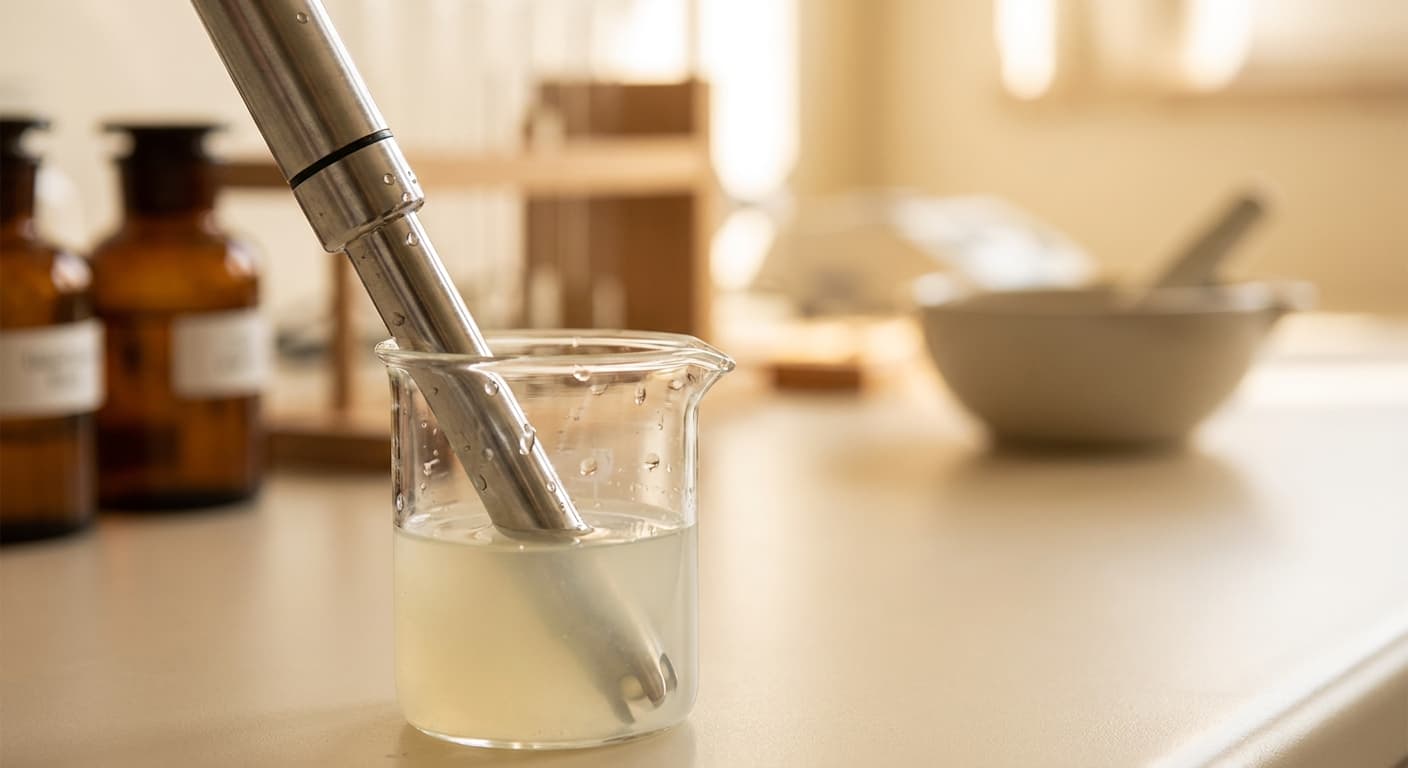
pH and Acidity in Cheesemaking: The Dial That Controls Everything
A practical guide to understanding pH in cheesemaking — what it is, why it matters, how to measure it, and how acidity shapes curd texture, moisture, and flavour.
9 min read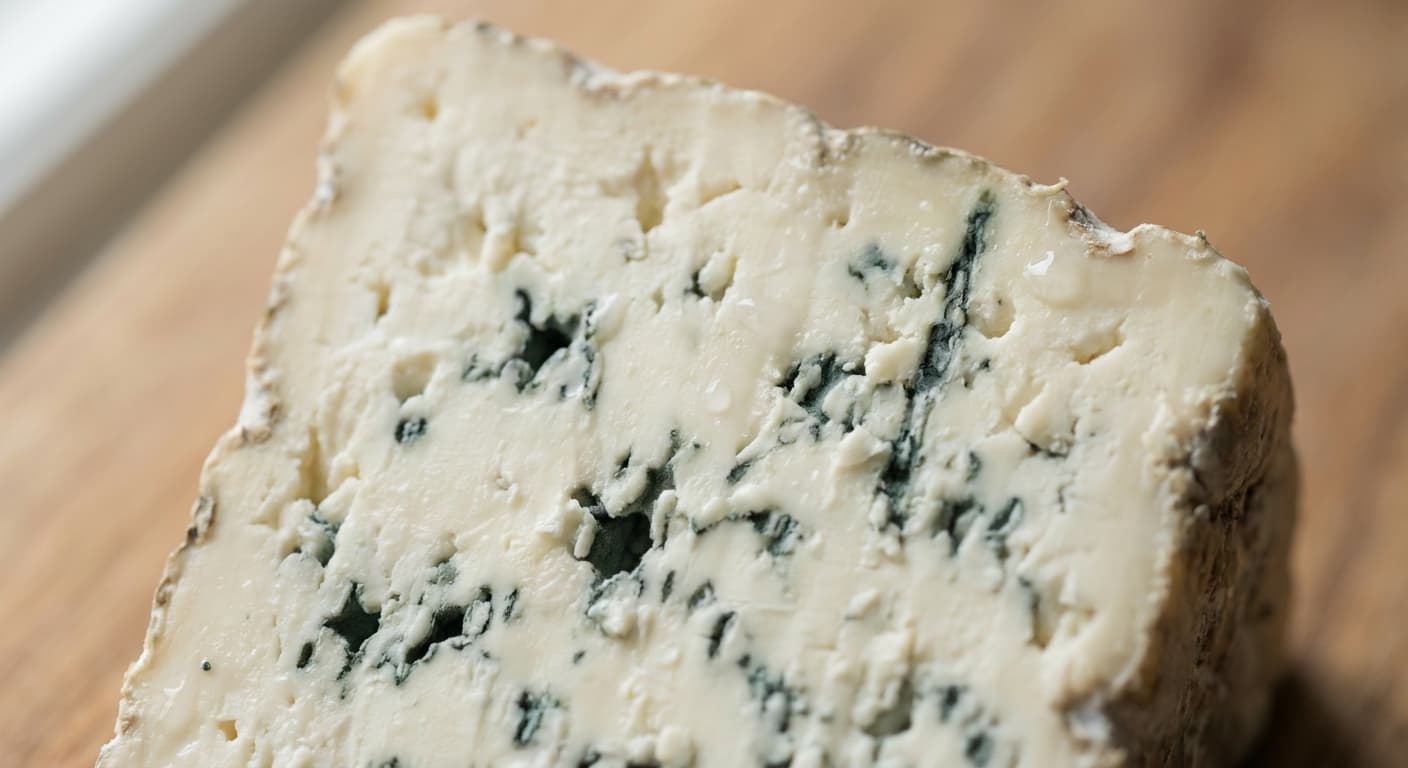
Casein and Coagulation: How Milk Becomes Curd
A deep dive into the protein that makes cheese possible — the structure of casein micelles, how rennet and acid coagulate milk, and what that means for your cheese.
10 min read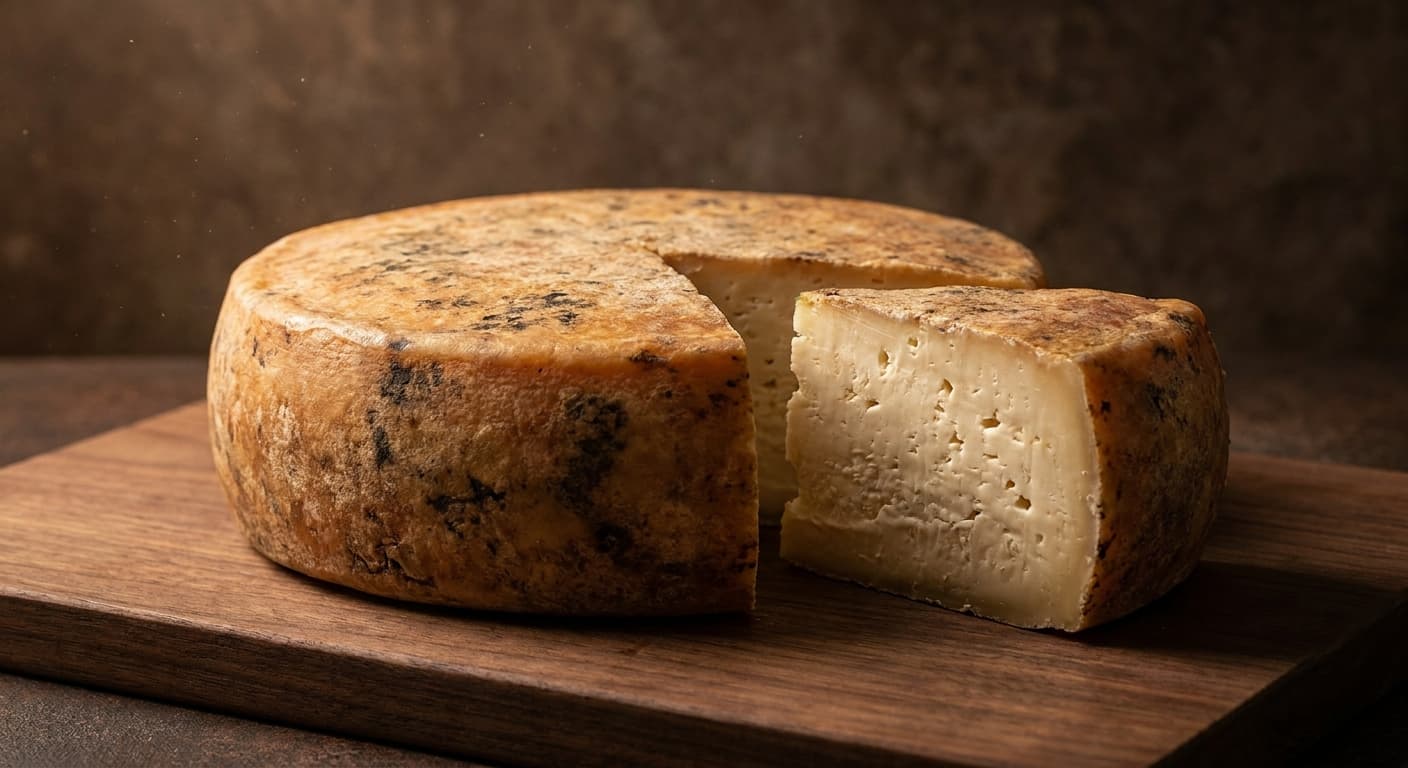
Moisture, Texture, and Water Activity: Why Your Cheese Feels the Way It Does
How moisture and water activity govern cheese texture, shelf life, and microbial ecology — and how cheesemakers actually tune them.
8 min read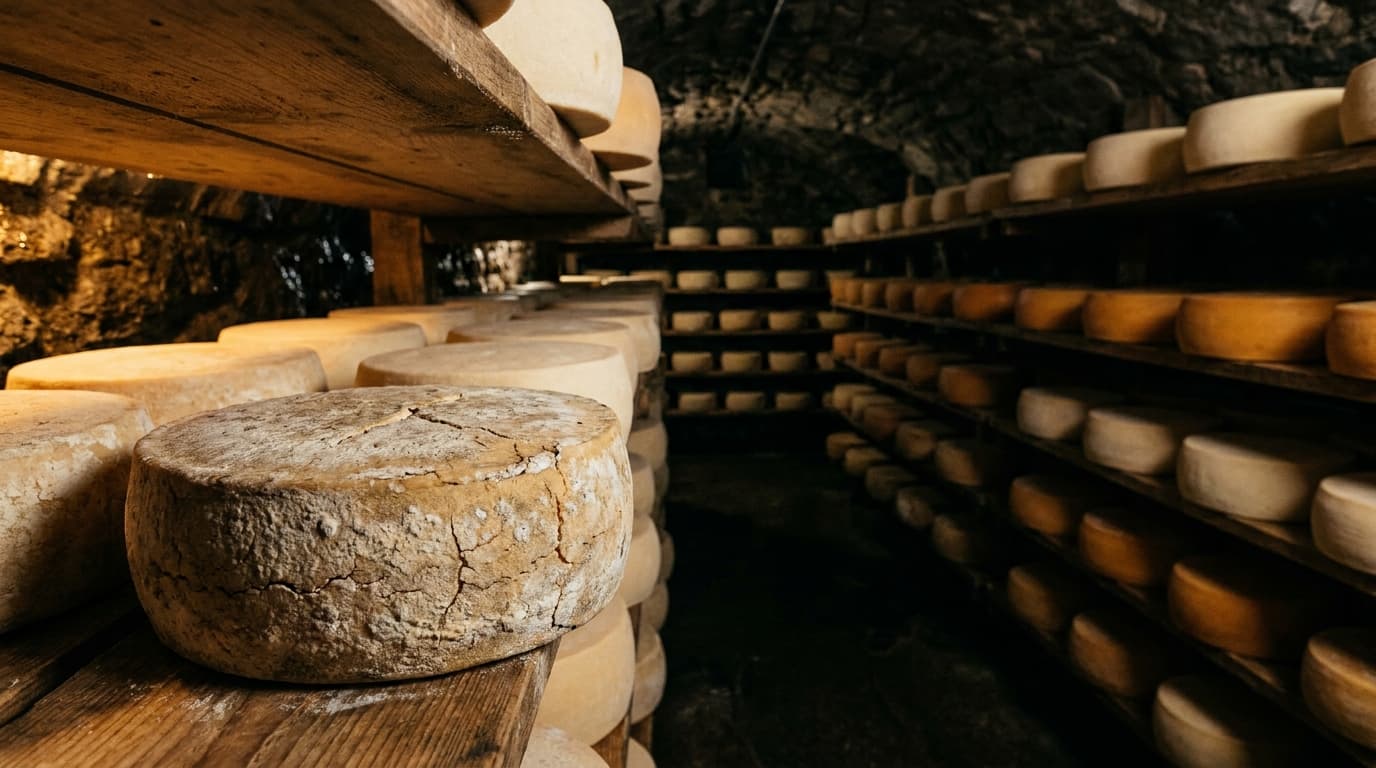
Enzymatic Ripening: How Aging Actually Builds Flavour
Proteolysis, lipolysis, and glycolysis — the three enzymatic processes that transform bland young cheese into something with depth, umami, and character.
9 min readThe Microbial Ecology of Cheese
Every cheese is an engineered microbial community. Meet the bacteria, yeasts, and moulds that make cheese what it is — and how cheesemakers manage them.
8 min read
Common questions about science
Do I need to understand the science to make good cheese?+
No, but it helps. Plenty of extraordinary cheesemakers work by feel, inherited practice, and obsessive observation. The science just gives you a vocabulary for what you're seeing, and a much faster way to diagnose why a batch went wrong.
What's the single biggest science concept new cheesemakers get wrong?+
That pH is a proxy for time. It isn't. Two batches can reach 5.2 on very different timelines and produce different cheeses. Target pH at specific steps, not clock time.
Is raw milk 'better' scientifically?+
Scientifically, raw milk carries a richer native microbial community and full native enzyme activity, which typically produces more flavour complexity. It also carries higher food-safety risk, which is why most regions regulate it tightly. Neither raw nor pasteurised is categorically better — they make different cheeses.