- ✓Mesophilic starters work at 22–32°C; thermophilic starters at 37–45°C.
- ✓Direct-vat inoculation (DVI) is convenient; mother cultures are cheaper at scale and give more control.
- ✓Mixed-strain cultures add flavour complexity; single-strain cultures give reproducibility.
The two main temperature families
Mesophilic cultures — centred on Lactococcus lactis — thrive at ambient dairy temperatures, 22–32°C. They're used for most soft, semi-soft, and traditional English and Dutch hard cheeses. Thermophilic cultures — Streptococcus thermophilus and various Lactobacillus species — like it hot, typically 37–45°C, and are used for Italian hard cheeses, Alpine cheeses, and pasta filata styles. Pick the family that fits your target cheese temperature profile; mixing can work but complicates timing.
Single-strain, mixed, DL, and aromatic
Starter cultures are labelled with letter codes that indicate composition. An 'O-type' mesophilic is pure Lactococcus; an 'L-type' adds Leuconostoc for gas and diacetyl (buttery) flavour; a 'DL-type' has both. Aromatic (flavour-forward) cultures include Leuconostoc or adjunct lactobacilli to push flavour complexity. For a beginner, a mixed DL-type mesophilic is the most versatile; for Italian and Alpine styles, a thermophilic blend with ST + LH is standard.
Direct-vat vs mother culture
Direct-vat inoculation (DVI) sachets are added straight to warmed milk — convenient, consistent, and perfect for small batches and home makers. Mother cultures are made by propagating starter in sterile milk daily, which gives large dairies better cost economics and also better control over acidification rate. Both produce excellent cheese; mother culture requires more discipline and is less forgiving if contamination slips in.
Once you've opened a DVI sachet, it starts losing activity. Split sachets into small portions, freeze what you don't need, and use thawed cultures promptly. Re-frozen-and-thawed cultures are unreliable.
Choosing by style
- Soft lactic cheeses (chèvre, fromage blanc) — mesophilic MM-type or similar.
- Camembert, Brie — mesophilic DL-type plus P. candidum.
- Semi-hard (Gouda, Havarti, tomme) — mesophilic MA-type, sometimes with a Leuconostoc adjunct.
- Traditional Cheddar — mesophilic O-type; avoid gas-producing adjuncts.
- Gruyère, Comté, Alpine — thermophilic TA/LH blends, sometimes with Propionibacterium.
- Parmigiano-style grana — thermophilic, often natural whey starters in traditional production.
- Mozzarella and pasta filata — thermophilic for fast acidification.
Ripening: the often-skipped step
After adding starter to warm milk, most recipes call for a ripening period — 30 to 90 minutes — before adding rennet. During ripening, the starter is already fermenting lactose, dropping pH, and establishing dominance in the milk. Rushing this step because the pH drop looks small is a classic beginner mistake: the population growth matters as much as the pH change. Give the starter its ripening time.
Adjuncts and secondary cultures
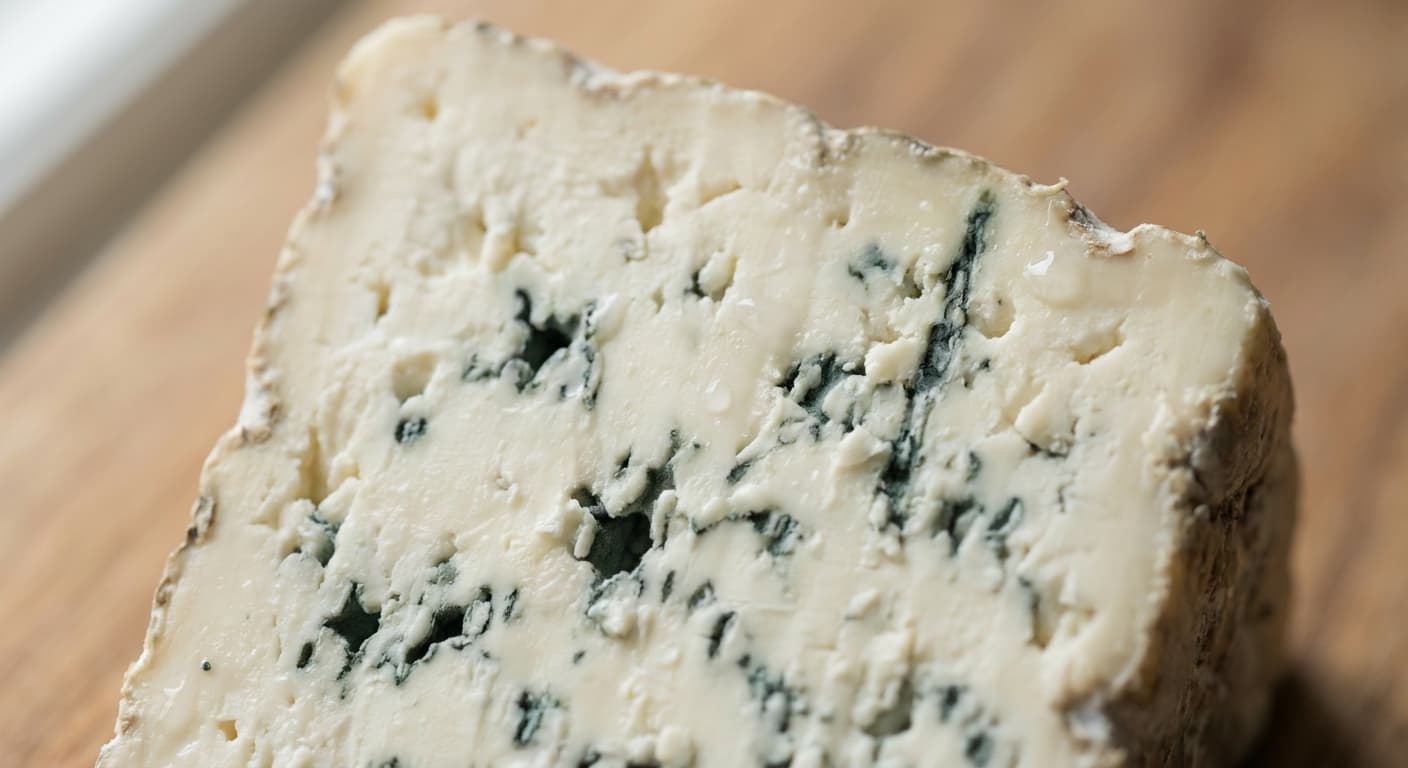
Beyond the primary starter, most cheeses benefit from one or more secondary cultures — Propionibacterium for Emmental eyes, Brevibacterium linens for washed rinds, Penicillium candidum for bloomy rinds, P. roqueforti for blues, Geotrichum candidum as a rind succession helper. These usually go in at low doses and at specific points in the make. Reading recipes carefully and respecting dose guidance matters; ten times the recommended dose is not 'more cheese'.
Frequently asked
Can I make my own starter from yoghurt or buttermilk?+
For simple fresh cheeses, yes — live cultured buttermilk gives a reasonable mesophilic starter, live yoghurt a reasonable thermophilic one. For reproducible aged cheeses, dedicated dairy starter cultures give far more control and consistency.
How much starter should I actually add?+
Follow your sachet's dosing for your vat size — typically 1/32 to 1/64 teaspoon per gallon for DVI. More isn't better; it just makes acidification faster, which usually means less flavour development.