Field Notes
Cheesemaker field notes — failed batches, small wins, and technique deep-dives from the community. The kind of honest writing you can't find in a recipe book.
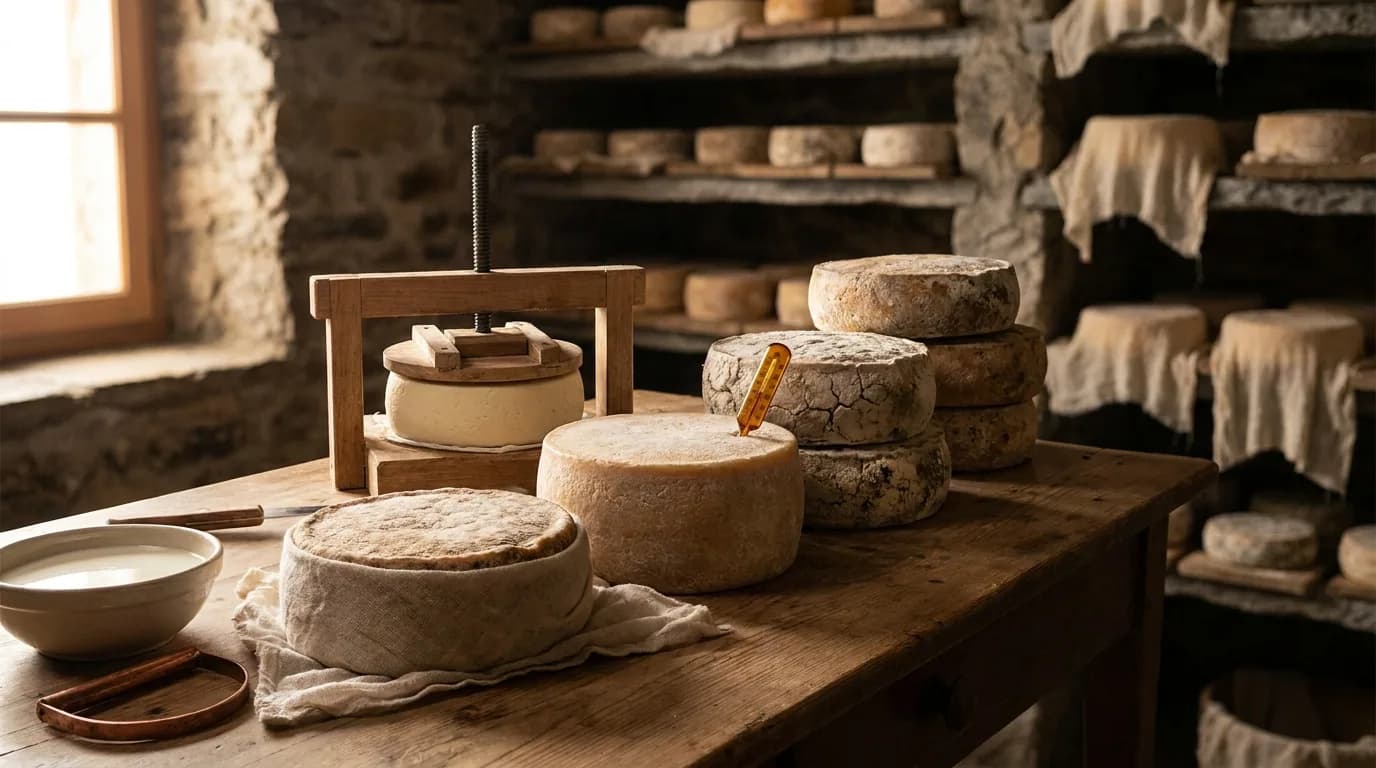
What makes cheese safe, and what makes it dangerous
Cheese food safety is not a checklist. It is a biology problem solved by stacking hurdles. Here is the working model the industry actually uses.
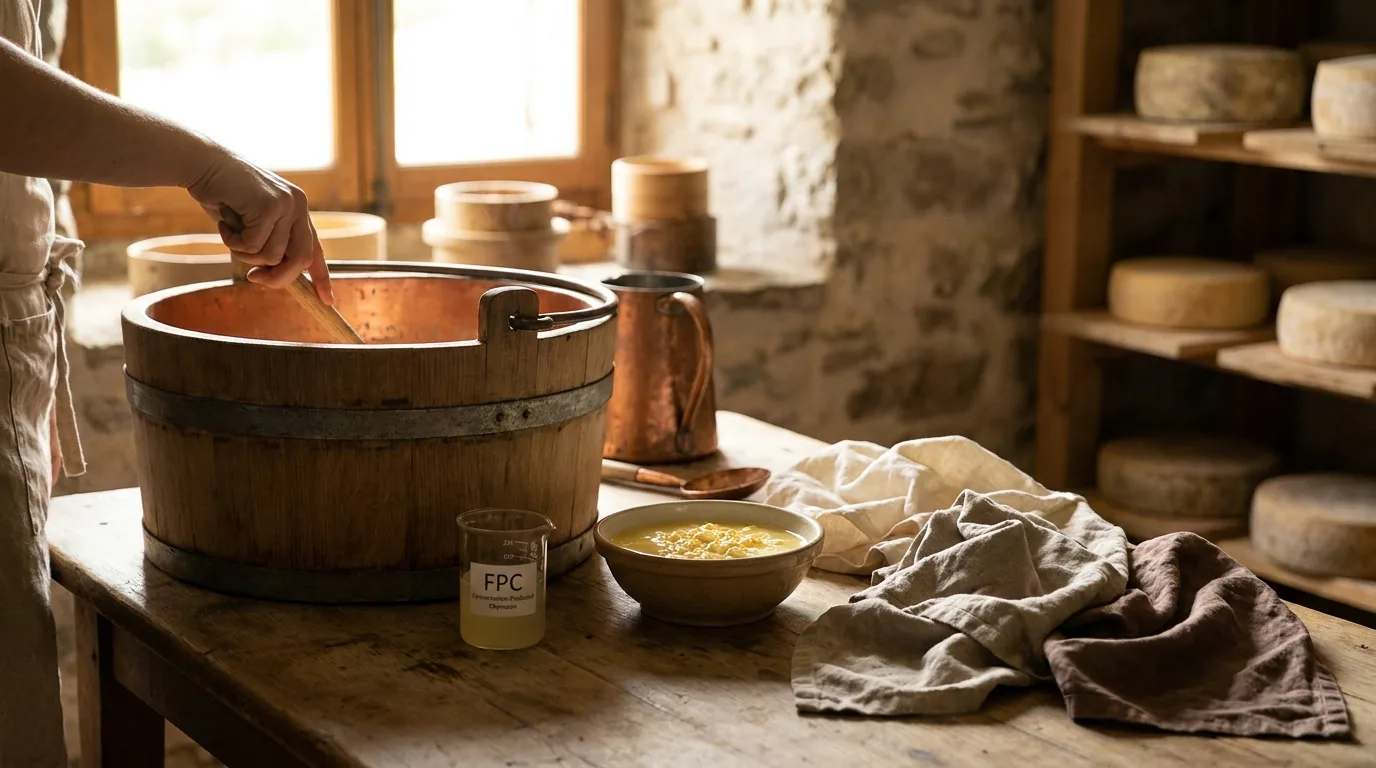
Why most cheese today isn't made with calf rennet anymore
Most commercial cheese today uses fermentation-produced chymosin rather than traditional calf rennet. Here is what changed, and why it matters.
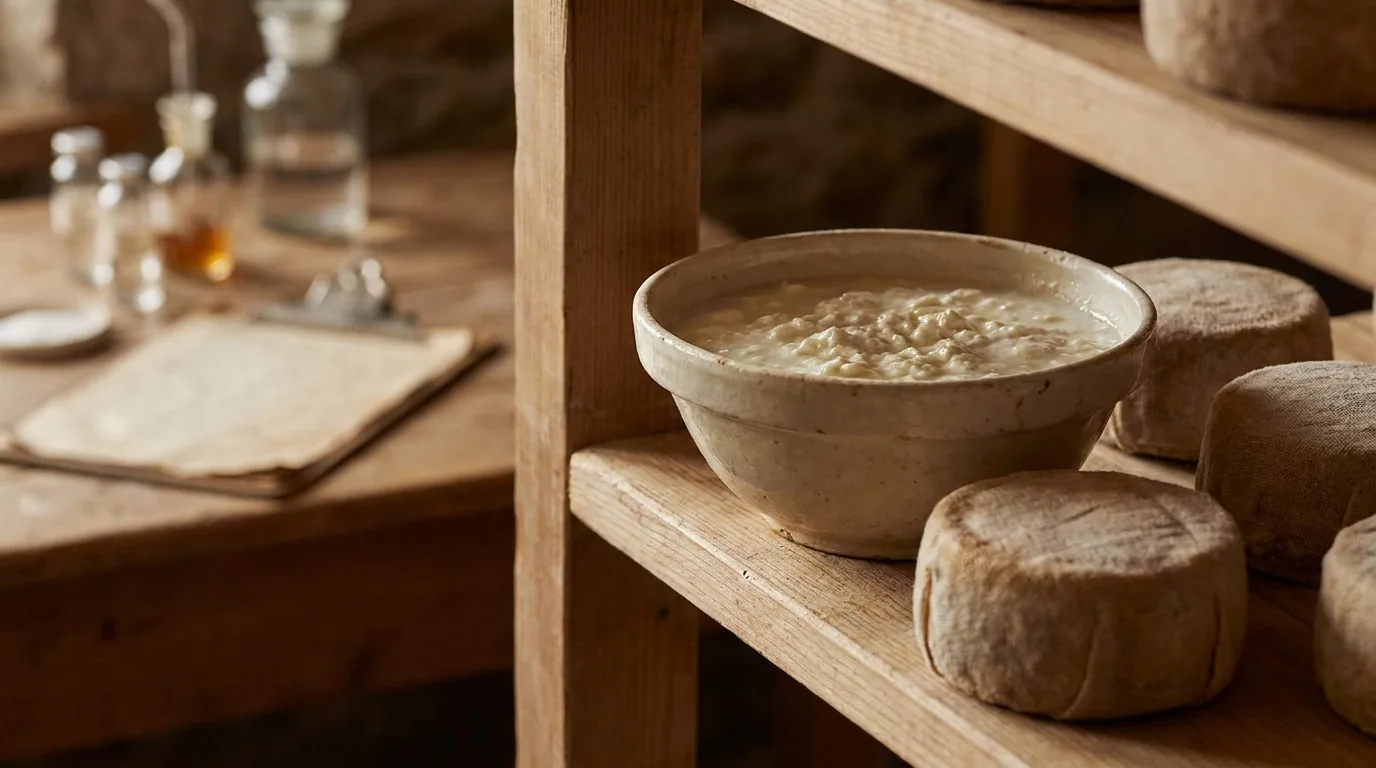
Why starter cultures fail: bacteriophages and the case for rotation
The single biggest cause of starter failure in commercial cheese is an invisible virus. Here is what a bacteriophage is and how the industry fights it.
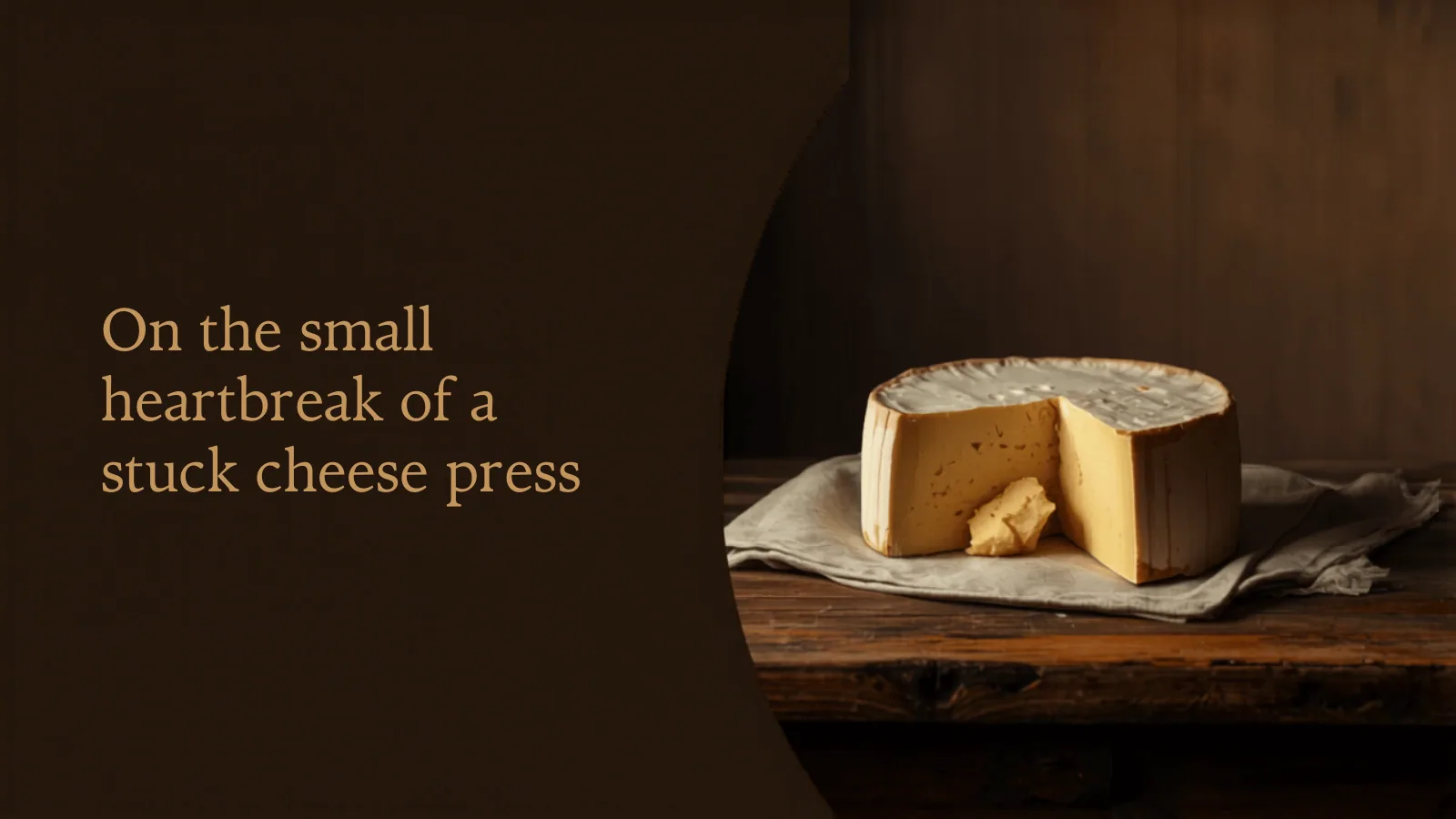
On the small heartbreak of a stuck cheese press
A short note about release, pressure, and the reason your wheel won't come out of the mould.
 Monsieur Fromage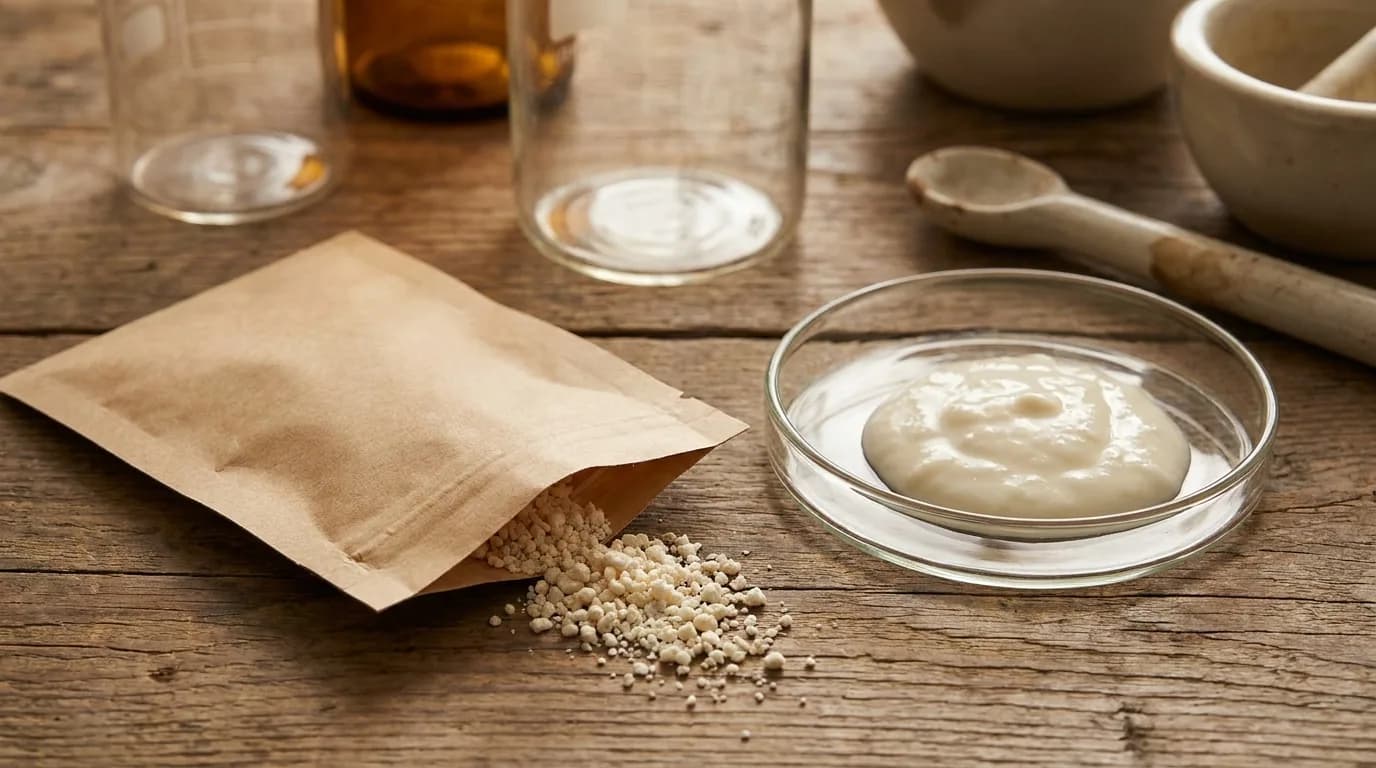
What's actually happening inside a starter culture
A freeze-dried starter sachet contains billions of living cells with a specific job. Here is the biology, and why it matters which one you pitch.
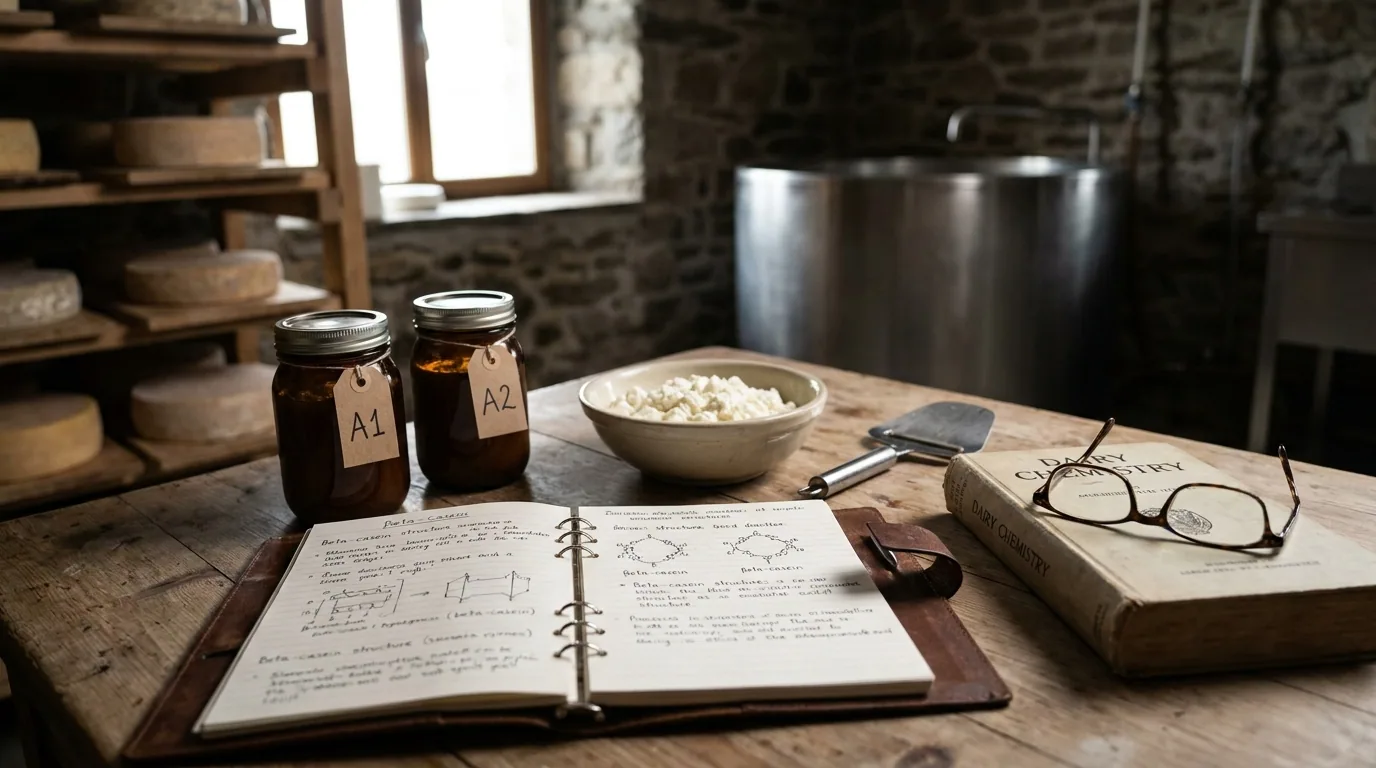
What A1/A2 milk actually means for cheesemakers
A working-cheesemaker reading of the A1/A2 β-casein question — what the genetic difference is, and whether it matters in the vat.
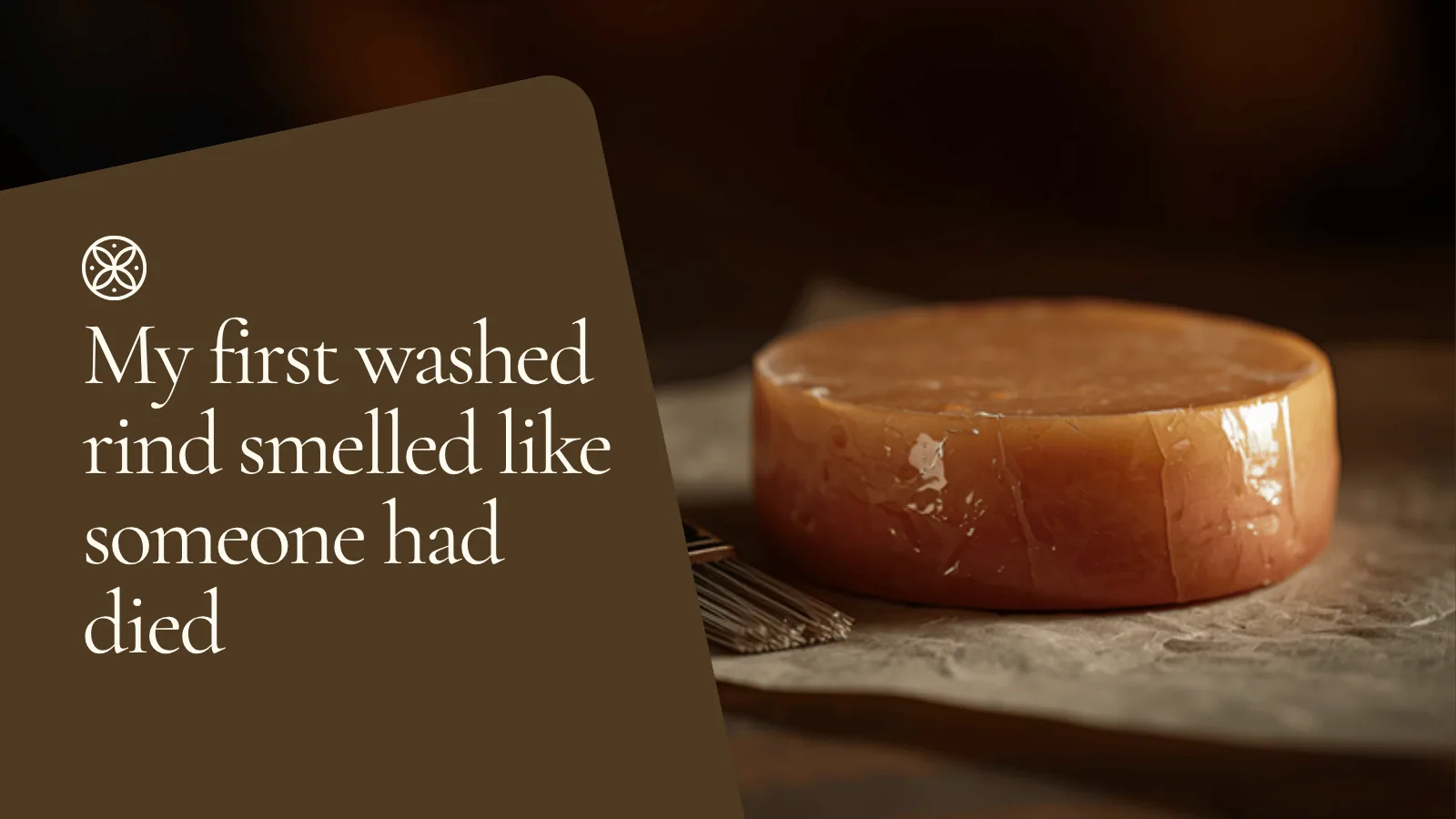
My first washed rind smelled like someone had died
A field note on Brevibacterium linens, the smell of fermented socks, and whether any of this is going right.
Monsieur Fromage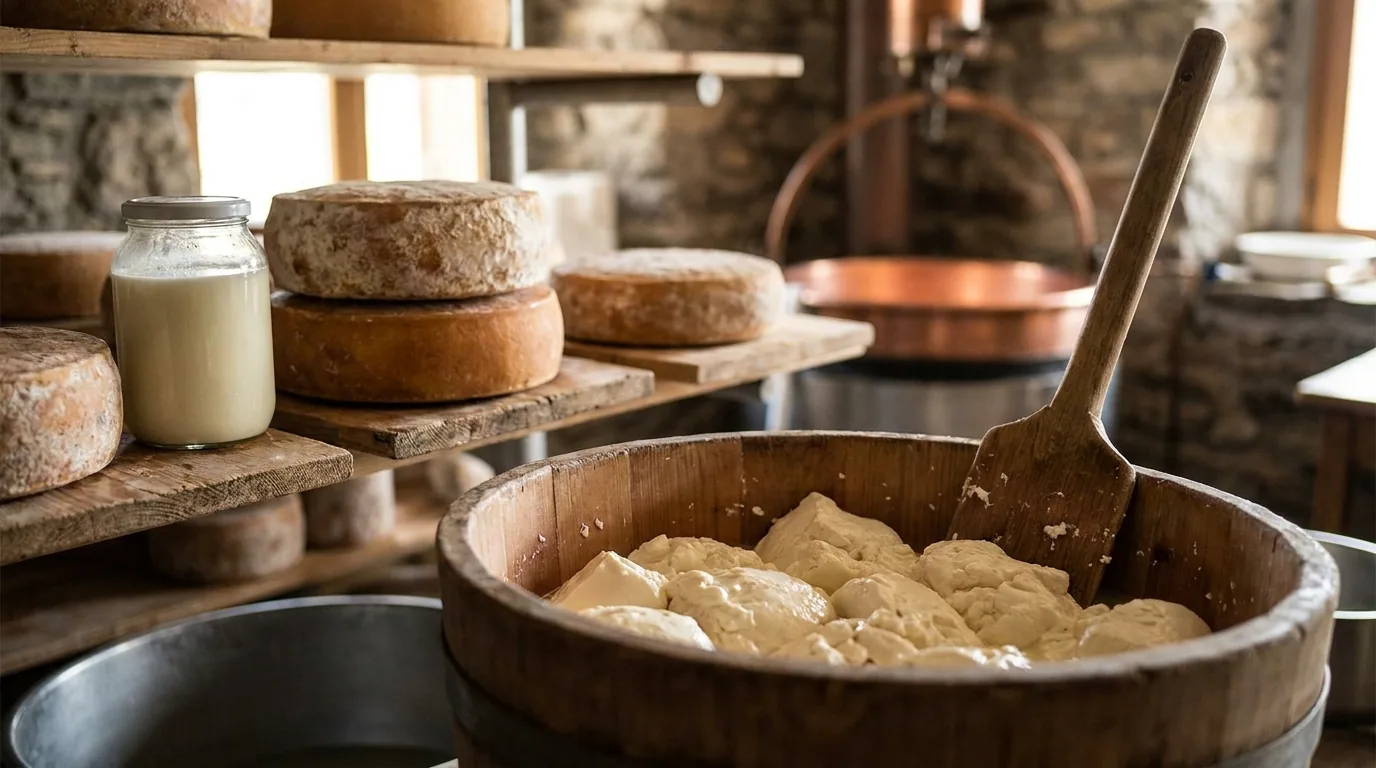
Why milk from the same farm makes different cheese every week
Milk is a biological secretion, not a consistent ingredient. Here is what shifts batch to batch, and how a working cheesemaker adjusts.
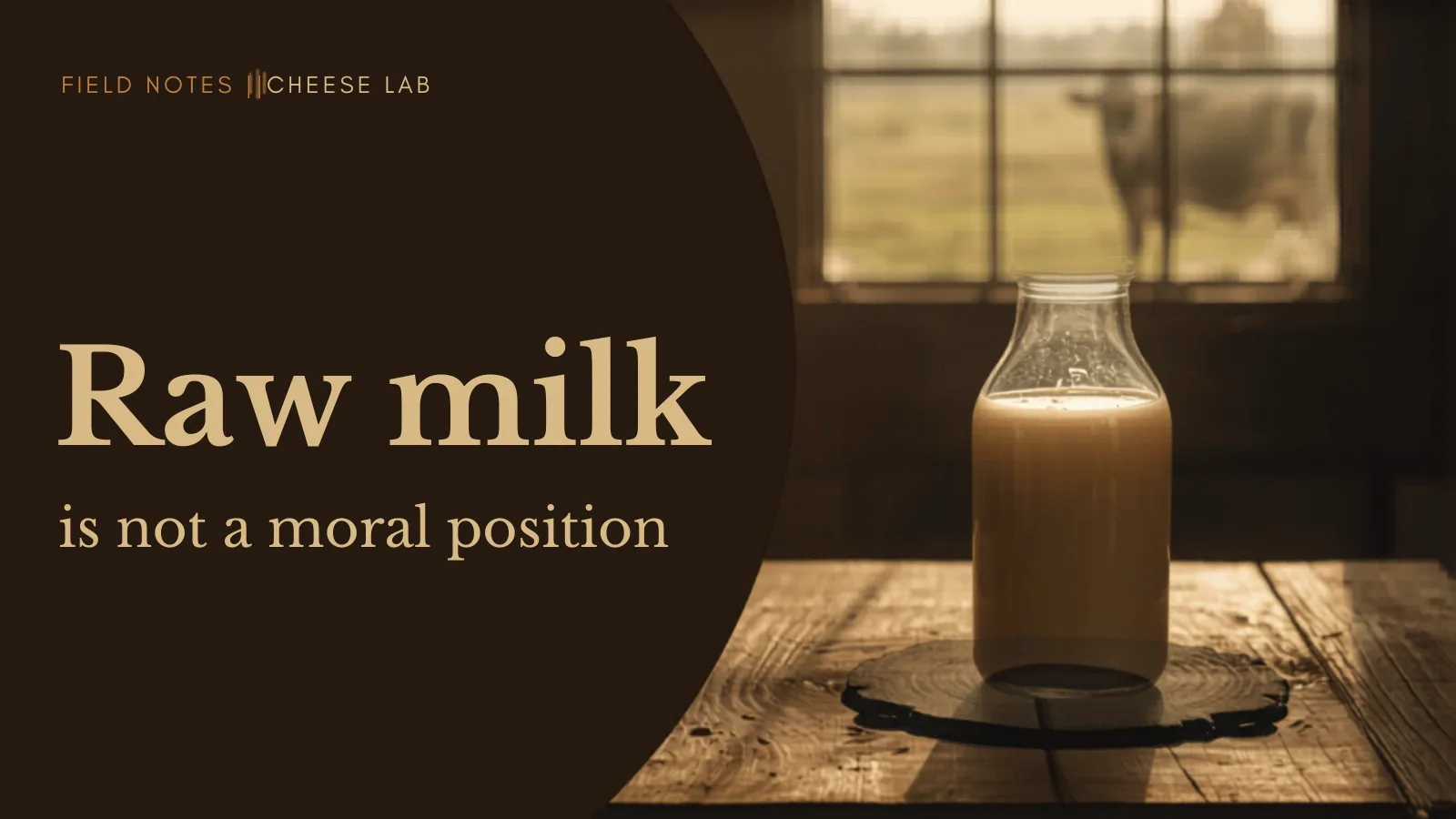
Raw milk is not a moral position
Some notes on why raw-milk cheeses are different, why that difference is not a virtue, and why you might still want to make one.
Monsieur Fromage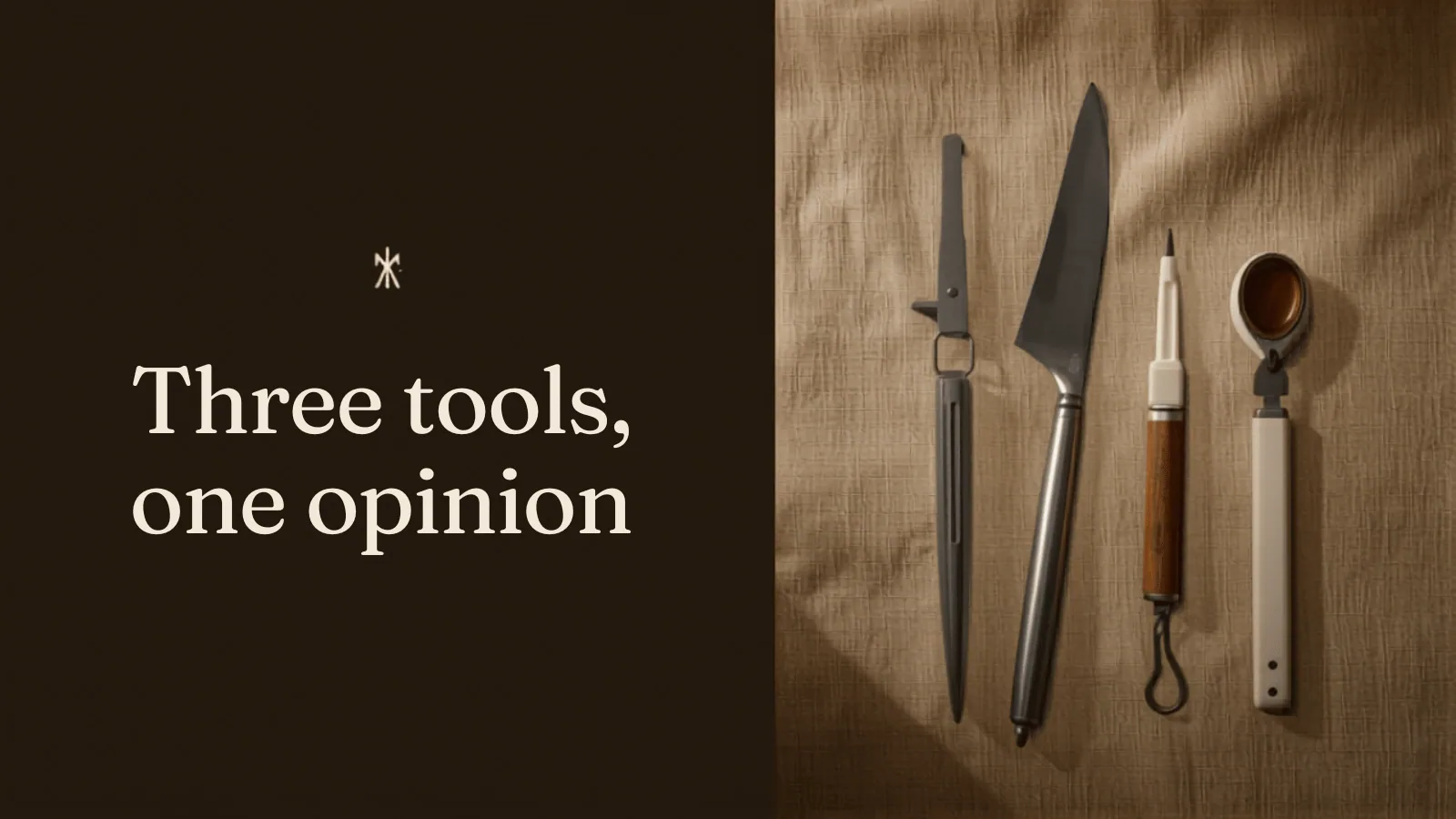
Three tools, one opinion
There is an enormous amount of cheesemaking kit on the internet. You need almost none of it.
Monsieur Fromage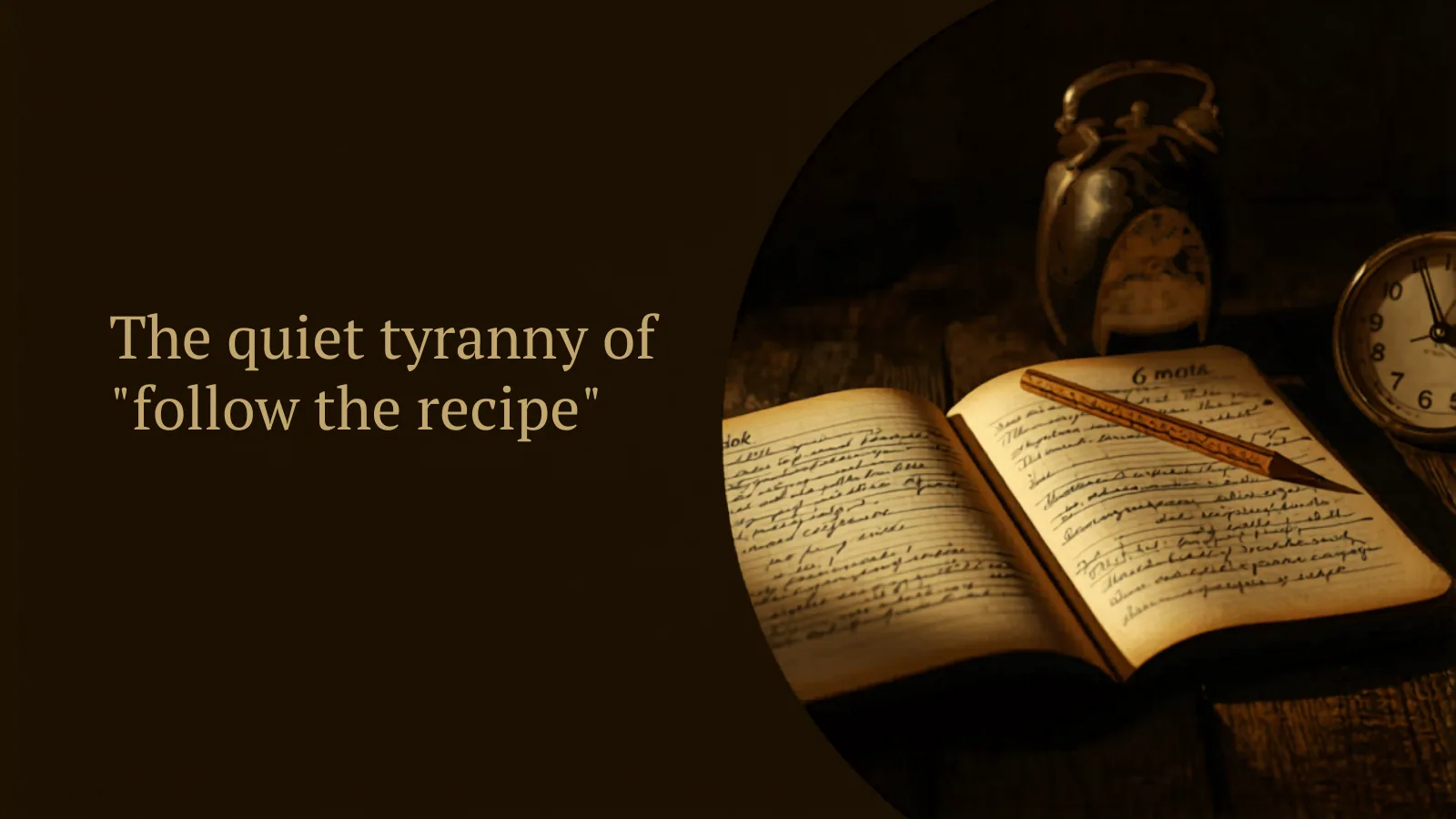
The quiet tyranny of 'follow the recipe'
Why the most dangerous sentence in cheesemaking is 'hold at 32°C for 45 minutes'.
Monsieur Fromage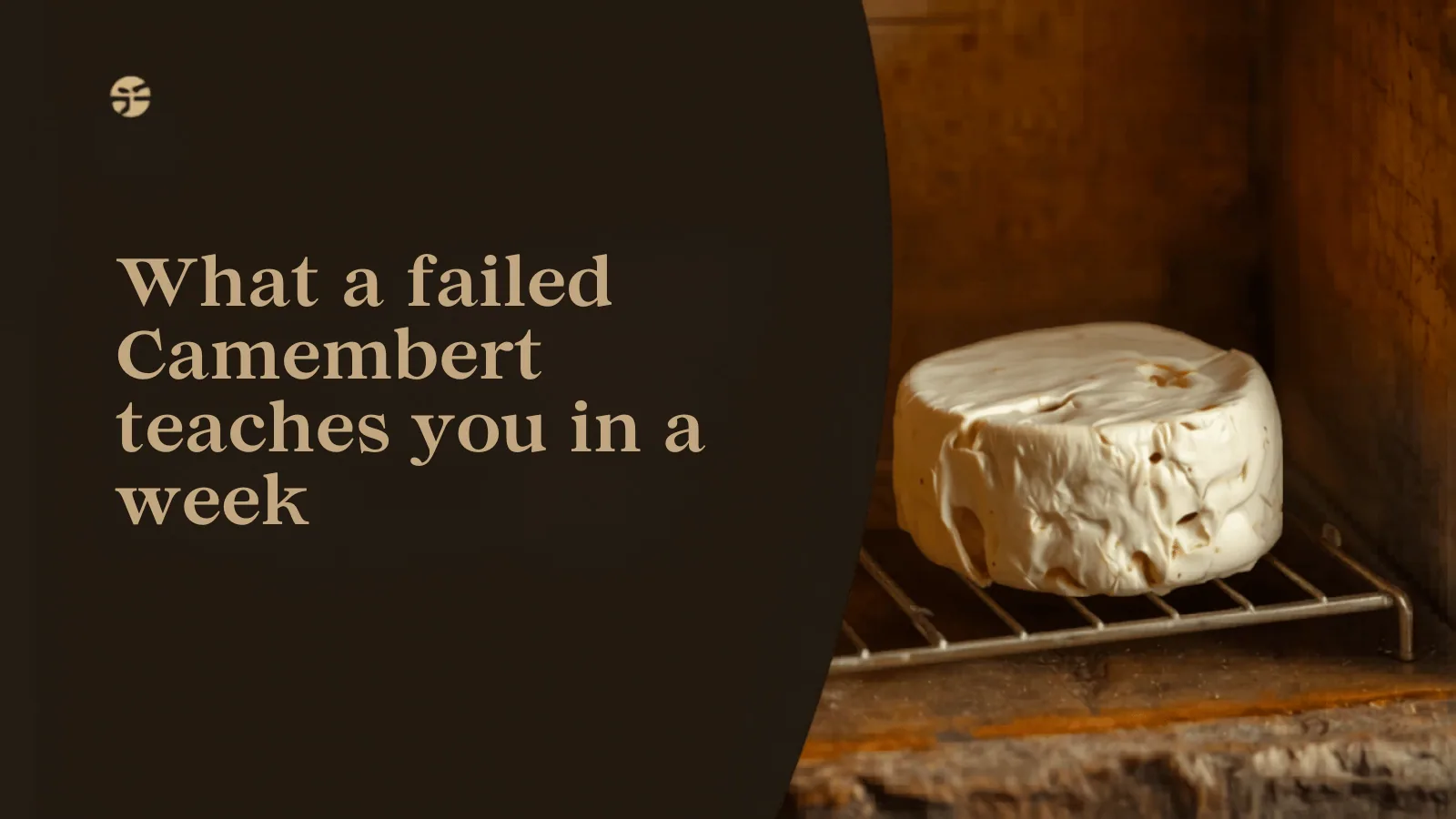
What a failed Camembert teaches you in a week
My third Camembert was ugly in a specific way. Here's what ugly means when a bloomy rind won't bloom.
Monsieur Fromage
A love letter to the pH meter (you should buy one)
Every cheesemaker eventually reaches the moment when they stop guessing. This is that moment.
Monsieur Fromage
Why my first Cheddar tasted like gym socks
The honest autopsy of a failed first Cheddar. The answer, as it almost always is, was pH.
Monsieur FromagePrefer a feed reader?RSS