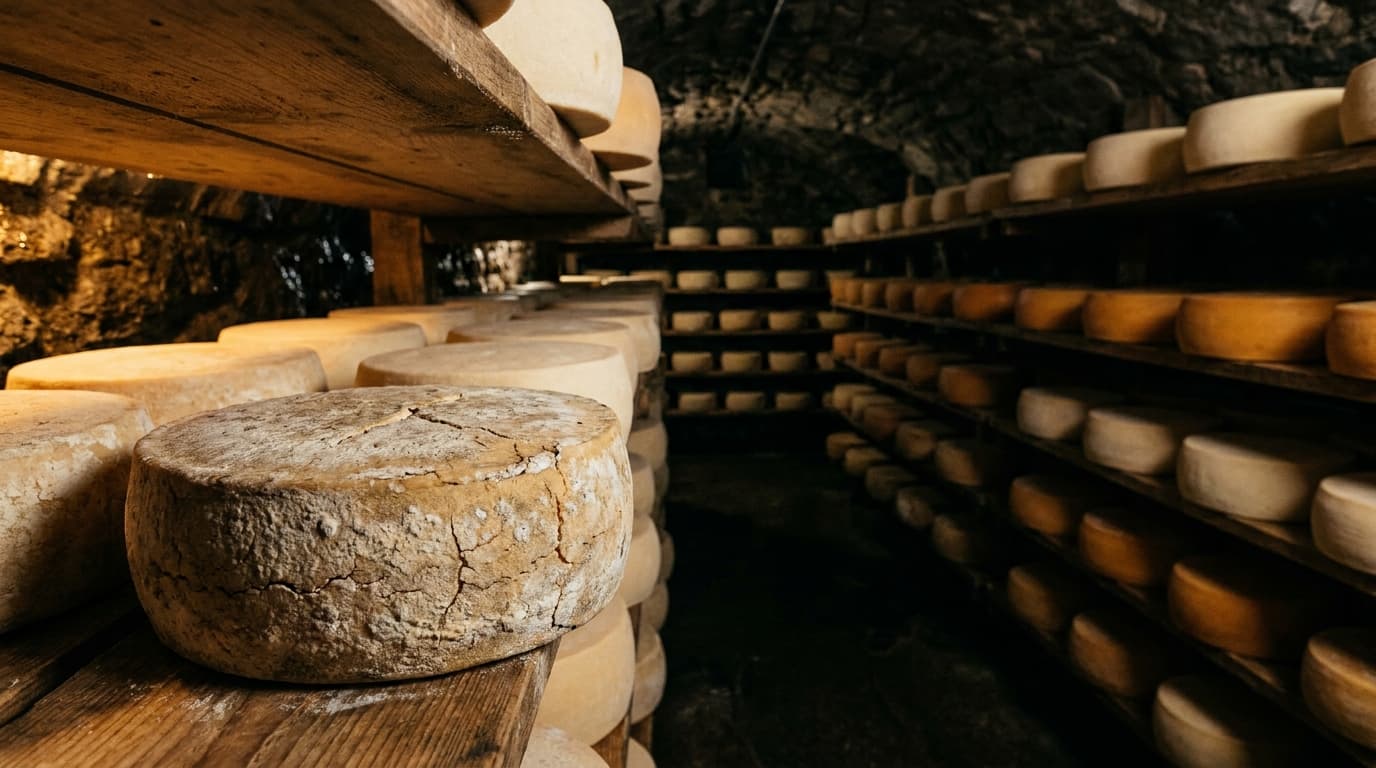
The Pillar
You can classify cheese by country of origin, by milk, by texture, by the beast that produced the milk, or by the shape of the wheel. But the most useful classification for cheesemakers is by process family — because the process decides almost everything else. This pillar walks through the major style families, what technically defines each, and how they relate to each other.
Why style classification matters for makers
When you know which family a cheese belongs to, you know roughly what technical choices to make: how acidic to get before renneting, what size to cut curd, whether to cook or wash it, how to salt, how to age. Family membership is a shortcut to an entire process. A cheesemaker who can place any cheese in its style family can also usually reverse-engineer a working recipe.
The seven major style families
- Fresh cheeses — unripened or minimally aged; mostly acid-coagulated.
- Soft-ripened (bloomy rind) — Camembert, Brie; Penicillium candidum on the surface.
- Washed-rind — Époisses, Munster, Taleggio; bacteria-led rind development.
- Semi-soft and semi-hard — Gouda, Havarti, tomme; pressed but still moist.
- Hard cooked-curd — Gruyère, Comté, Parmigiano; high cook temperature, low moisture.
- Blue — Roquefort, Stilton, Gorgonzola; internal Penicillium roqueforti.
- Pasta filata (stretched-curd) — mozzarella, provolone, caciocavallo; acidified curd stretched in hot water.
The key variables that define a style
Every cheese style is a combination of four or five key variables, even if the exact recipes have drifted over centuries of regional practice. Moisture level, curd treatment, pH at critical steps, salting method, and ripening approach together pin down a style. The Italian distinction between Grana and Pasta Filata, for instance, is almost entirely about what you do to the curd after it sets.
Styles are not nationalities
Almost every cheese style has regional cousins. What we call 'Cheddar' in the technical literature describes a process (cheddaring — the specific step where stacked slabs of curd are turned and matted) that appears in cheeses from Somerset to Wisconsin to the Nilgiri Hills. Gruyère-style cheeses exist far beyond Gruyère. This is good news for cheesemakers: style transfers, and the techniques used for one regional expression work for another.
Where hybrid cheeses fit
Some of the most interesting modern cheeses don't fit neatly. A washed-rind blue (Roquefort rubbed with brine), a stretched-curd aged Provolone, a lactic-set bloomy chèvre — these are hybrids that borrow techniques from multiple families. Understanding the families makes hybrids possible to reason about rather than mysterious.
Articles in Styles
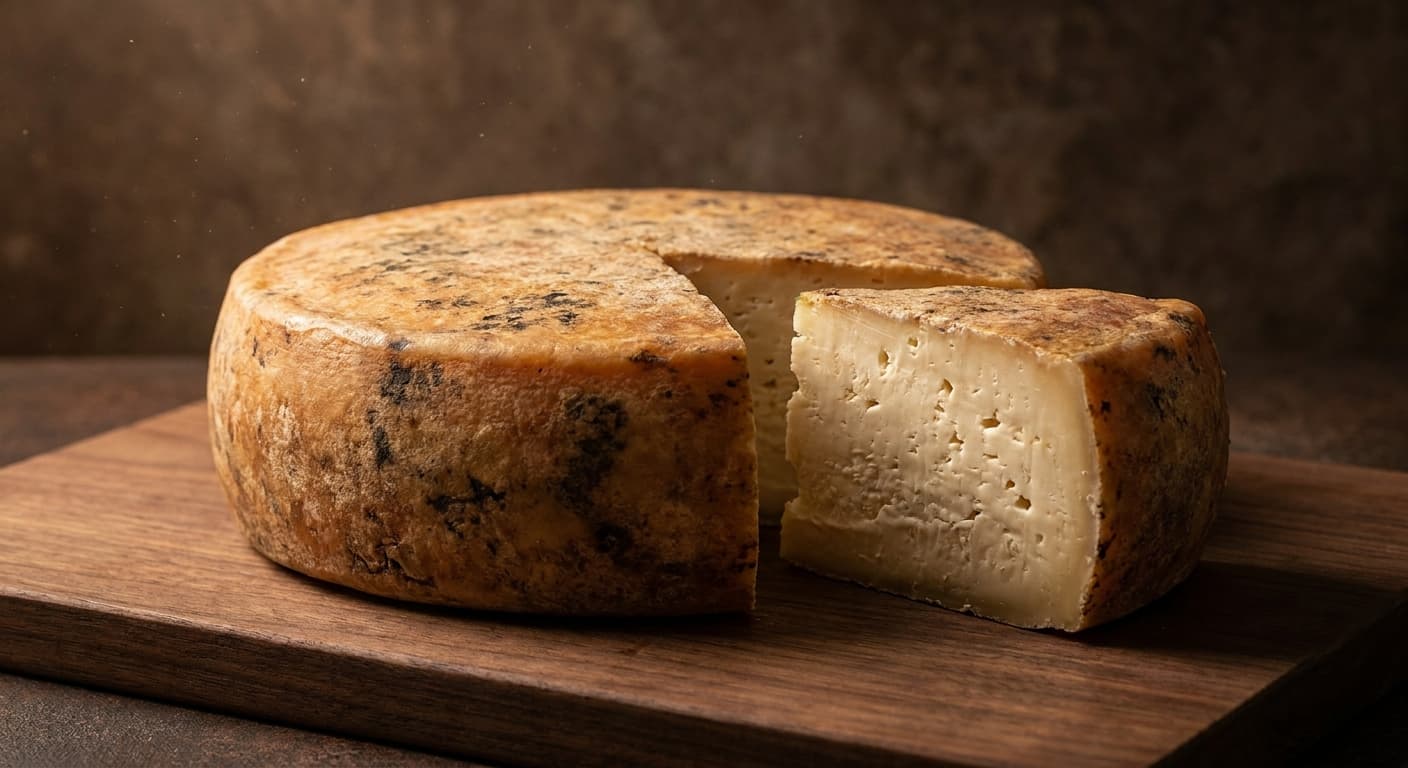
Hard Cheeses: Low Moisture, Long Memories
Hard cheeses like Parmigiano, Gruyère, and aged Cheddar depend on aggressive moisture removal and patient aging. A guide to how they're made and why they age so well.
8 min read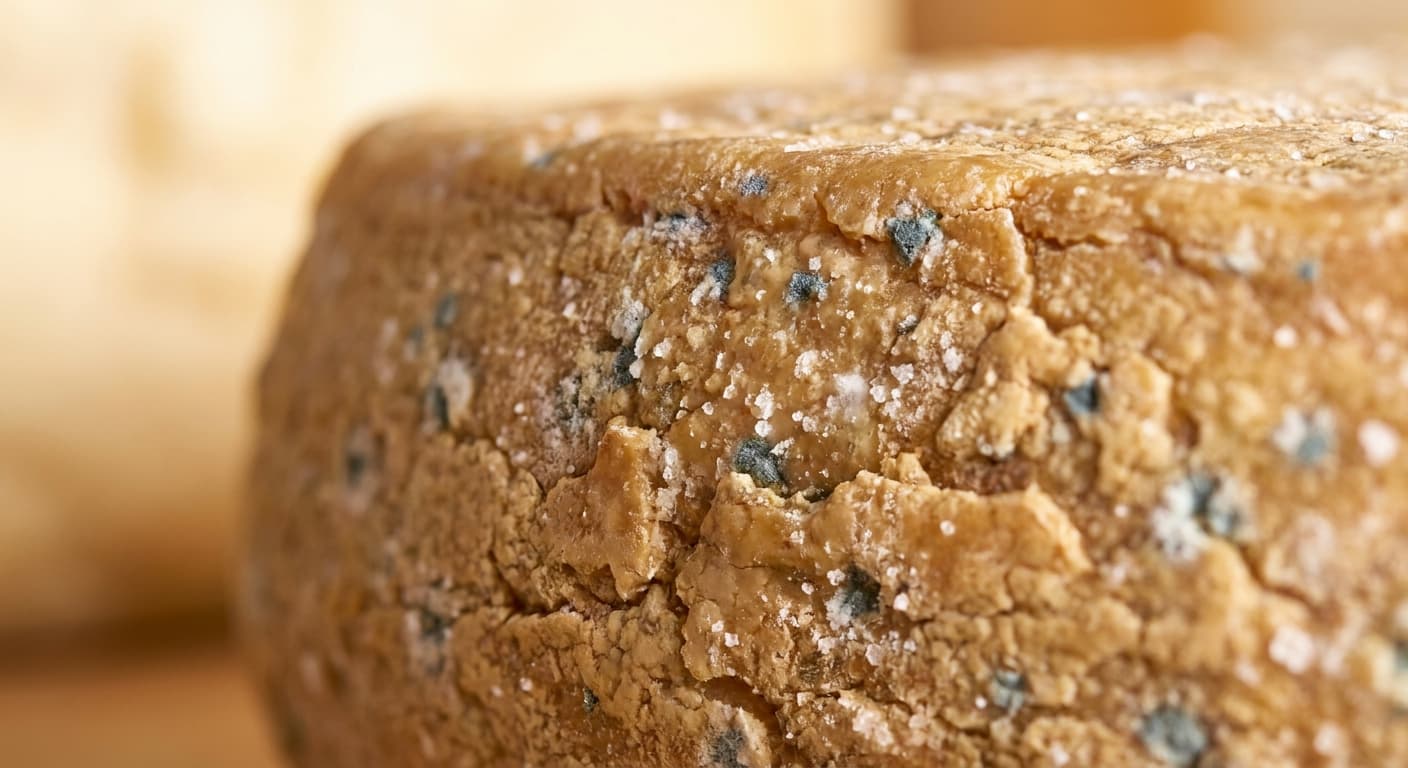
Soft-Ripened Cheeses: Cotton Rinds and Mushroom Notes
Brie, Camembert, and their white-mould cousins are defined by Penicillium candidum ripening inward from the rind. Here's how they're made and what goes wrong when they're not.
7 min readWashed-Rind Cheeses: The Stinkers and Their Secrets
Époisses, Taleggio, Munster, Limburger — the washed-rind family is the loudest in the cheese cave. Here's how the washing process builds that unmistakable character.
8 min read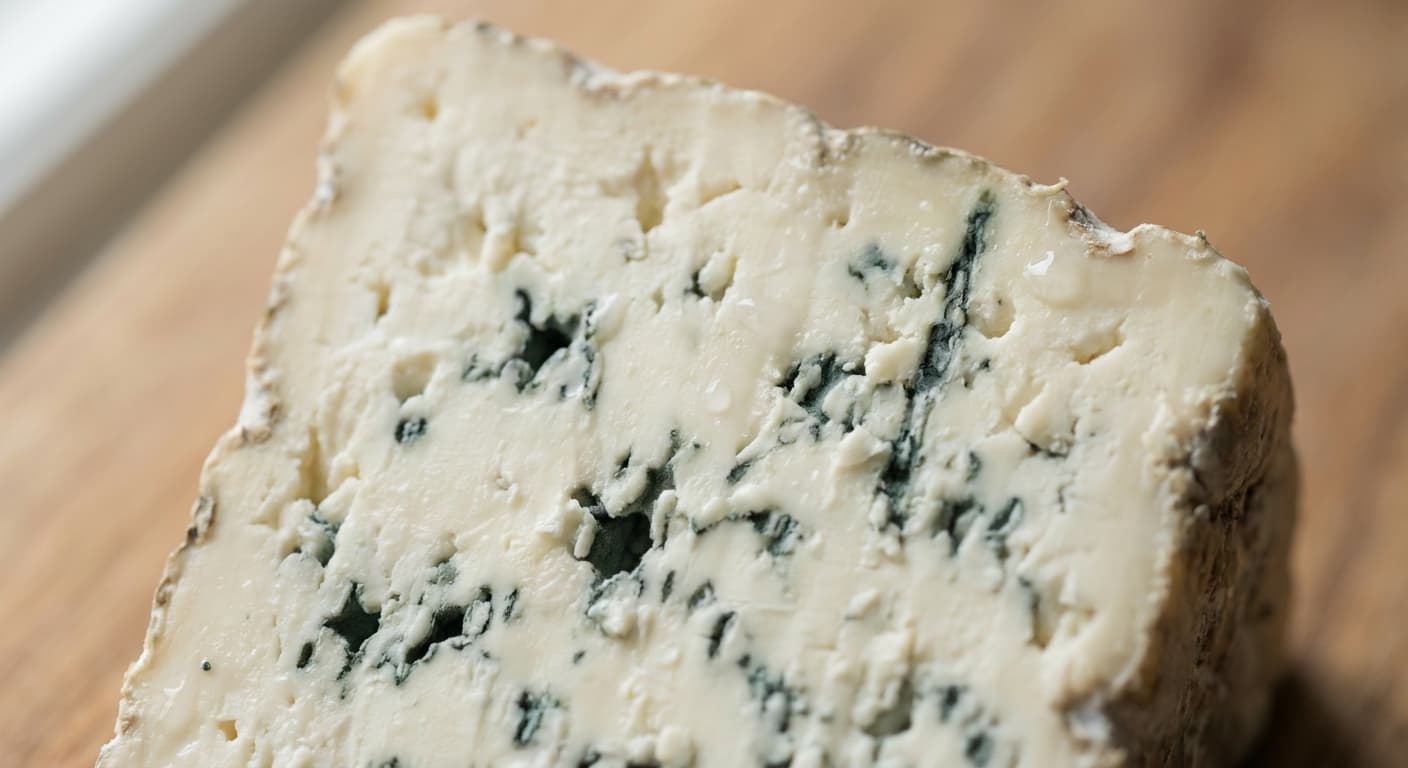
Blue Cheeses: Veins, Piquancy, and Controlled Mould
From Roquefort to Stilton to Gorgonzola — the blue-cheese family is united by Penicillium roqueforti growing through internal air channels. A maker's guide to the style.
8 min read
Pasta Filata: The Stretched-Curd Tradition
Mozzarella, provolone, scamorza, caciocavallo — the pasta filata family is built on one ingenious technique: stretching acidified curd in hot water.
7 min read
Common questions about styles
Is there an official cheese classification system?+
There are several — FAO, IDF, and various national systems — but none are universally used. Most cheesemakers work from a process-family taxonomy like the one in this pillar, which tracks how cheese is actually made.
Where do processed cheese and cheese-like products fit?+
Outside this taxonomy. Processed cheeses are emulsified blends of real cheeses with added salts and water; analogue cheeses substitute casein or other proteins. Both are distinct product categories, not cheese families.
Which style is easiest for a beginner?+
Simple fresh cheeses — paneer, ricotta, acid-set chèvre — teach you the fundamentals of coagulation and drainage without the complexity of aging. Then step up to a simple tomme or Caerphilly to learn pressing and short aging.