i · Workbench№ 01
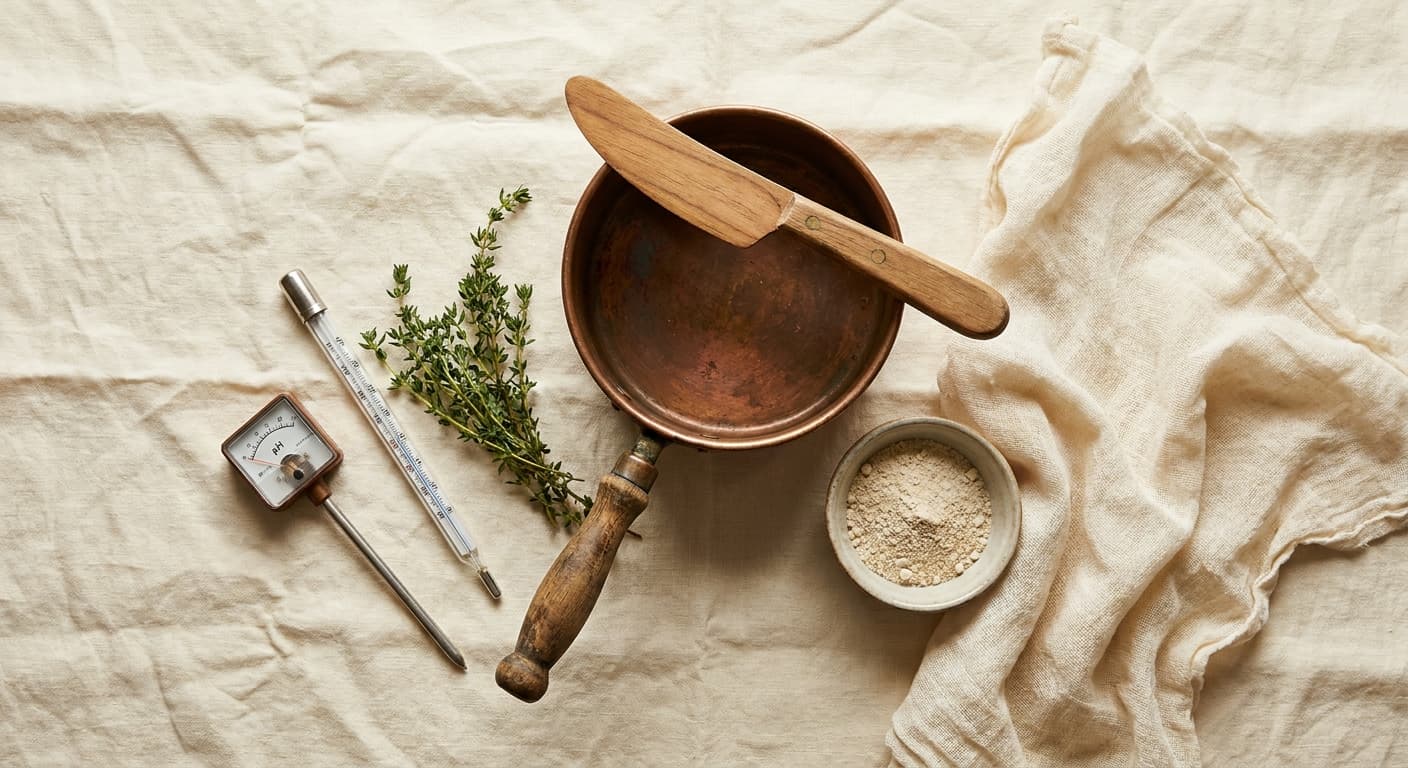
Design with the Lab
Choose milk, culture, aging, terroir, and add-ins. Get a science-aware analysis of viability, texture, recipe, and flavour — in seconds.
Open the Lab →Cheese Lab is where you design a cheese, see whether the recipe would actually work, and — if you make it — log what really happened so the prediction can be checked against reality. Backed by a deep library on the chemistry, craft, and tradition behind every decision.
Where cheese science meets the curd.
§ 02 · Instruments
Cheesemaking is science, process, and patience. Cheese Lab gives you something to help with each.
Choose milk, culture, aging, terroir, and add-ins. Get a science-aware analysis of viability, texture, recipe, and flavour — in seconds.
Open the Lab →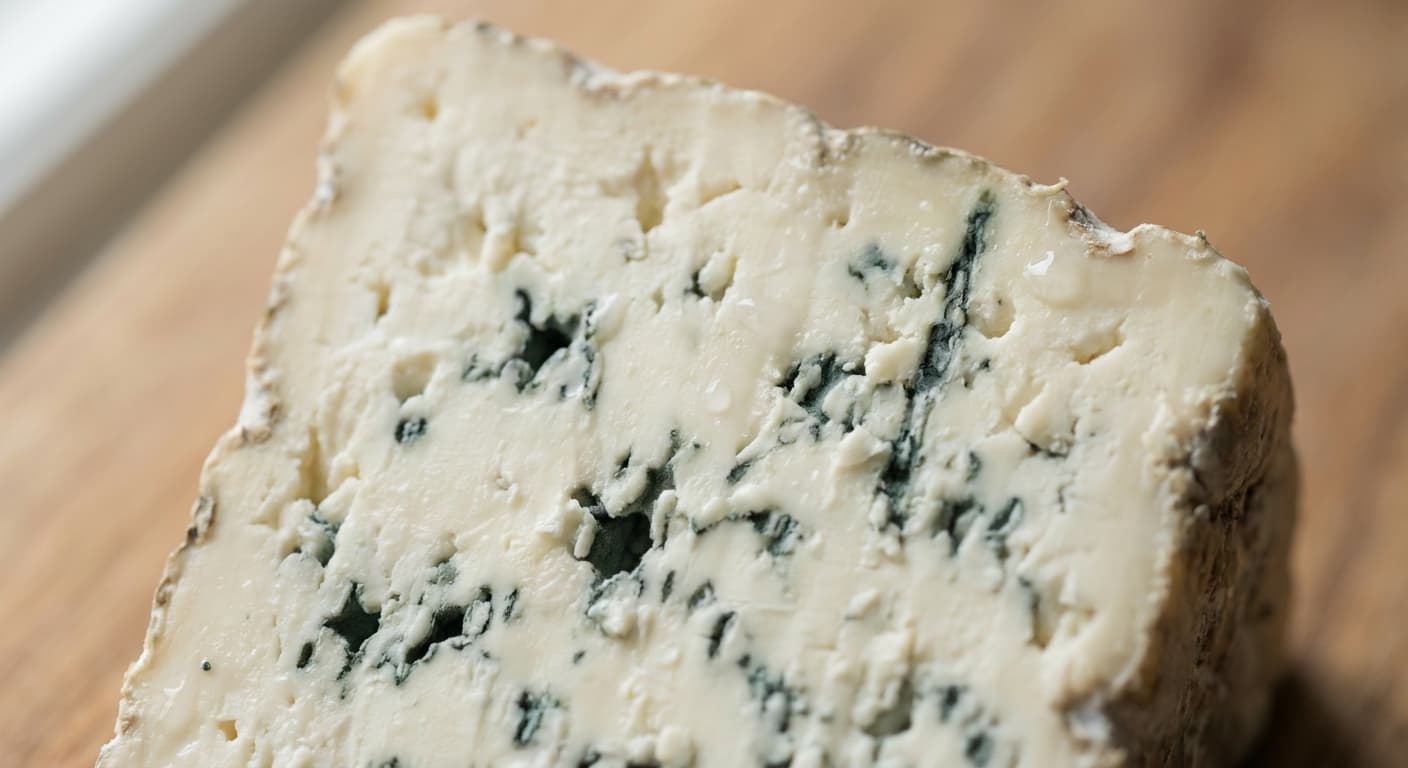
Five deep pillars — science, styles, techniques, ingredients, biology — with working-cheesemaker explanations and reference-grade depth.
Explore the library →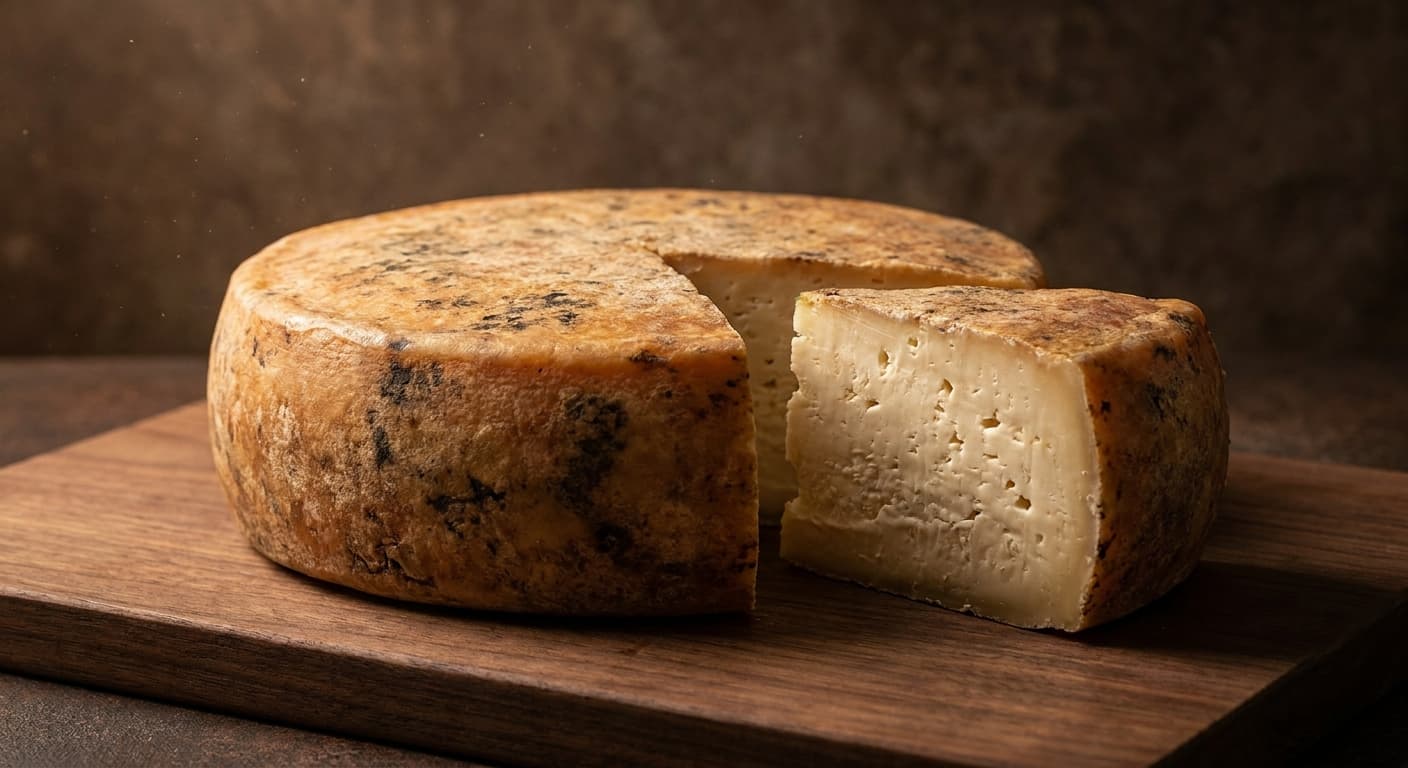
Save every creation, publish selected ones to the gallery, and — for make-journal members — log the real make with photos and temperatures, then close the loop with a Final Conclusion that rates the cheese against the AI's prediction.
See the gallery →Each silo builds from principles to practice. Read the pillar as an overview, then drop into the clustered articles to go deep.
Deep, working explanations of the chemistry, microbiology, and physics that turn milk into cheese — written for cheesemakers, not textbook readers.
Cheesemaking is a biology problem before it is a chemistry one. This pillar covers lactation, dairy genetics, lactic acid bacteria, bacteriophages, and the modern biotechnology quietly reshaping every commercial vat.
Hard, soft, washed-rind, blue, stretched-curd — the major families of cheese explained from a maker's perspective, with the defining techniques and microbiology of each.
From starter cultures and rennet to pressing, salting, and affinage — the practical techniques every cheesemaker relies on, explained with clear reasoning.
What goes into a cheese beyond technique — milks by animal and season, raw versus pasteurised, salt, cultures, herbs, and the elusive idea of terroir.
§ 03 · Reference
Over twenty plain-English definitions — mesophilic vs thermophilic, pasta filata, washed rind, affinage, pH, casein, rennet, terroir — each with a short answer and a link into the deep-dive article. Bookmark it; come back when a word trips you up.
Open Cheesemaking 101 →Most cheese writing aimed at home cooks talks around the subject — lots of romance, little substance. Most academic writing is inaccessible. Cheese Lab is the middle: technically accurate, practically useful, and written to be read.
If you're measuring pH and wondering why your cheese keeps crumbling, if you want to know what actually happens during affinage, or if you just want a well-paced intro to casein — this is the place.
About the project →
Cheese Lab is an education-first workbench for cheesemakers. It pairs a science-aware cheese configurator with a five-pillar library (science, biology, styles, techniques, ingredients) and lets you save, revisit, and share your own creations.
Home cheesemakers, craft-curious beginners, culinary and dairy-science students, and working artisan producers. The tooling is gentle enough for a first cheese and precise enough for a batch log.
Reading the full library and browsing the public gallery are free and need no account. Designing a cheese in the Lab currently needs only a free Google sign-in — that unlocks the AI analysis, saving to your collection, sharing to the gallery, and cheese-locked chat. An invite-only contributor tier adds maker's notes, the make-journal timeline (dated temperatures, photos, observations), and a Final Conclusion — a per-dimension rating of how the cheese actually turned out, which the chat assistant treats as ground truth over the AI's original prediction. The tools are free today; as the project grows, the deeper tiers will likely move to paid.
Yes. Alongside the chemistry pillar, a dedicated Biology & Biotechnology pillar covers lactation, dairy genetics, lactic acid bacteria, bacteriophages, fermentation-produced chymosin, and the food-safety microbiology every cheesemaker should understand.
The learning library is written in plain language but grounded in dairy-science literature. Every pillar covers the measurable, testable mechanisms behind the craft — not mystique.
The Lab takes about thirty seconds to configure and gives you a full analysis in a minute. Sign in free with Google to run it.
Open the Lab