The Pillar
Cheese is a process — a sequence of techniques that each build on the last. A beginner making a soft cheese uses fewer of these than a Comté affineur, but the vocabulary is shared, and the underlying principles are the same across the whole tradition. This pillar walks through the main techniques, in roughly the order you encounter them in any make.
The sequence of a typical cheesemake
- Standardise and warm the milk to the appropriate temperature.
- Add starter culture; let it acidify (the 'ripening' step).
- Add rennet; let the milk coagulate into a curd.
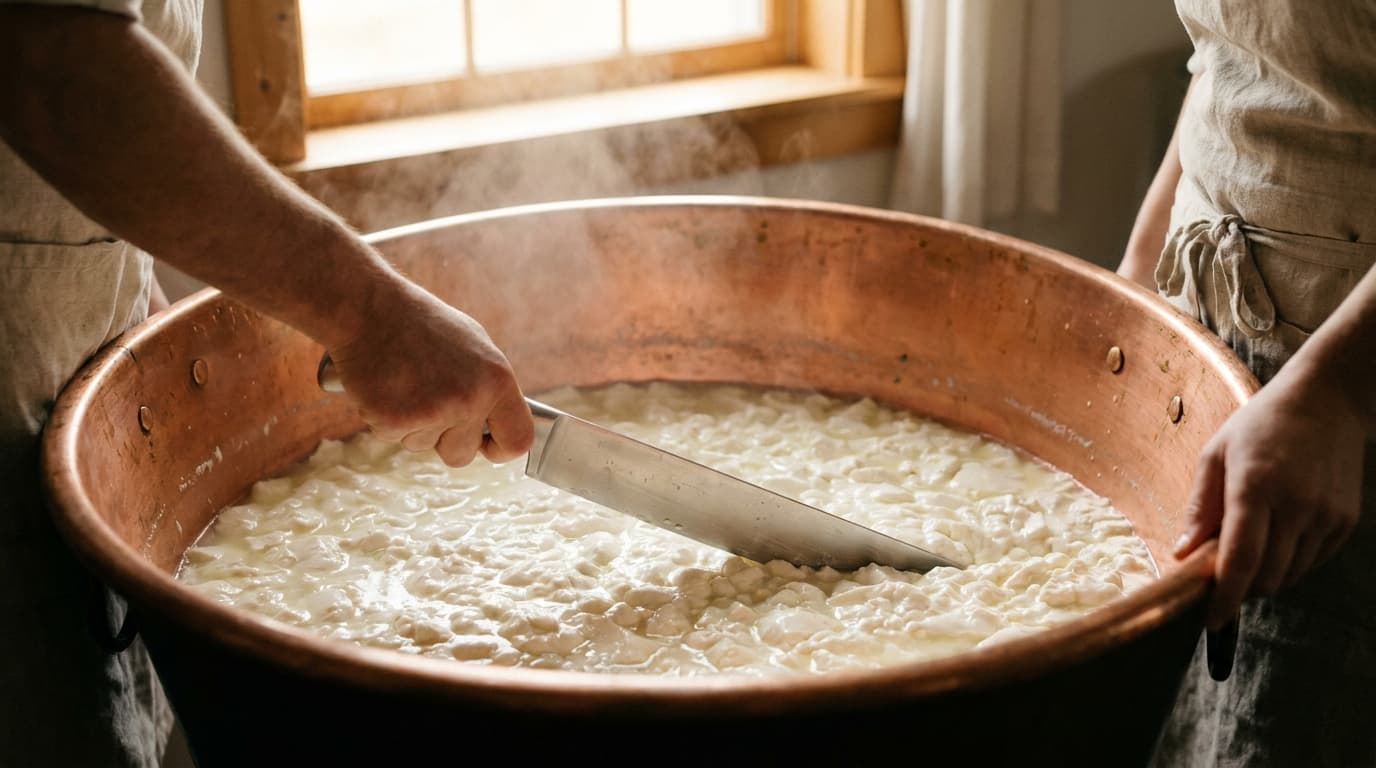
- Cut the curd to the target size.
- Stir and optionally cook the curd to expel whey.
- Drain, pre-press, or mill the curd.
- Salt (in brine, dry rub, or mixed into the curd).
- Shape in moulds; press if required.
- Age in controlled conditions — affinage.
Why the order matters
Every step changes the physical and chemical state of the curd, and every subsequent step assumes that change. You can't press before draining; you can't cook effectively before cutting. More subtly, the timing and pH at each step — not just whether you did the step — is what locks in the final cheese. A curd cut at pH 6.55 behaves completely differently from the same curd cut at pH 6.45, even if the clock times look similar.
What a good cheesemaker tracks
Good cheesemakers run two clocks in parallel: the clock time and the 'cheese time' as measured by pH and temperature. They track temperature at vat ripening, at renneting, at cutting, at cooking, and during press. They track pH at set, at drain, at press, and out of press. And they track subjective observations — curd feel at cut, whey clarity at drain, dryness at press — to build intuition over batches.
Hygiene runs through everything
Cheesemaking is a sequence of intentional microbial steps; every uninvited microbe is a threat to that intent. Clean everything before use, not just after. Sanitise, don't just wash. Keep aging rooms and make rooms separated to prevent cross-contamination. Wear a clean apron, cover your hair, and — probably the single biggest factor in small-dairy hygiene — change your cloths regularly.
Articles in Techniques
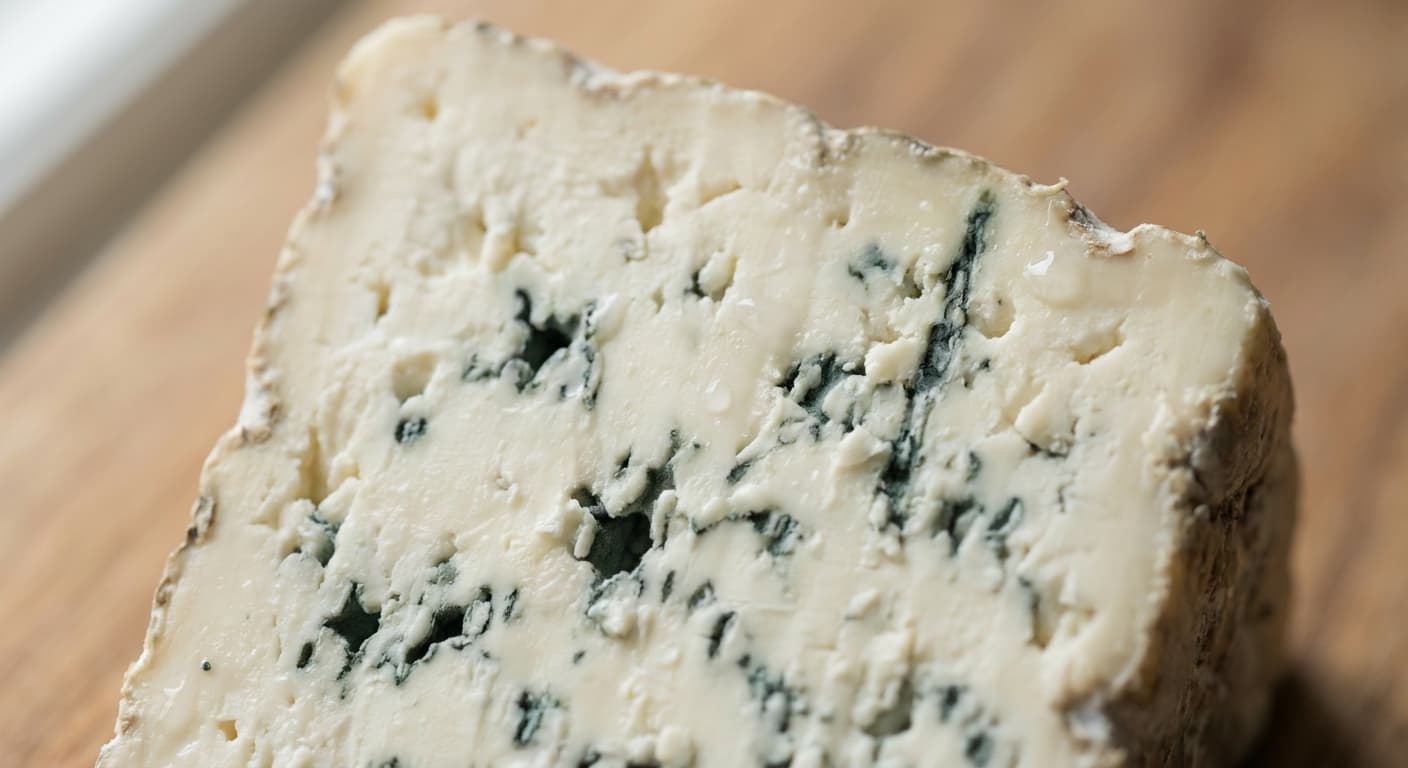
Starter Cultures: The Bacteria That Do the Work
A working guide to starter cultures — mesophilic vs thermophilic, direct-vat vs mother culture, single-strain vs mixed — and how to choose them for your cheese.
8 min read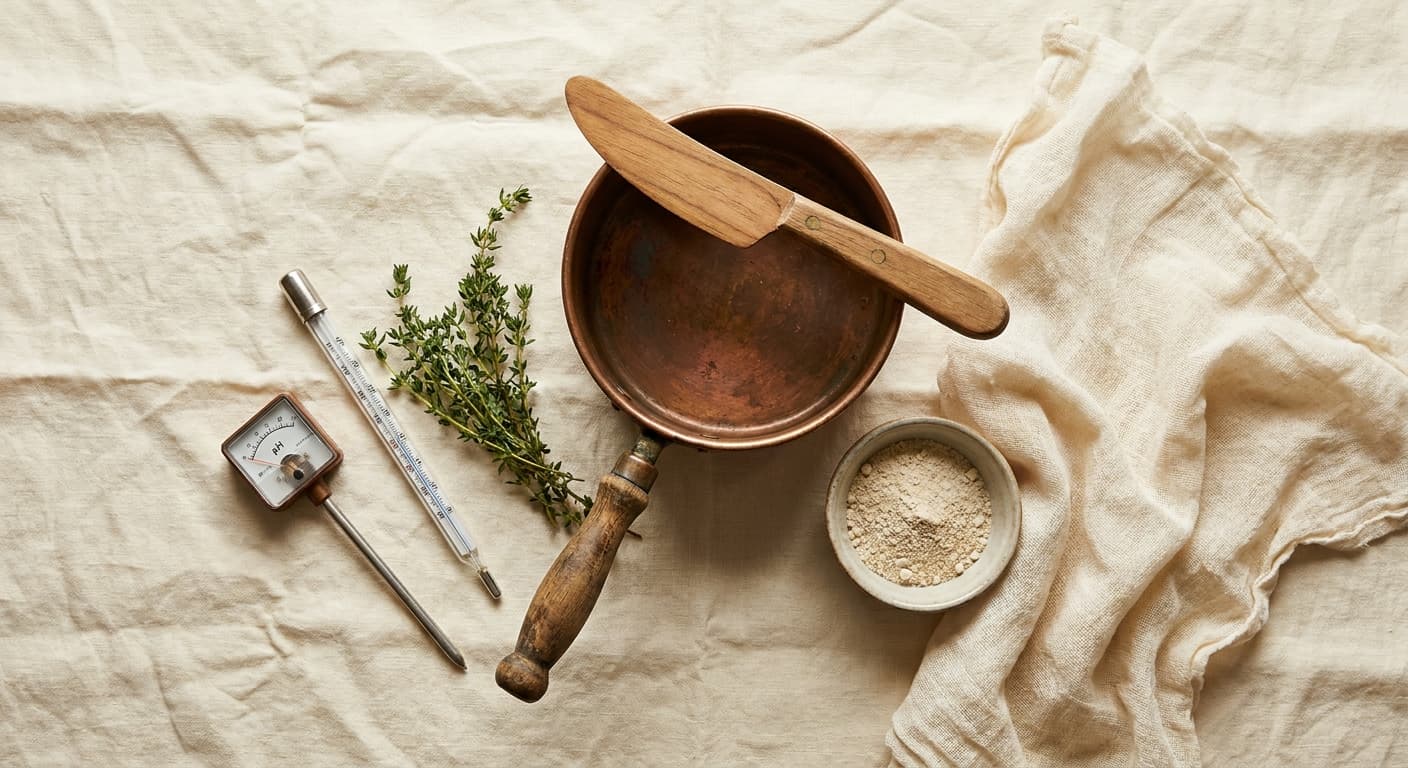
Rennet and Coagulation: Choosing the Right Coagulant and Using It Well
Types of rennet, how to dose it, how to recognise a proper set, and the flocculation-point method for picking the right cut time.
8 min readCutting and Cooking the Curd: The Texture-Setting Steps
Cutting the curd and cooking (scalding) it are the main mechanical levers cheesemakers use to dial in moisture and texture. Here's how to use them.
7 min readPressing and Shaping: Consolidation, Rind Development, and Common Faults
How pressing consolidates curd into a cheese, when to press hard versus gently, and how to diagnose the common faults pressing causes.
7 min read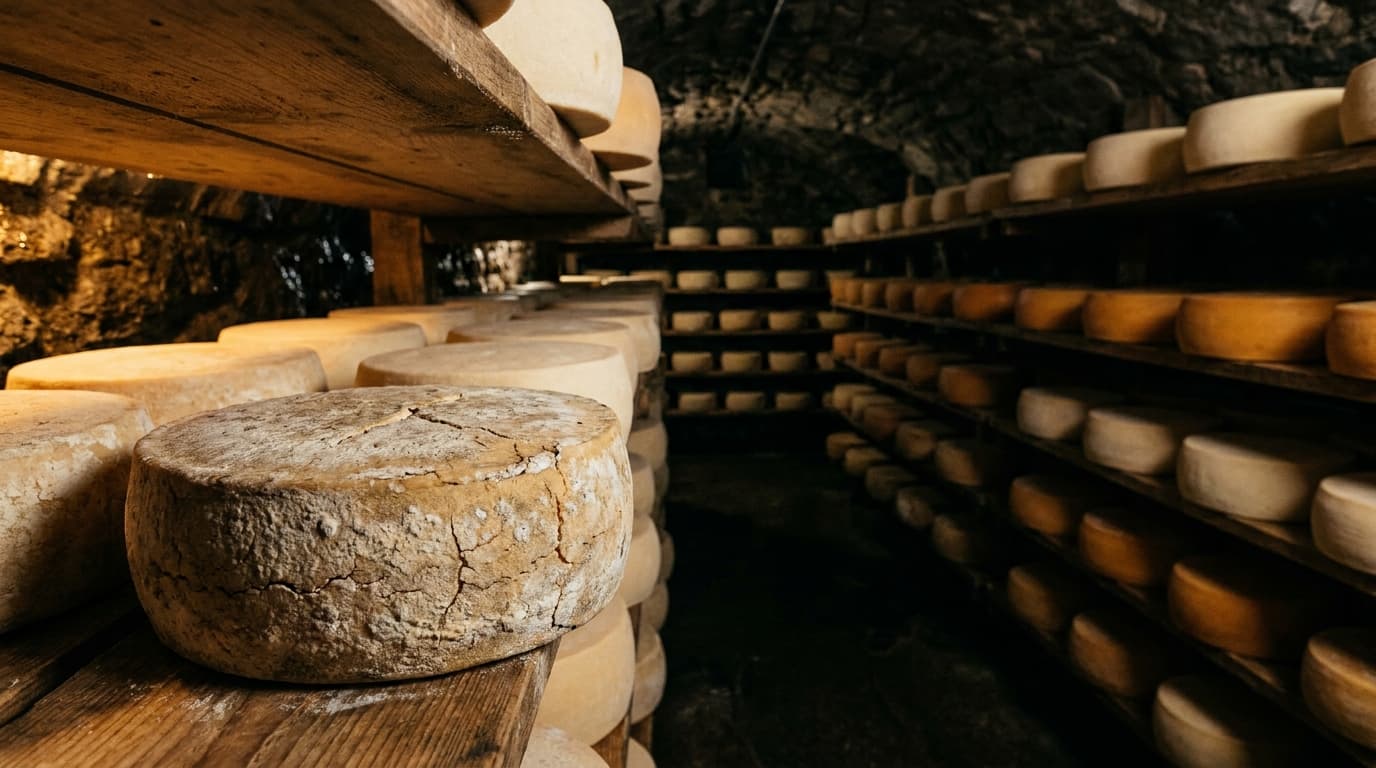
Affinage: The Art and Science of Aging Cheese
Affinage is what turns a pressed cheese into a mature one. A guide to temperature, humidity, turning, washing, and the other decisions affineurs make every day.
9 min read
Common questions about techniques
How long does it take to learn the basic cheesemaking techniques?+
You can make a passable fresh cheese on your first attempt. Getting consistent at semi-hard cheeses typically takes twenty to thirty batches over a season; mastering any one style takes years. The techniques themselves are learnable in weeks; the judgement takes practice.
What equipment do I actually need to get started?+
A thermometer you trust, a pH meter (mid-range digital is fine), a large stainless pot, a long-handled spoon, a curd knife, a draining bag or cloth, and a few moulds appropriate to your style. Everything else is optimisation.
Can I learn cheesemaking entirely from books and videos?+
You can get surprisingly far, especially for fresh and soft cheeses. For hard cheeses and rind-ripened styles, spending a day or two with a working cheesemaker is worth months of self-study. The sensory knowledge transfers better in person.