- ✓The microbial community is layered: starters, adjuncts, surface ripeners, and native contributors.
- ✓Different cheeses are really different communities expressed in similar curd.
- ✓Raw-milk cheeses have the richest and most unpredictable microbiota — both a feature and a risk.
The four-layer model
Think of the microbial community in a cheese as having four layers. Starter bacteria acidify the milk during the make. Secondary or adjunct cultures — added alongside or after — produce flavour, CO₂, or specific textural effects. Surface ripening cultures colonise the rind and run the late flavour development. Native or environmental microbes, from the milk or the aging room, contribute complexity that no lab culture can fully replicate.
Starters: the workhorses
Mesophilic starters (Lactococcus lactis subsp. lactis, L. lactis subsp. cremoris) thrive at 22–30°C and are used for most soft and semi-hard cheeses. Thermophilic starters (Streptococcus thermophilus, Lactobacillus helveticus, L. delbrueckii) like it warmer, 37–45°C, and are used for stretched-curd and Italian-style hard cheeses. Some starters — often called DL-type, for their Leuconostoc component — produce CO₂ and diacetyl, giving the buttery flavour and small eyes of cheeses like Gouda and Havarti.
Ripening cultures: the flavour engineers
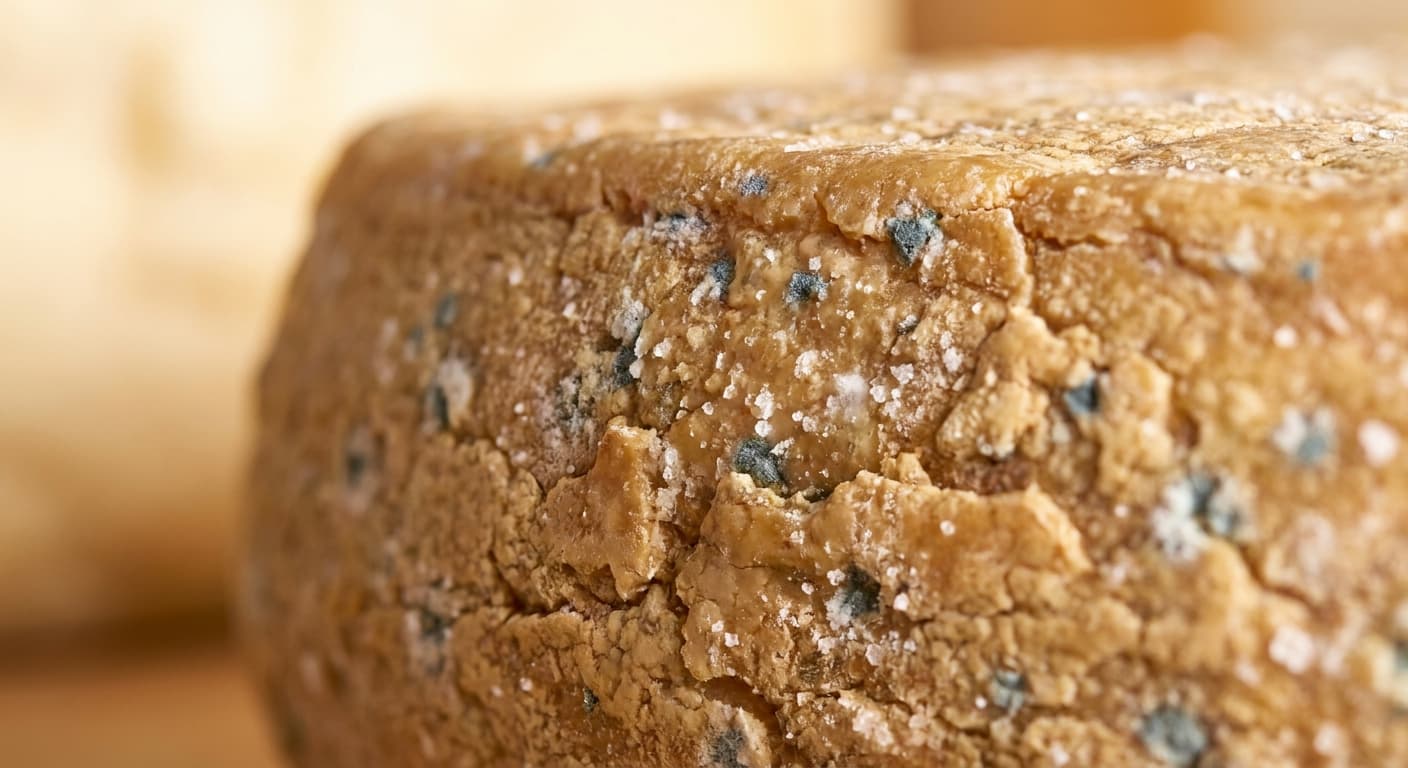
- Penicillium candidum and P. camemberti: white moulds on Brie, Camembert.
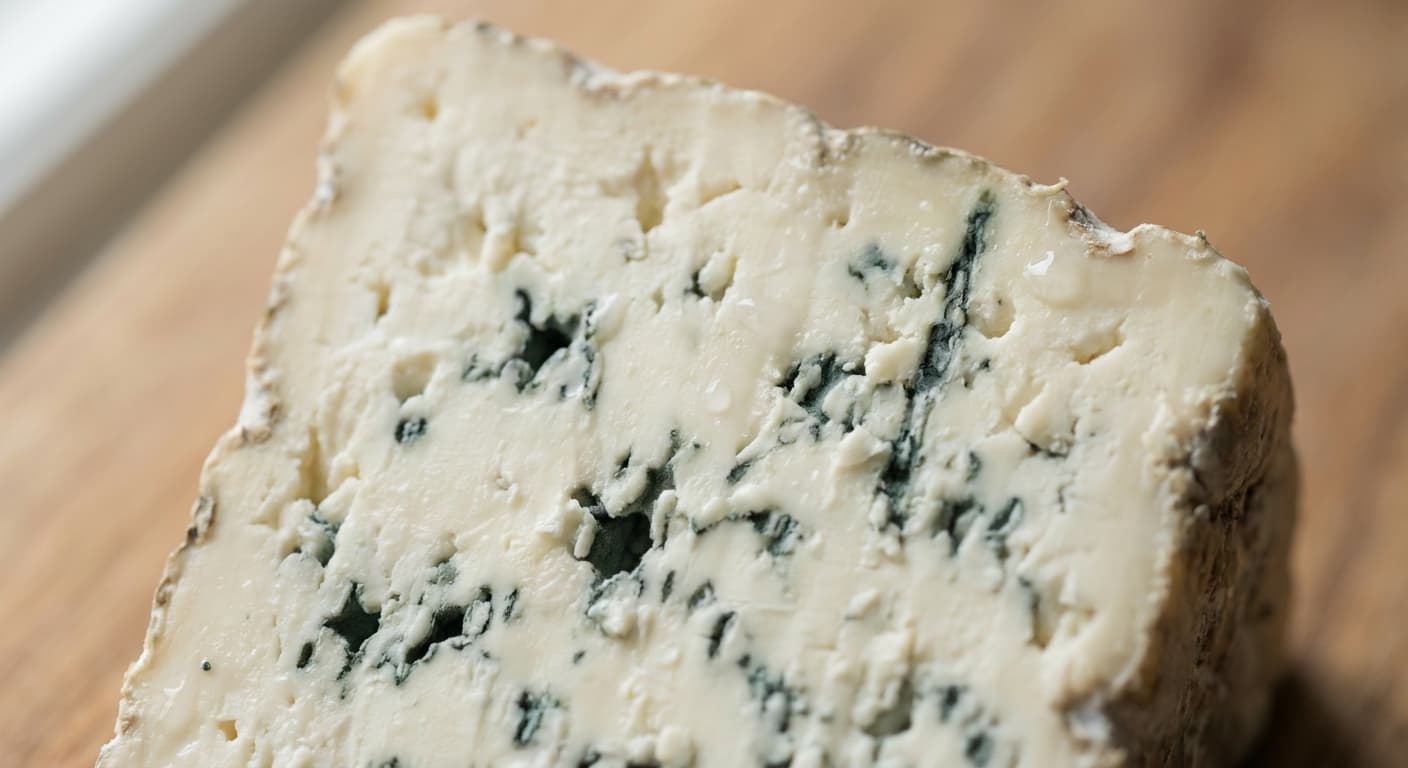
- Penicillium roqueforti: blue mould in Roquefort, Stilton, Gorgonzola.
- Brevibacterium linens: orange-pigmented surface bacterium on washed-rind cheeses; creates the aroma.
- Geotrichum candidum: white-to-wrinkled yeast-mould hybrid on many natural and bloomy rinds.
- Propionibacterium shermanii: makes CO₂ eyes and the sweet nutty note in Emmental.
- Debaryomyces hansenii and Kluyveromyces lactis: salt-tolerant yeasts that start rind succession.
Succession: the community changes over time
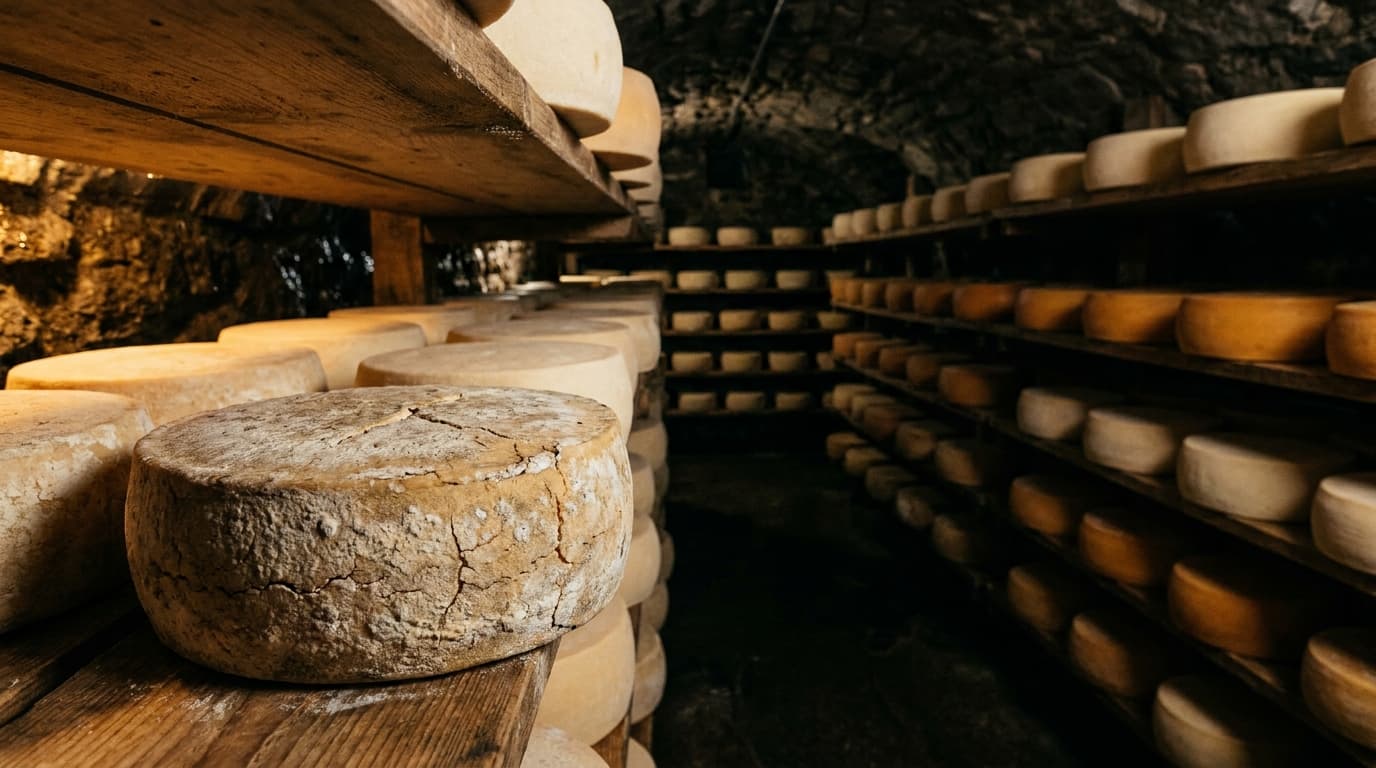
A fresh wheel has one microbial landscape. Two weeks later, another. Six months in, it's different again. Early colonisers (yeasts) deacidify the surface and prepare it for bacteria. Bacteria (B. linens, coryneforms) take over, producing pigments and aromatic compounds. Late, as the cheese dries, the community simplifies again. A good cheese aging programme doesn't just preserve the cheese — it shepherds the community through its successional stages.
The dark side: spoilage and pathogens
Unwanted residents include coliforms (early gas production, off-flavours), Clostridium tyrobutyricum (late blowing, butyric stink), and the pathogens that regulators worry about: Listeria monocytogenes, pathogenic E. coli, Salmonella. A well-run cheesemake suppresses these through acid development, salt, moisture control, and hygiene — not through one magic step, but through the whole process. Testing is non-negotiable for commercial production.
Raw vs pasteurised from the microbial lens
Pasteurisation sterilises most of the native community, leaving a cleaner canvas where added cultures dominate. Raw milk carries a rich, variable, seasonal microbiota — farm-specific, pasture-specific, sometimes animal-specific — and that community contributes flavour and complexity that added cultures can't fully replicate. The trade-off is control: raw milk is less predictable and more regulated for food-safety reasons. Neither is categorically better; they are different canvases.
Frequently asked
Can I reuse my aging room between different cheese styles?+
Yes, but carefully. Cross-contamination between blue-mould and white-mould cheeses especially is a real problem — P. roqueforti can take over a bloomy rind in days. Either separate rooms or strict rotation and sanitation.
Do probiotic cultures make 'healthier' cheese?+
Some starters and adjuncts are indeed probiotic strains, and aged cheese is a decent vehicle for delivering them. Don't pick a cheese for health reasons, though — pick it because it's good.