- ✓Temperature and humidity are the two primary levers; most aging happens at 10–14°C and 85–95% RH.
- ✓Turning, wiping, brushing, and washing are the manual interventions that keep cheese developing evenly.
- ✓Every style has its own aging window — neither too short nor too long — and finding it is a skill.
The aging environment
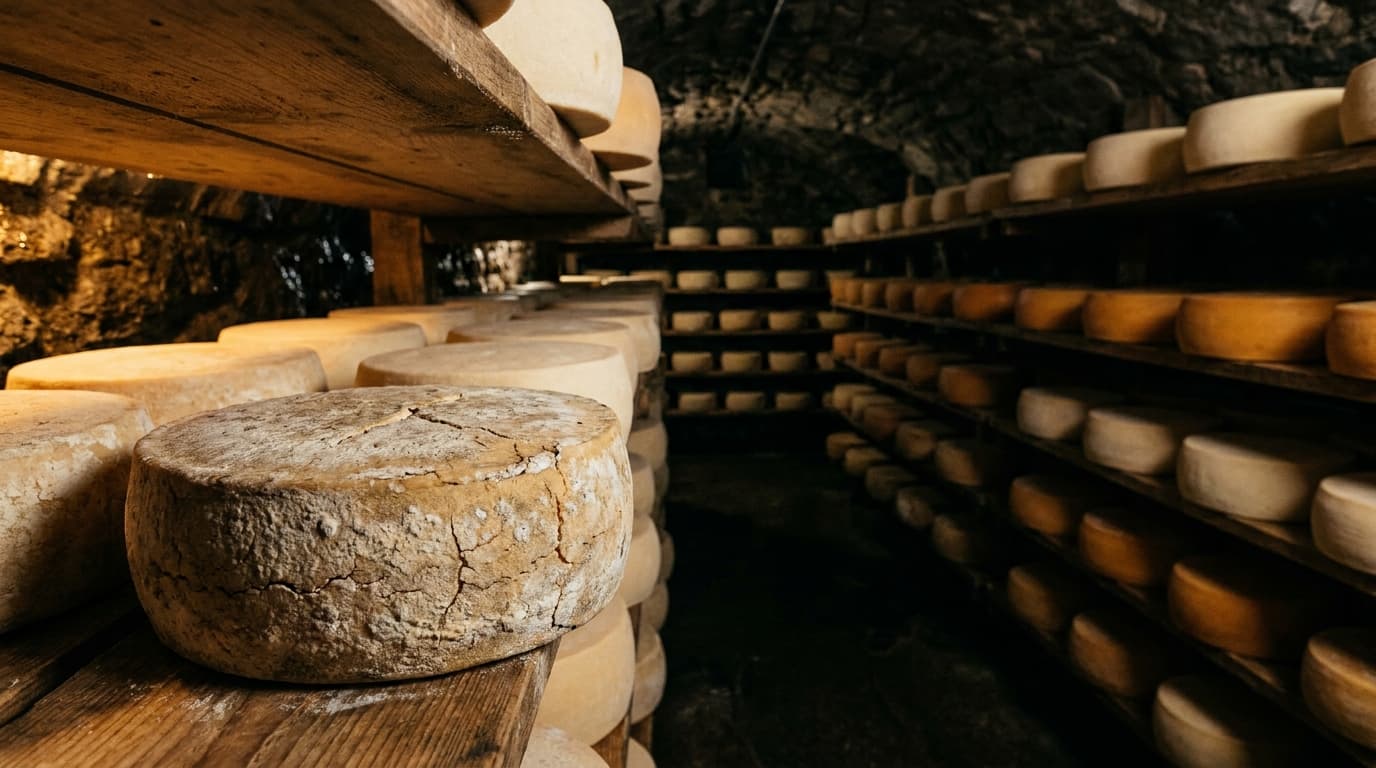
Every aging space is defined by three numbers: temperature, relative humidity, and airflow. Temperature governs enzymatic rate — roughly doubling with every 10°C increase. Humidity governs the rate of surface water loss, which determines rind formation and how much moisture stays in the cheese. Airflow — gentle, constant — prevents pockets of still, humid air where unwanted moulds thrive.
Building an aging space
At home or in a small dairy, the most common aging setups are a dedicated wine fridge, a converted chest freezer with a temperature controller (a 'cheese cave'), or a genuine cellar. Humidity is typically the harder variable — too low is common, and supplementing with a small humidifier, moist towels, or open water trays is standard practice. A data logger that records temperature and humidity over time is worth its cost many times over.
Separate bloomy-rind and washed-rind cheeses. The microbes from washed-rinds (B. linens, coryneforms) will colonise and overrun bloomy rinds within days. If you only have one cave, choose one family at a time.
The manual interventions of affinage
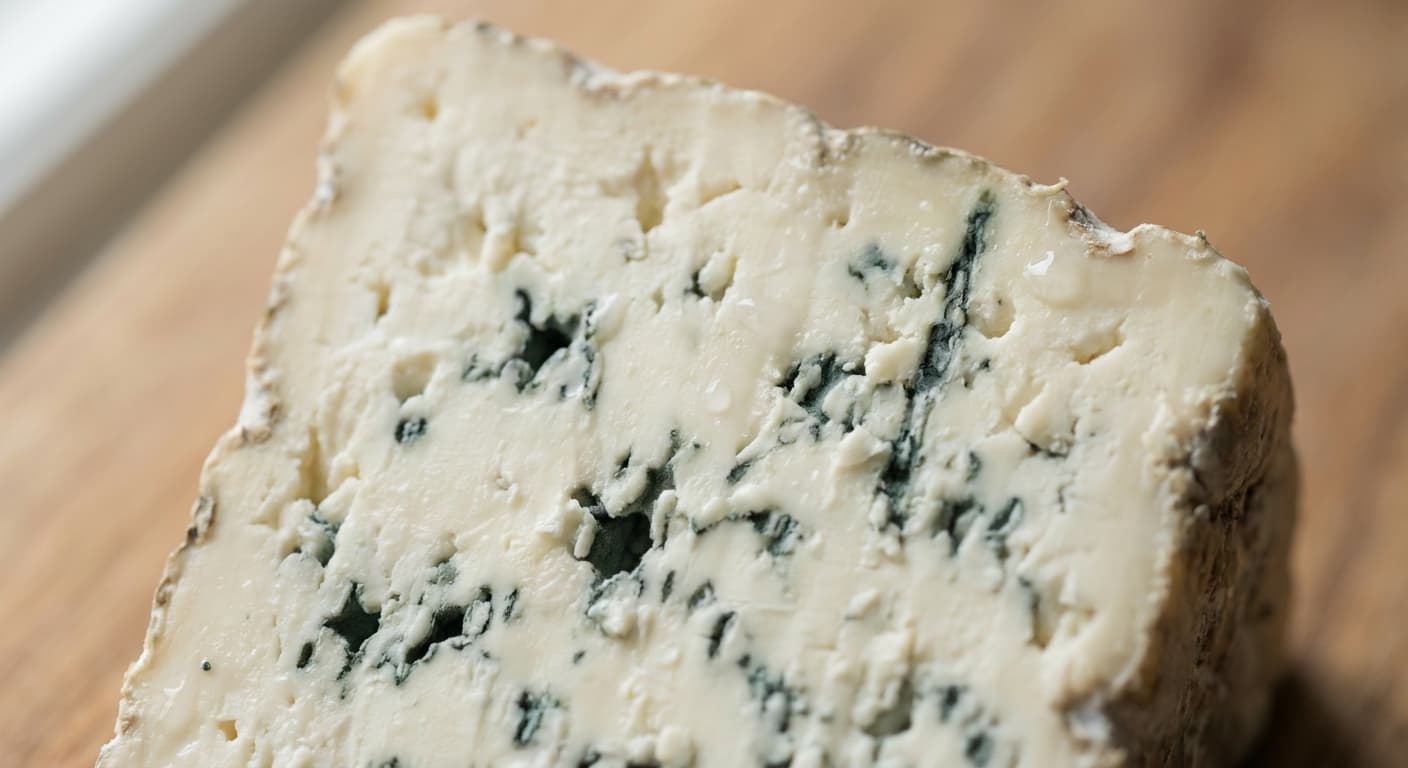
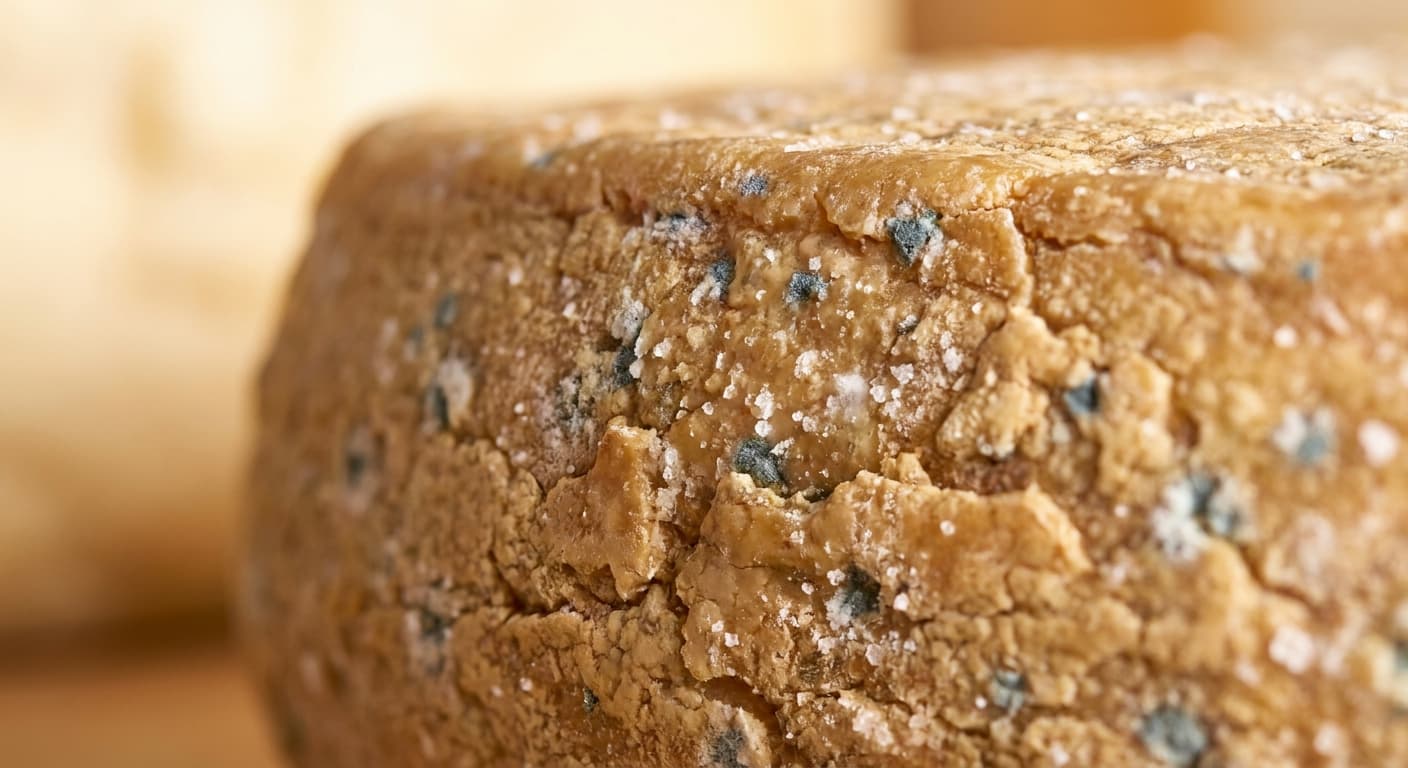
Affineurs don't just set conditions and leave; they intervene. Turning cheeses (once a day early, slowing to once a week later) prevents moisture pooling at the bottom and keeps shape even. Brushing removes unwanted surface moulds. Wiping with brine on washed-rind cheeses maintains the surface community. Oiling hard cheese rinds with olive oil prevents mite infestation and excess drying. Piercing a blue with needles opens air channels. Each intervention is a small, continuous decision.
The affineur's log
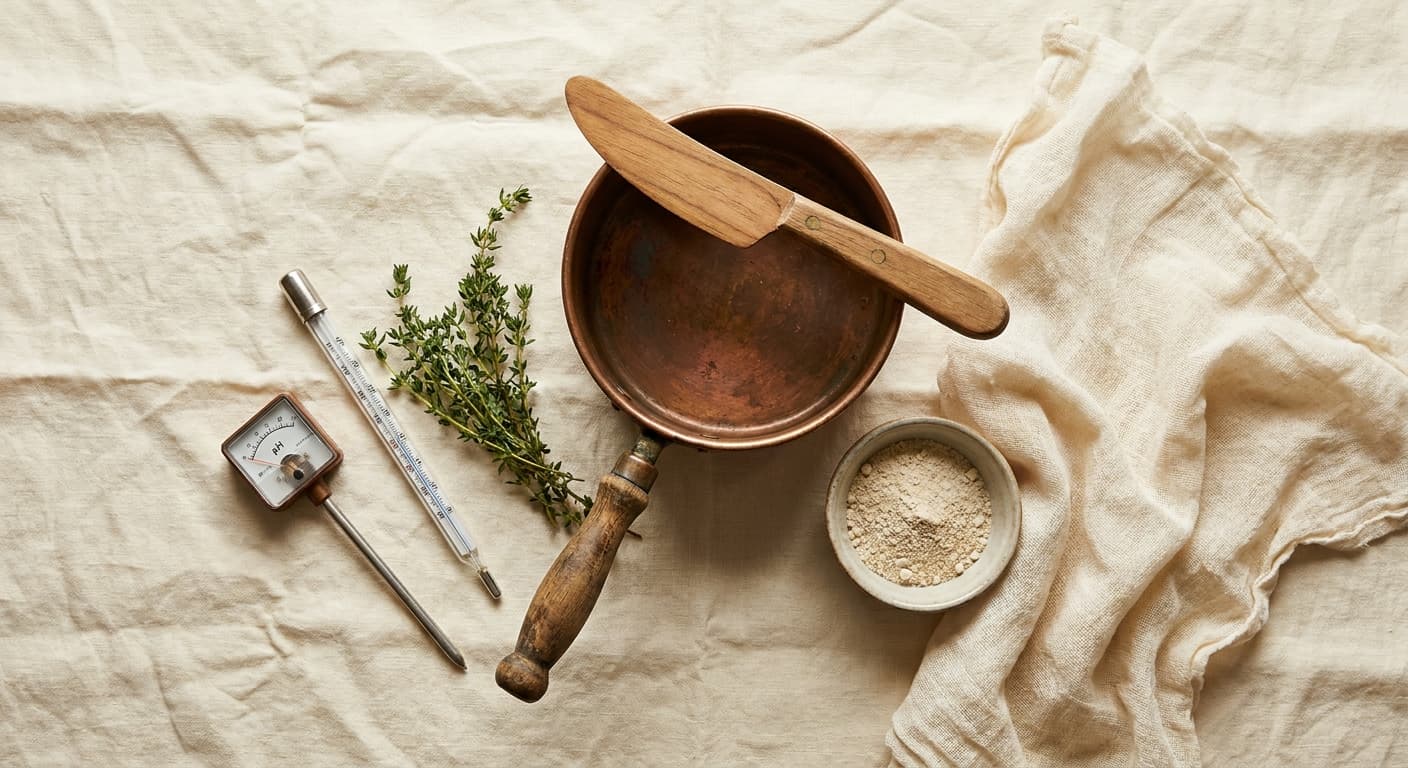
Keep a notebook. For each wheel: make date, style, weight at entry, temperature and humidity targets, dates and details of every intervention (turning, washing, brushing), observations on rind colour and texture, weight checks weekly or fortnightly. The log becomes an institutional memory — you'll notice patterns across batches, seasons, and years that no single make can show you. Affinage is especially rewarding to learn because the feedback loop is long and patterns only emerge across time.
When is it ready?
Ready is not a date; it's a state. A young Brie at 3 weeks is underripe; at 5 weeks it's perfect; at 6 it's overripe. An Alpine at 6 months is clean and simple; at 12 months it's complex; at 24 months it's crystalline and sharp. Learn each style's developmental arc, taste through the stages, and pick the moment you want. Selling cheese at your personal peak is one of the most important decisions in the craft — and one of the most underdeveloped skills.
Defects the affineur fixes and defects they can't
- Fixable: surface moulds of the wrong colour (brush or wipe); dry patches (raise humidity); uneven rind colour (turn more often).
- Manageable: slow rind development (raise temperature slightly; inoculate); excessive acidity (accept, or eat younger).
- Not fixable: internal crevices or off-flavours from make problems; 'late blowing' from Clostridium; serious contamination.
Frequently asked
Do I really need a separate cheese cave?+
For fresh and simple cheeses, a regular fridge works. For anything aged beyond a few weeks, yes — a dedicated space at 10–14°C with controlled humidity matters enormously. A converted wine fridge costs under £200 and transforms what's possible.
Can I pause aging?+
Essentially. Moving a cheese to normal fridge temperatures (2–4°C) slows ripening to a crawl. This is useful for holding a cheese at an early-peak stage, though some flavour development freezes too. Eventually the cheese will dry out in a fridge, so it's a short-term solution.