- ✓Cheese safety relies on stacked hurdles — pH, water activity, salt, temperature, competition — not any single factor.
- ✓Listeria monocytogenes, Shiga-toxin E. coli, and Salmonella are the pathogens responsible for nearly all modern cheese recalls.
- ✓Raw garlic in low-acid fresh cheese is a genuine botulism hazard; over-salting can shut down starters and make cheese less safe, not more.
Hurdle technology: the honest mental model
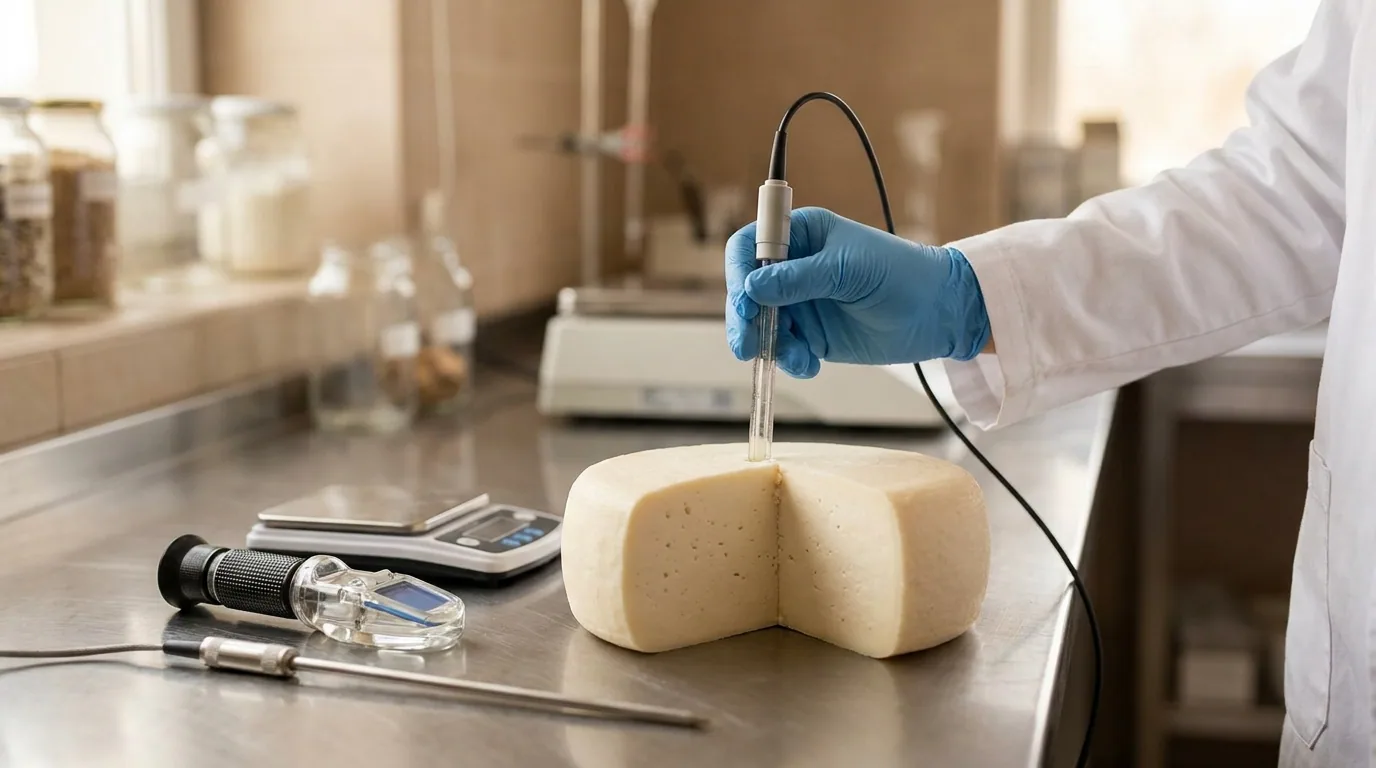
No single factor in cheese stops pathogens from growing. What stops them is the combination — the 'hurdles' a pathogen has to clear. A well-made cheese presents several: a pH below 5.2 that most pathogens struggle with, a water activity low enough to suppress growth, salt in the moisture phase, a competing dense microbial community that outgrows newcomers, and a storage temperature that slows everything. Raise any one factor — pH rises, aw rises, salt drops — and the remaining hurdles may not be enough on their own. Safe cheesemaking is system design, not checklist compliance.
The pathogens that actually cause recalls
Listeria monocytogenes is the dominant pathogen in cheese recalls, especially in soft and washed-rind cheeses. It grows slowly but stubbornly at refrigeration temperatures, likes moist high-pH surfaces, and is environmentally tenacious — it lives in drains, on shelving, and in aging caves, not just in milk. Shiga-toxin-producing E. coli (STEC, including O157:H7) is the second big concern, especially in raw-milk cheese; the infectious dose is low and the consequences of infection can be severe. Salmonella and pathogenic E. coli generally are typical milk-borne risks that pasteurisation addresses directly; they appear in cheese when pasteurisation fails or post-pasteurisation contamination occurs.
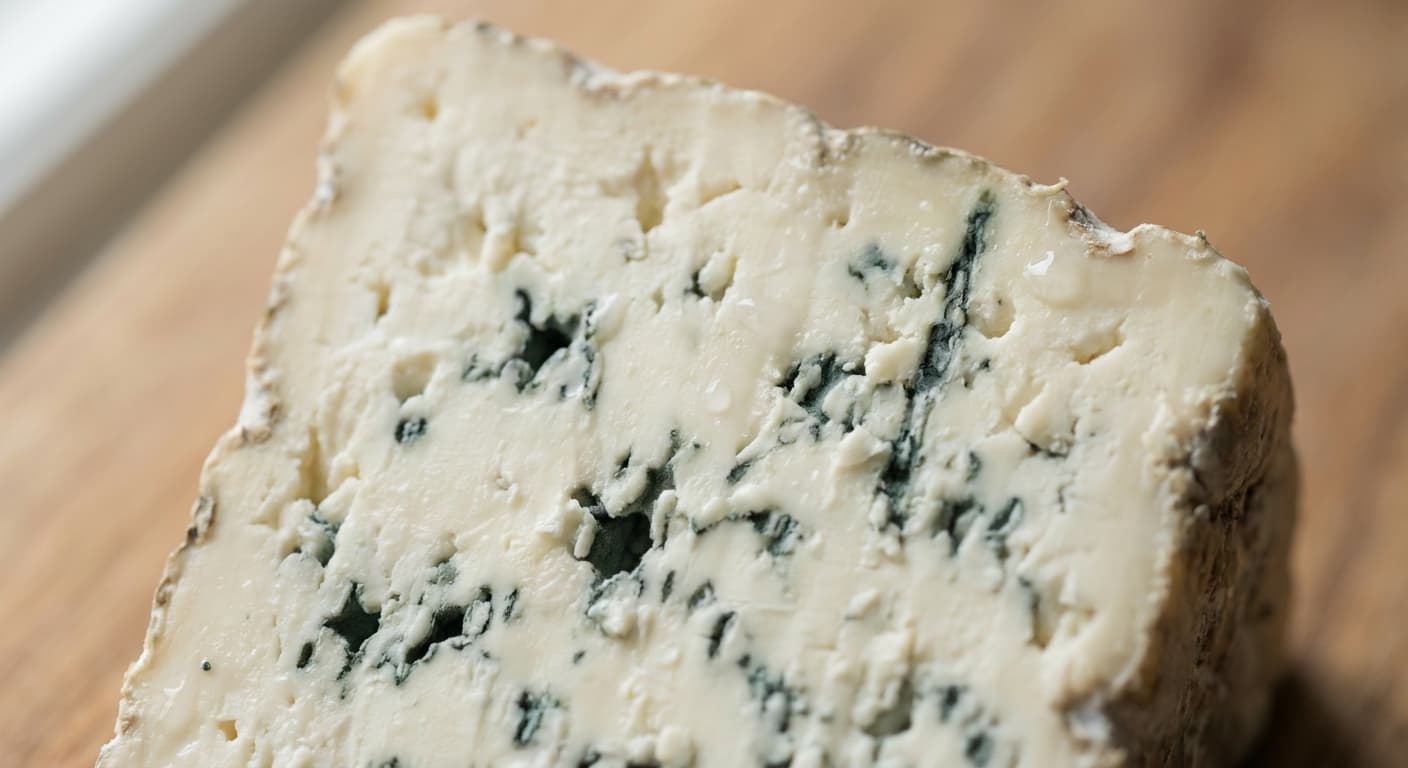
L. monocytogenes on washed rinds is a specific, well-documented problem. The alkaline, moist surface of a washed-rind cheese is an environment Listeria is evolved for. Washed-rind producers must have an explicit Listeria control programme — environmental swabbing, stringent handling, documented sanitation. 'We wash with brine and hope' is not a plan.
Raw milk: the honest picture
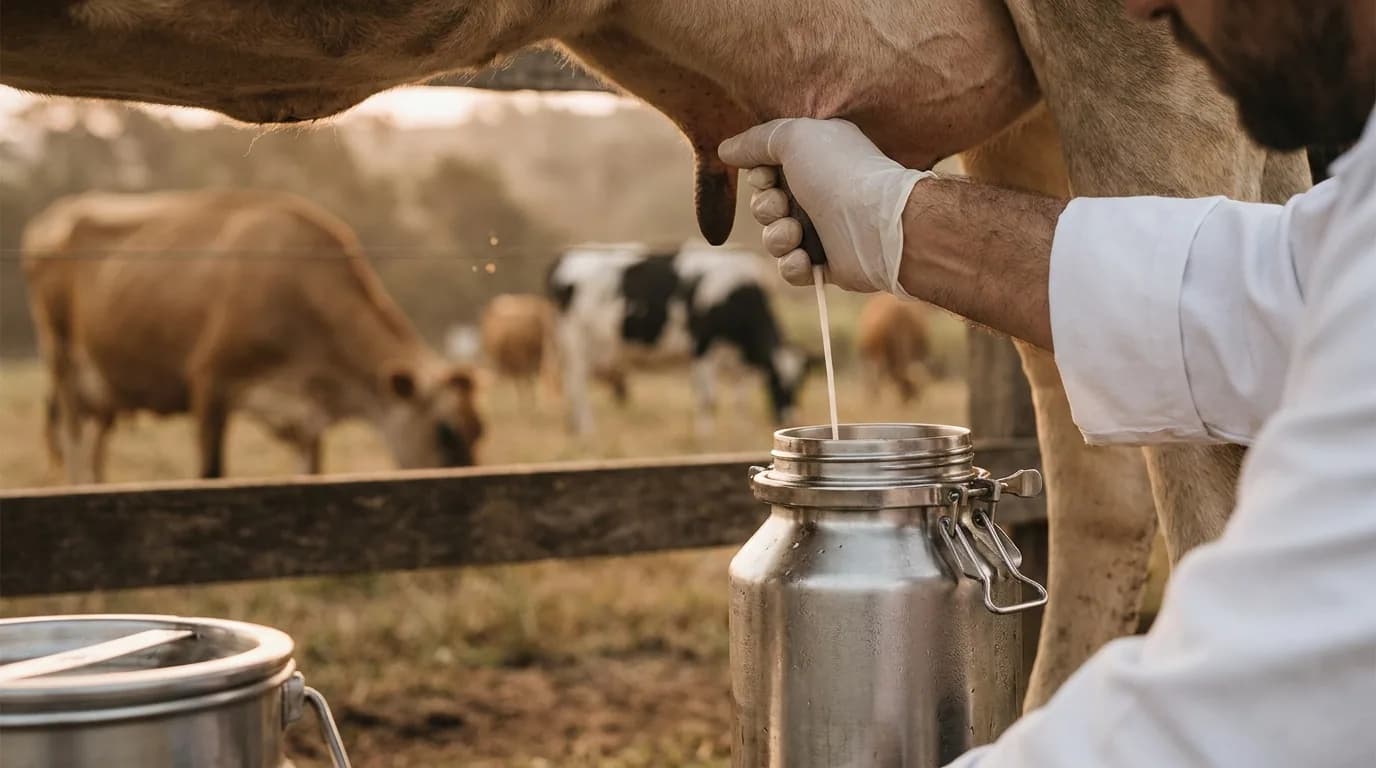
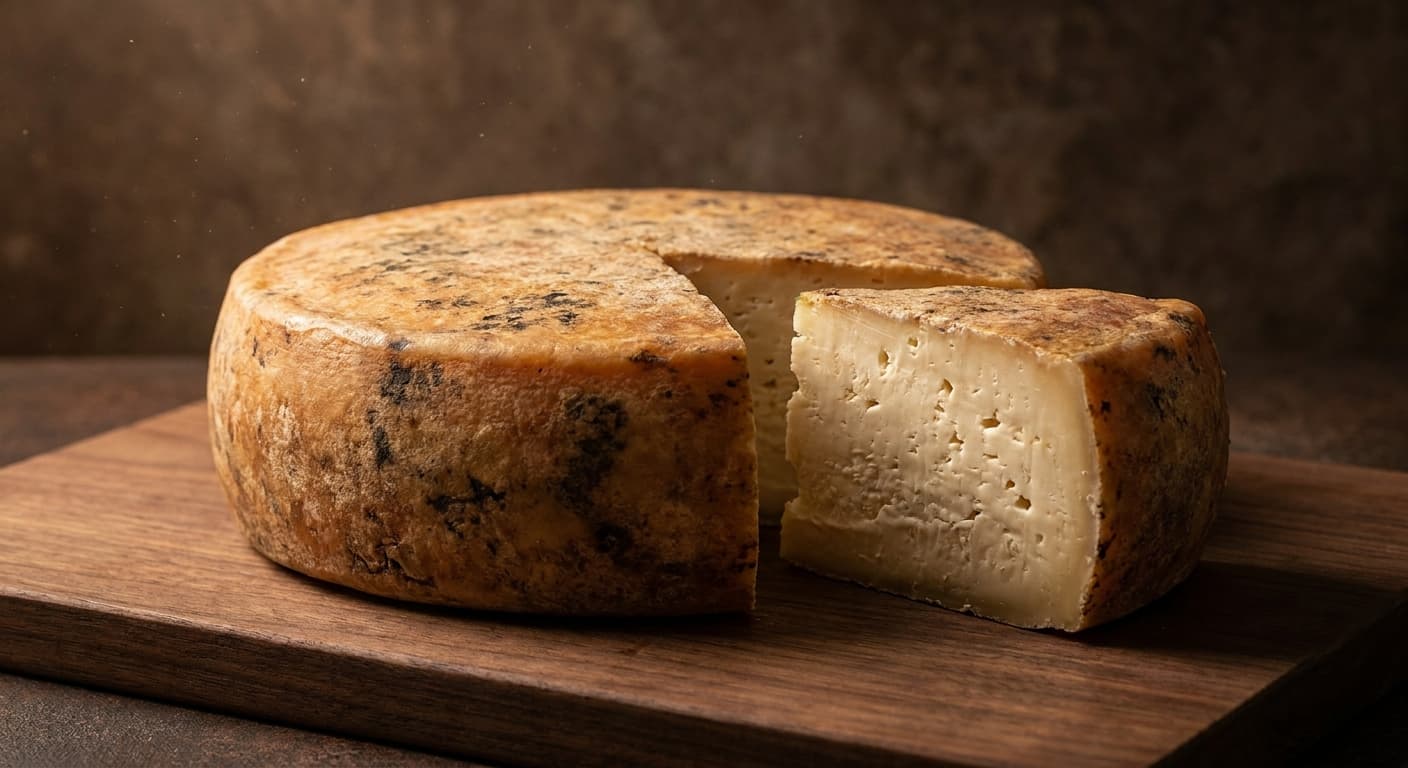
Raw milk carries a full native microbial community — which is what gives well-made raw-milk cheeses their complexity — and may carry pathogens that pasteurisation is designed to kill. In the US, the FDA's '60-day rule' (21 CFR 133.182) allows raw-milk cheese to be sold if aged at least 60 days at minimum 1.7°C, on the assumption that acidity, salt, and aging time reduce pathogen risk. This rule dates to 1949 and is not fully protective — documented outbreaks have involved cheeses older than 60 days, particularly with STEC, which can survive long aging. Raw-milk cheesemaking can be done safely at both artisanal and commercial scale, but it requires tighter milk hygiene, herd health monitoring, pH and aw targets, and often routine pathogen testing.
Raw garlic and the botulism hazard that is real
Clostridium botulinum is a soil-dwelling spore-forming bacterium. Its spores are common on raw fresh ingredients — garlic is the textbook example. The spores are harmless when eaten; the problem is that under the right conditions (anaerobic, pH above 4.6, moderate water activity, temperature > 3°C), the spores germinate and produce botulinum toxin — one of the most lethal substances known. Garlic-in-oil at room temperature is the classic vector; there have been documented outbreaks since the 1980s that led to mandatory acidification requirements for commercial garlic-in-oil in the US and Canada.
In cheese, the risk depends on the cheese. A low-moisture aged cheese at pH 5.0 with 2% salt and aw < 0.93 has hurdles that make C. botulinum growth improbable. A fresh high-moisture chèvre or quark at pH 5.0–5.3 with low salt and aw around 0.97 — with raw garlic pieces embedded, anaerobic pockets around each clove — is a genuinely uncertain environment. The botulism hazard is not theoretical here; it is the same hazard that mandated the garlic-in-oil rules.
Safer practices for garlic in cheese: (1) use dehydrated or roasted garlic, which reduces spore load and lowers moisture; (2) pre-acidify minced raw garlic in vinegar or citric acid to drop pH well below 4.6 before mixing; (3) avoid raw garlic in fresh, high-moisture, low-salt cheeses entirely. The flavour cost is minor; the safety margin is meaningful.
Salt: too much is a safety problem too
Salt is a major safety hurdle — but only if the starter has already done its work. Too much salt too early can inhibit lactic acid bacteria before they have acidified the curd sufficiently. An under-acidified cheese at pH 5.5 with high moisture and no protective microbial community is an open door for spoilage organisms and, in bad cases, pathogens. The textbook example is oversalted brine-brined fresh cheese that never acidifies enough post-brine because the starters were salt-shocked. Target salt content by style; most LAB tolerate around 2% salt in moisture but slow above 4% and are strongly inhibited above 6%.
The symmetric hazard — too little salt — is more obvious and well-known: insufficient salt raises water activity and loosens the protective hurdles. The less-obvious hazard is that salt is a dial, not a preservative knob you turn up without limit. Excessive salt can ruin the cheese in multiple ways simultaneously: flavour (unpalatable), texture (overly tight and dry), and microbiology (under-acidified, less safe).
Other add-ins worth thinking about
- Raw egg or raw seafood: never in cheese — no meaningful hurdles apply.
- Fresh herbs (raw): generally low microbial hazard but not zero; in high-moisture fresh cheeses, blanch or use dried.
- Raw honey: safe for adults, but famously unsafe for infants (Clostridium botulinum spores); relevant for fresh cheeses marketed to families.
- Fresh chilli, peppercorn, cumin, cranberry: low-hazard ingredients; biggest risk is residual moisture raising local aw. Dehydrated forms are safer.
- Ash coatings: traditional food-grade vegetable ash (activated charcoal) is microbially safe; it actually supports rind development by deacidifying the surface.
What a working safety discipline looks like
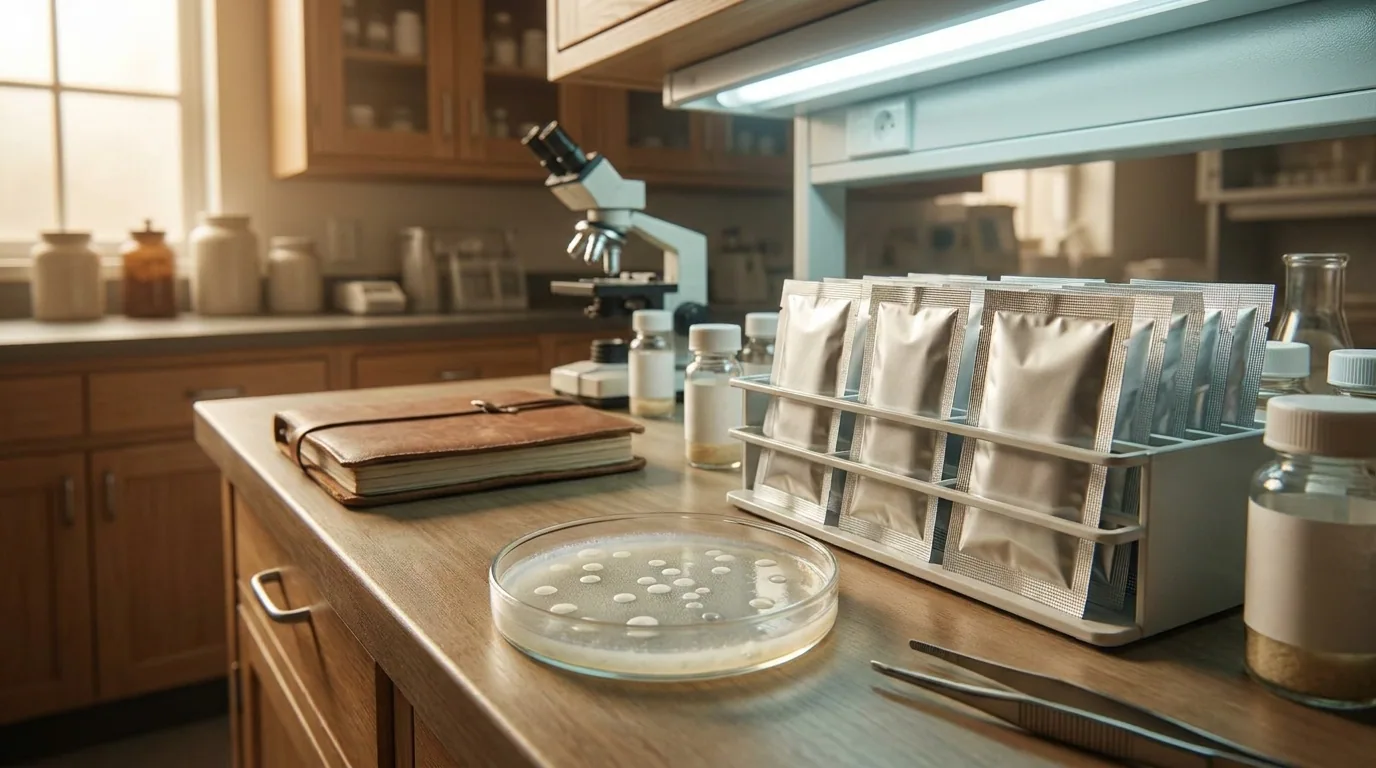
A commercial cheesemaker's safety programme is not paperwork. It is: tested milk with known SCC and pathogen screens, pH and aw targets at every production stage, environmental swabbing of aging rooms for Listeria, documented cleaning and sanitation, a validated kill step (pasteurisation or aging + acidity/aw), finished-product testing for pathogens in the categories at risk, and a traceability system that can recall a specific batch within 24 hours. A home cheesemaker making cheese for family doesn't need the paperwork but does need the mental model: which hurdles apply to my cheese, which pathogens care, and what am I actually defending against?
Frequently asked
Is raw-milk cheese safe to eat?+
Well-made, properly-aged, compliantly-regulated raw-milk cheeses from good dairies have an excellent safety record. Raw-milk cheeses made with poor milk hygiene, short aging, or inadequate acidification have caused serious outbreaks. 'Raw-milk' is not the risk label; 'poorly-made raw-milk' is. Pregnancy, immune compromise, and infancy are reasonable situations to avoid any raw-milk cheese regardless.
Can I put fresh garlic in a fresh chèvre?+
I wouldn't recommend it. The combination of pH above 4.6, anaerobic pockets around raw garlic, moderate water activity, and fridge storage is uncomfortably close to the botulism risk envelope. Use roasted, dehydrated, or acid-treated garlic instead. The flavour difference is much smaller than the safety difference.
Can over-salting actually cause food safety problems?+
Yes, paradoxically. Salt-shocked starters that don't acidify leave a high-pH cheese where spoilage microbes and occasionally pathogens can establish — the cheese tastes wrong and may be genuinely less safe than a properly-salted equivalent. Salt as a hurdle only works when the other hurdles (especially acidity) are also in place.