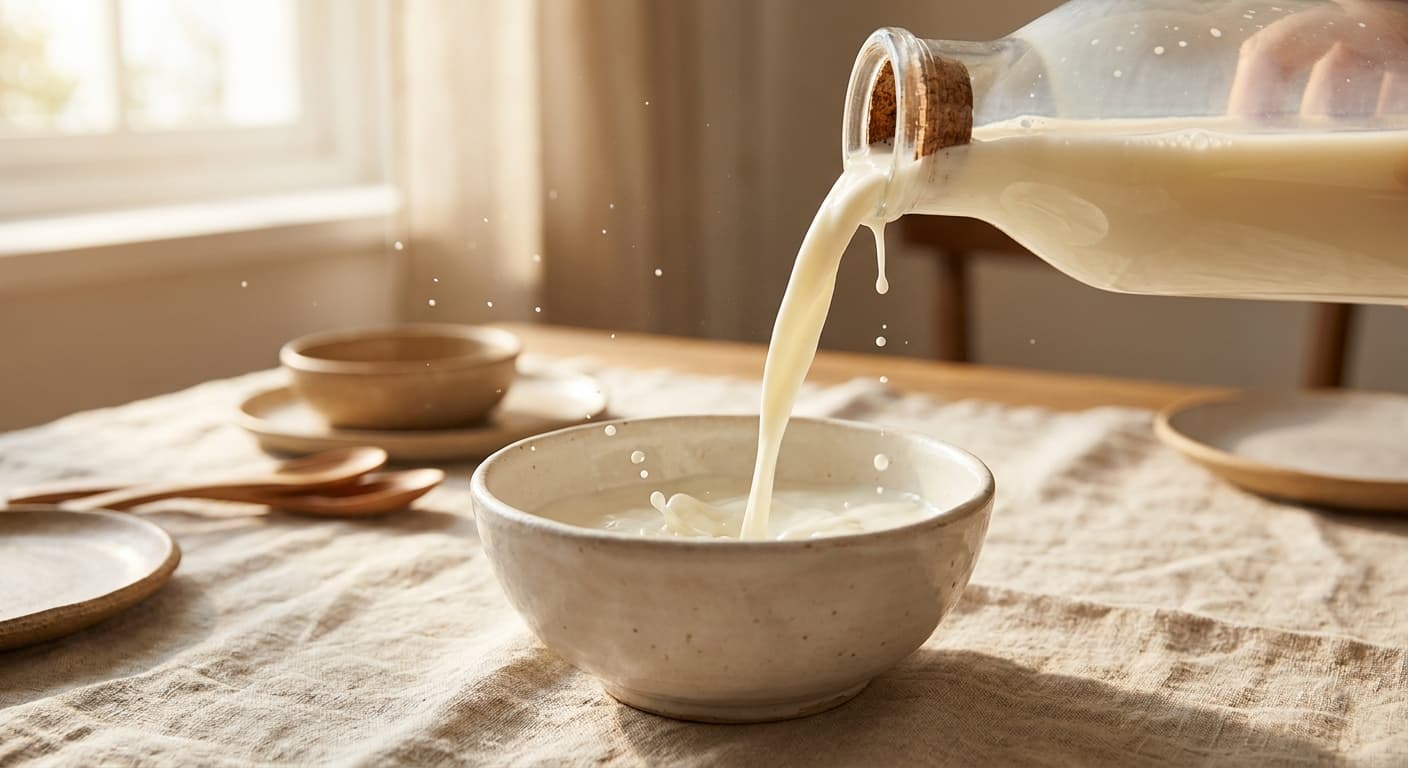
- ✓Pasture plant species shape fatty acid profiles and aromatics in milk.
- ✓Farm-specific microbiota in raw milk contribute distinctive flavour notes.
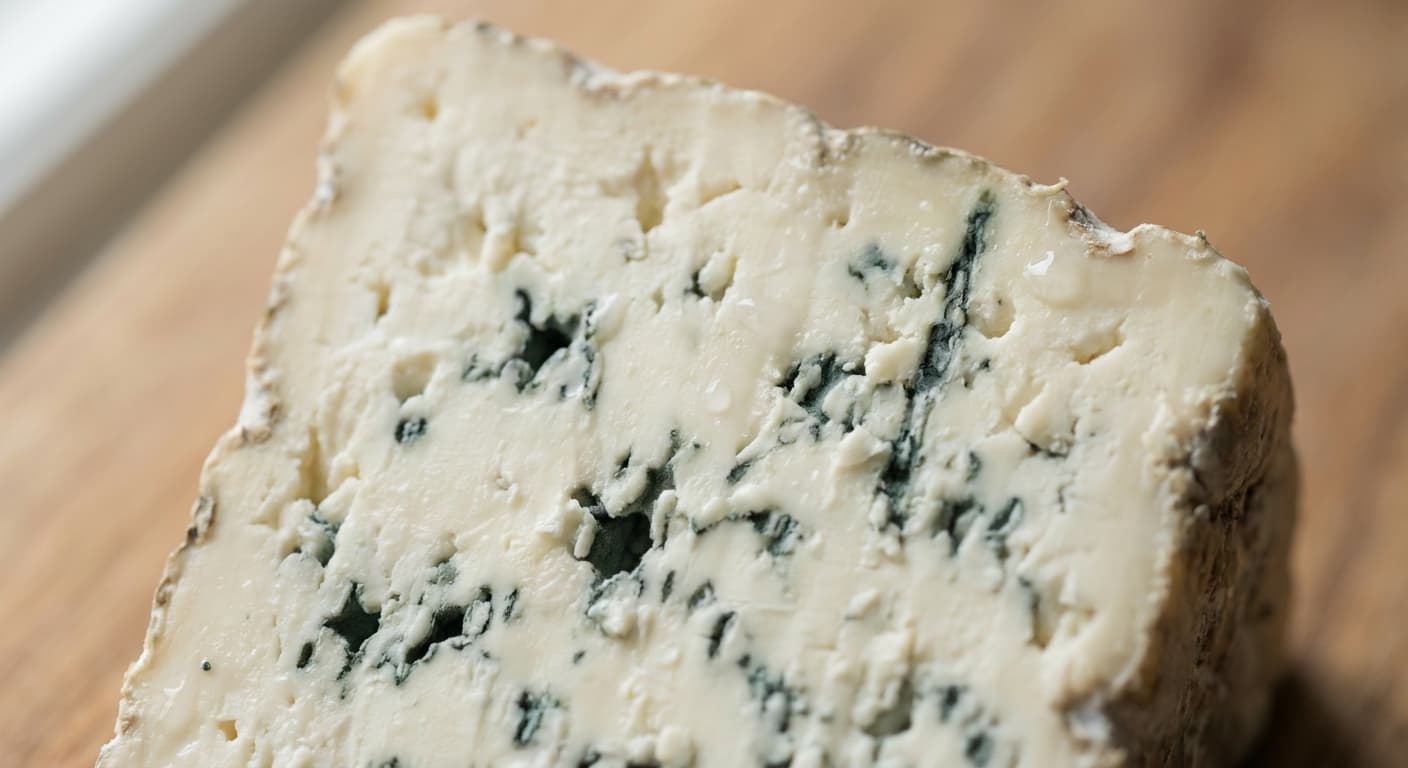
- ✓Aging environment — caves, cellars, or controlled rooms — builds on those starting materials.
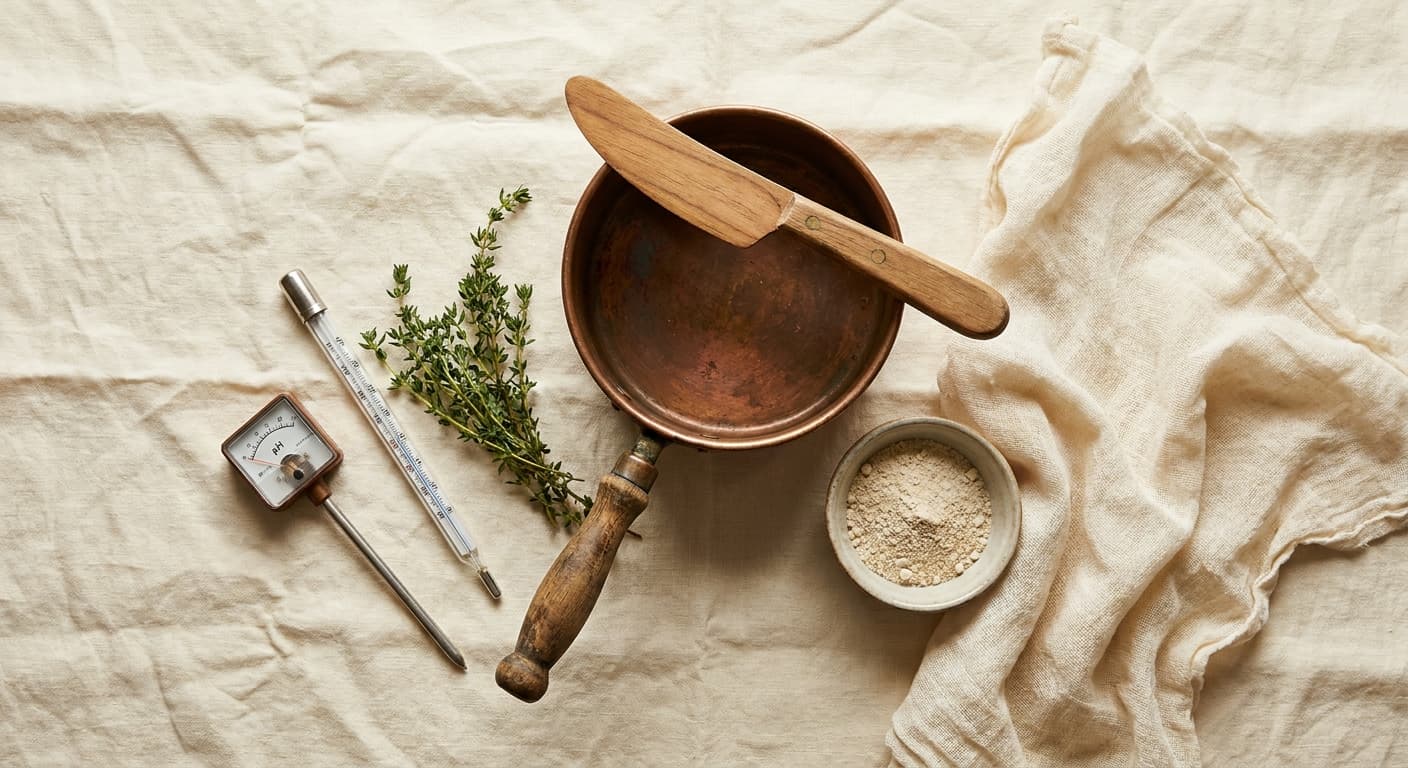
- ✓Tradition and craft are the fourth element — what people have learned to do with the first three.
The pasture effect
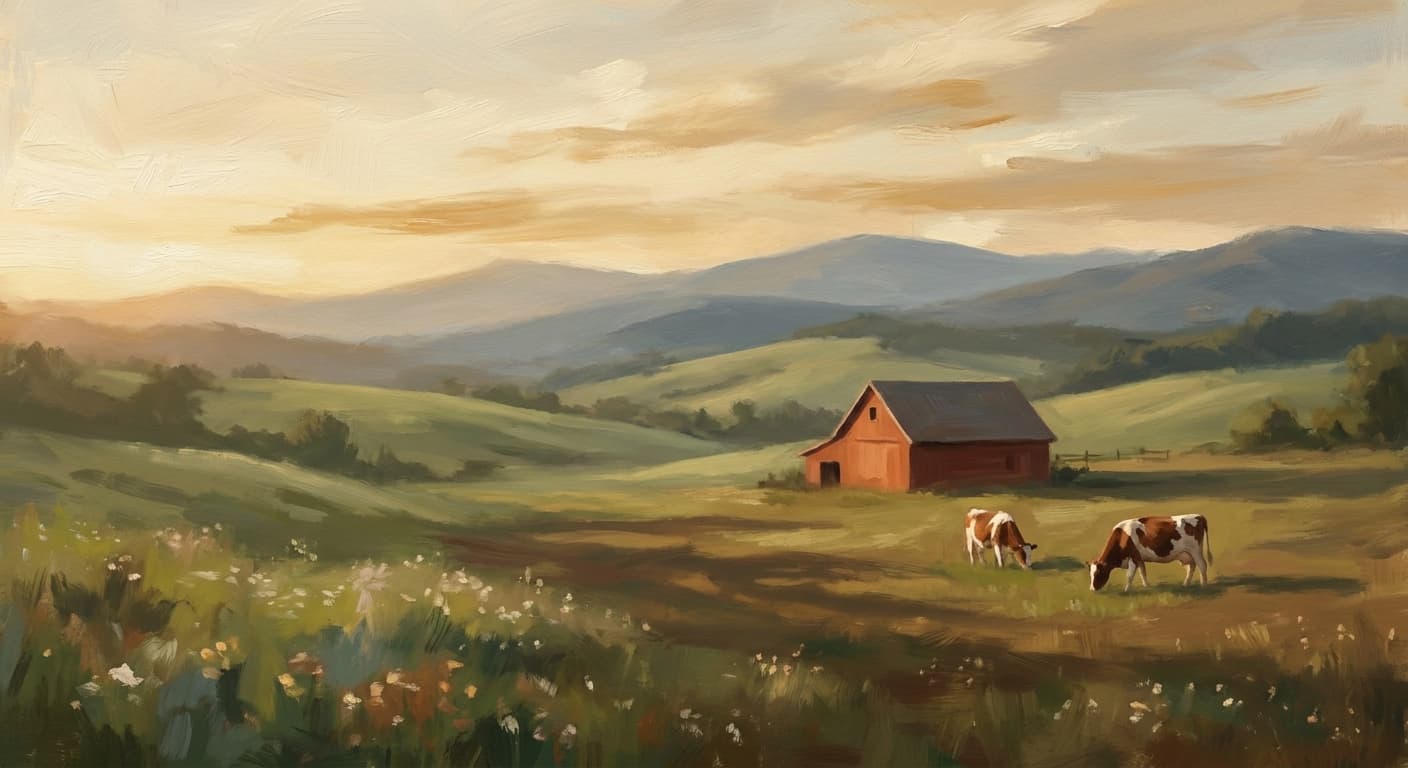
Alpine pasture milk is measurably different from lowland grass-fed milk, and both differ from grain-fed milk. Pastures rich in wildflowers, clovers, and herbs produce milk with higher conjugated linoleic acids, more unsaturated fats, and a more yellow colour from β-carotene. These differences carry into cheese as aromatic complexity — the 'wild flower' note in alpage cheeses isn't imagination; it's terpenoid compounds transferred from plant to milk to cheese.
The microbiota effect
Every farm has a unique microbial signature — in the soil, on the plants, on the animals, in the milk. When raw milk is used, that signature carries into cheese. Studies of traditional cheesemaking regions have identified strains of Lactococcus, Lactobacillus, and Propionibacterium that appear only in specific valleys or villages. These aren't invented; they're documented. Pasteurisation removes most of this signature, which is why raw-milk cheese tends to express terroir more visibly.
The cave effect
The aging environment is where terroir gets its most dramatic expression. Roquefort is legally aged only in the natural caves of Combalou, whose specific temperature and humidity — and their colony of P. roqueforti that has lived there for centuries — cannot be replicated industrially. Cabrales is aged in mountain caves whose airflow and temperature swings produce the specific pattern of mould development. These aren't arbitrary traditions; they're exploitations of natural conditions that have become irreplaceable.
The craft effect
The fourth component of terroir is human: accumulated generational knowledge of how to make a particular cheese in a particular place. Which curd size, which pH to hit, which day to wash, how long to age — decisions shaped by centuries of practice in response to local milk, local climate, local conditions. This is why AOP and PDO designations protect recipe details as well as geography. They're preserving a craft as much as a place.
Terroir for the home cheesemaker
You can express terroir in your own small way. Source milk locally and ideally from a single farm — the milk you use carries the farm's signature. Keep your aging space consistent over years, and a house microbiota will establish itself. Record which makes in which seasons produced what flavour — you'll start to track how your local conditions express in your cheese. This is how small farms develop their signature cheese over time.
Frequently asked
Is terroir real or marketing?+
Both, in different hands. The underlying phenomena — pasture effects on milk, microbial effects from environment, cave effects on ripening — are well-documented. The marketing mystique built on top varies in honesty. A specific mountain's cheese really is different; a vague 'artisan' label may or may not be.
Can I reproduce a specific region's cheese outside that region?+
You can get closer than many purists claim. Sourcing similar milk, using appropriate cultures, and recreating aging conditions gets you a recognisable version. What you won't get is the exact expression — some elements of terroir genuinely can't be moved. That's a feature, not a bug.